UK information centre’s remit remains unclear despite assurance on dissent
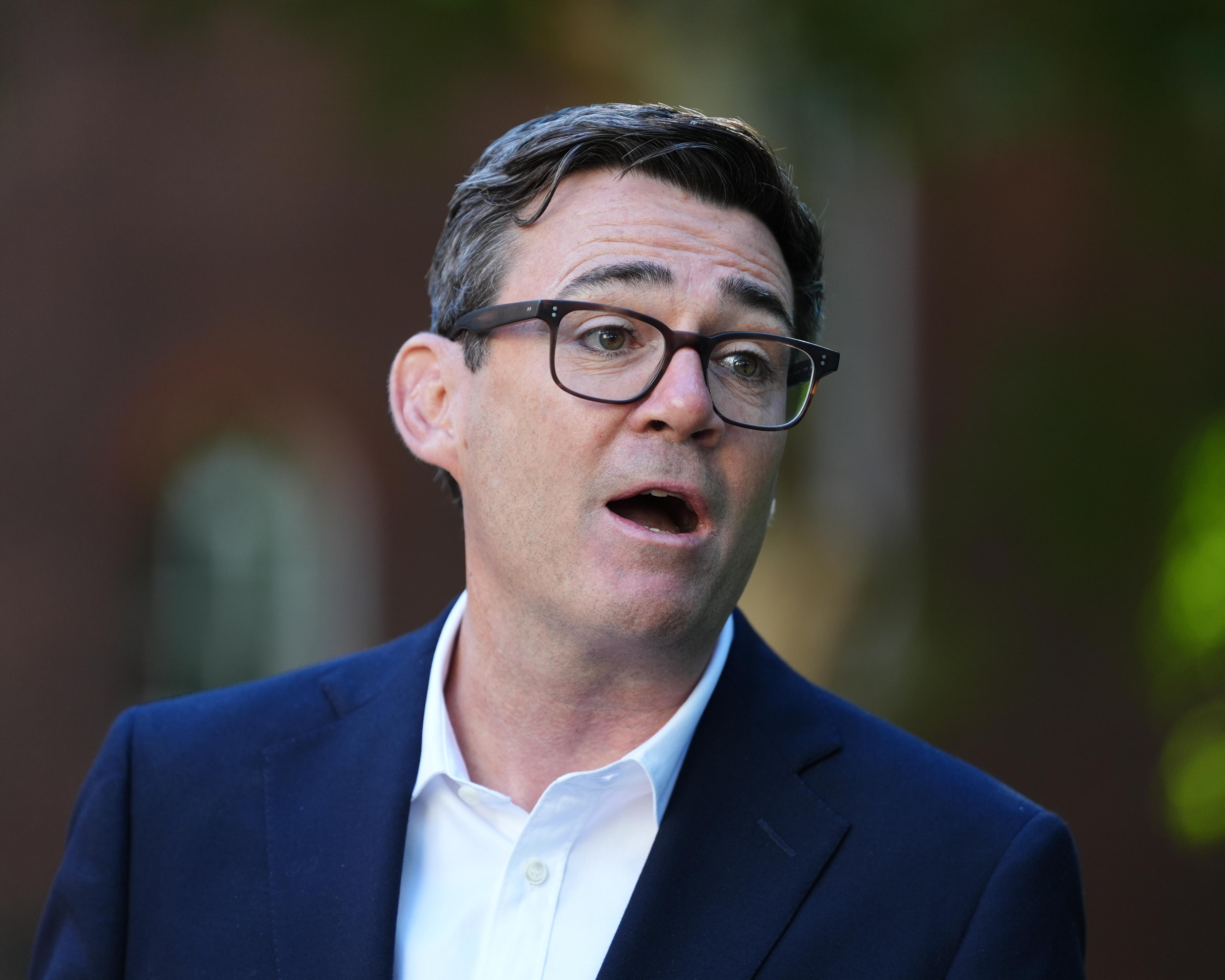
Andy Burnham announced the National Centre for Information Defence at the United Nations. Wes Streeting said it would not police criticism of the government, but its powers and safeguards were not detailed.
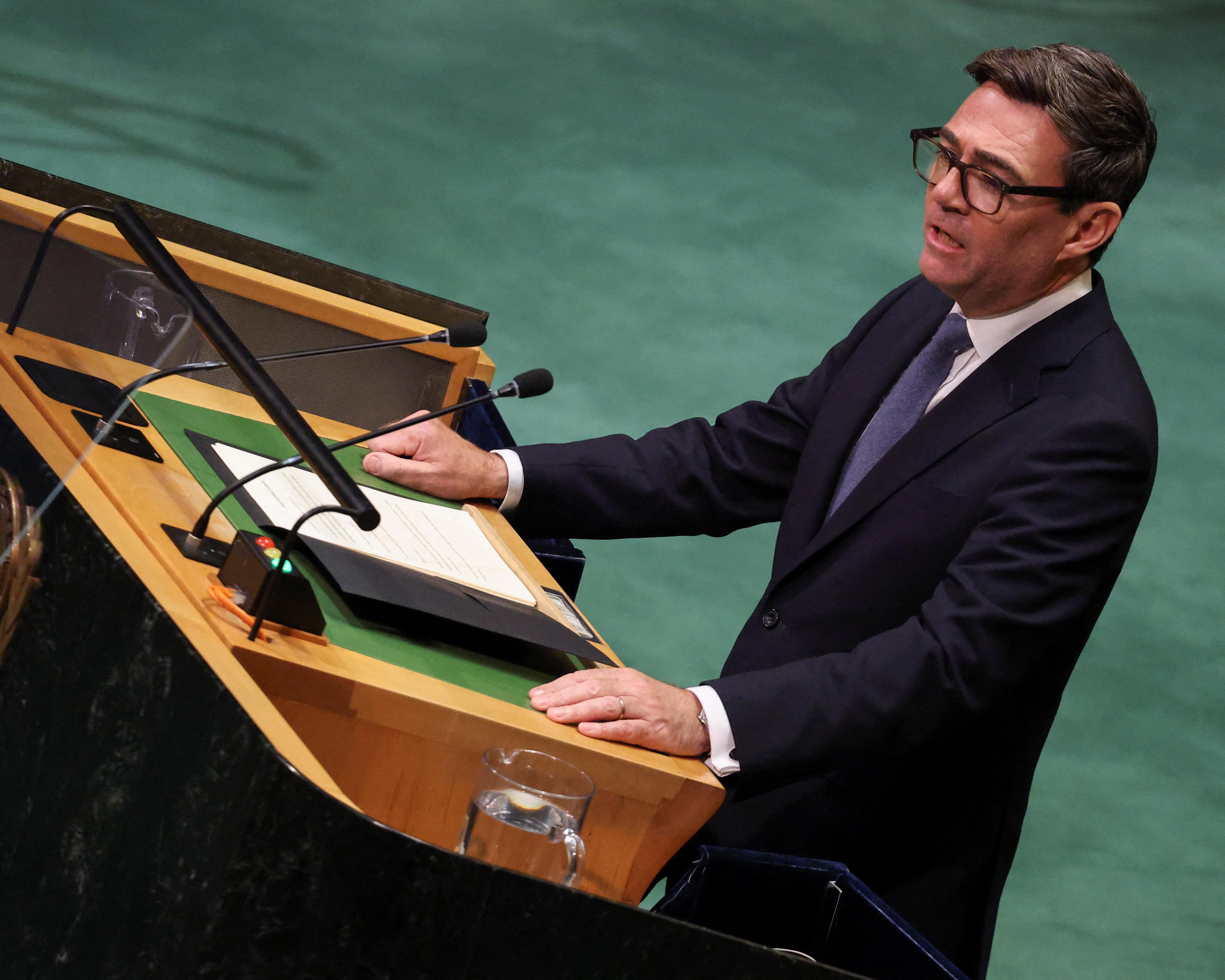
Andy Burnham announced a National Centre for Information Defence at the United Nations, saying it was needed to counter hostile actors targeting the UK’s information environment.
Burnham alleged that Russian agencies had used forged branding for 28 British organisations, including universities and the BBC, and had tried to interfere with the 2019 general election. The report provides no independent verification of those claims.
Defence Secretary Wes Streeting told GB News the centre would not police domestic political dissent. He said people must be free to disagree with the government, challenge its policies and criticise its actions.
Streeting described those freedoms as part of Britain’s democracy, including the ability to choose a different government. His assurance states the government’s position, but does not explain how the centre will operate.
The announcement did not set out the centre’s remit, powers, oversight or practical safeguards.