London bus speeds slide as road space and service reliability face pressure
Guardian analysis found slower journeys on most London bus routes over the past decade, while ridership and network mileage have also fallen.
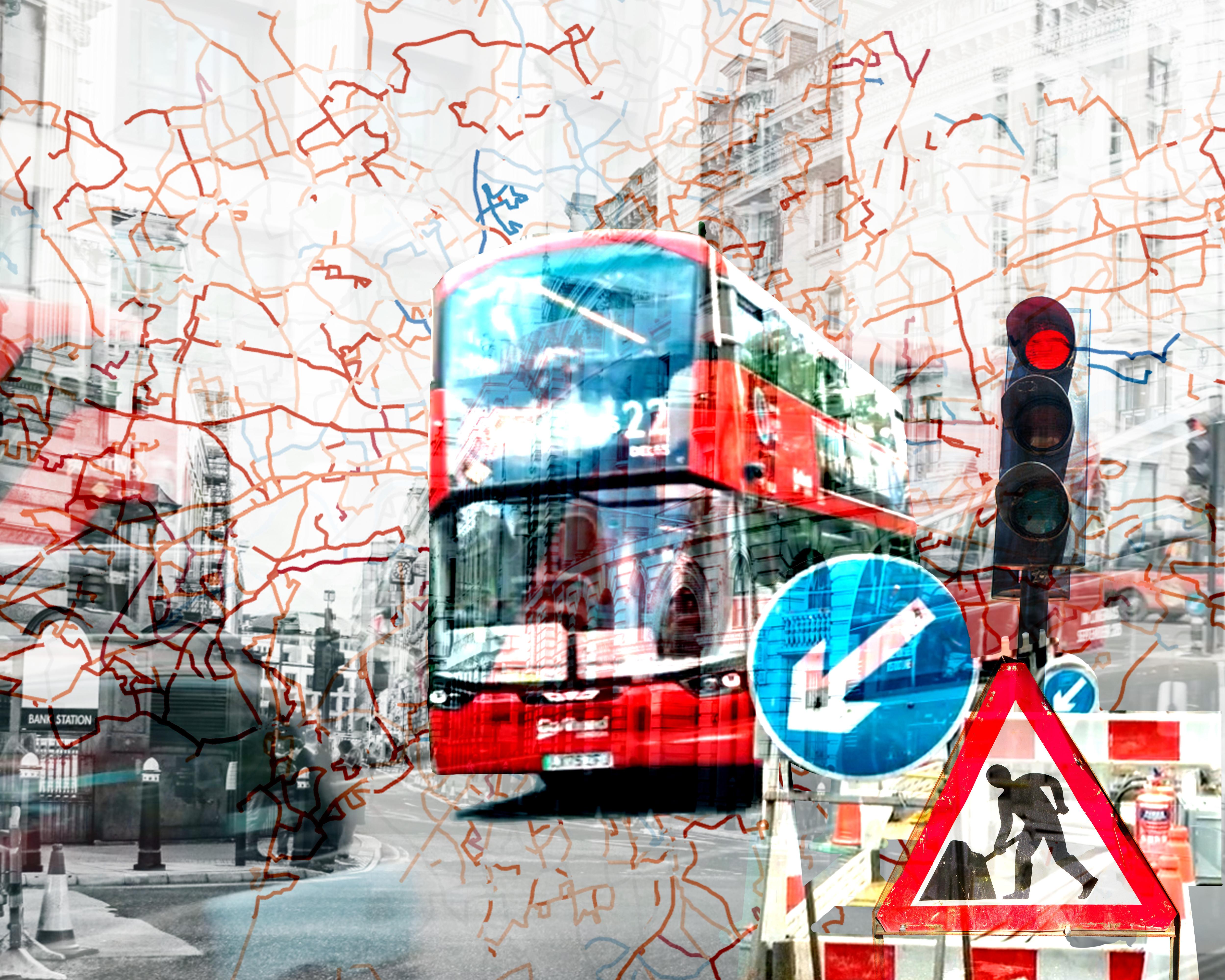
London’s bus network has slowed across most routes, with growing pressure on road space and roadworks cited by officials and operators as major constraints. The Guardian’s analysis of Transport for London data found 578 of 700 routes had lower average speeds in 2025 than in 2015.
Across the network, buses averaged 9.18mph in 2025–26, the lowest in comparable records since 2013–14. On high-frequency routes, passengers waited 22 per cent longer than scheduled, up from 18 per cent in 2018.
Bus journeys fell to 1.8 billion in 2024, compared with more than two billion annually between 2010 and 2019. TfL buses also covered about 460 million kilometres a year over the past three years, down from an average of 487 million kilometres between 2010 and 2019.
Experts warn that slower, less reliable services may push passengers away and prompt further cuts to frequencies or routes. The report links these trends but does not establish that slower speeds alone caused falling ridership. Buses are London’s most-used public transport mode and are particularly important to people on lower incomes.
TfL and operators point to congestion and roadworks, with more than 1,000 roadworks obstructing London streets on an average day, according to the report. TfL also says travel patterns have shifted since Covid, including more home working and online shopping deliveries.
London’s slowdown sits within a wider trend: a 2026 Transport Strategy Centre study at Imperial College London found persistent bus-speed declines across 15 networks in Europe, Asia and North America. The study describes growing traffic and reduced road space for buses as common pressures, while causes vary between cities.