Uber withdraws from Nigeria and Uganda, leaving drivers facing uncertainty
Uber’s immediate exit from two African markets will force drivers and riders to adjust as operating costs and inflation squeeze the sector.
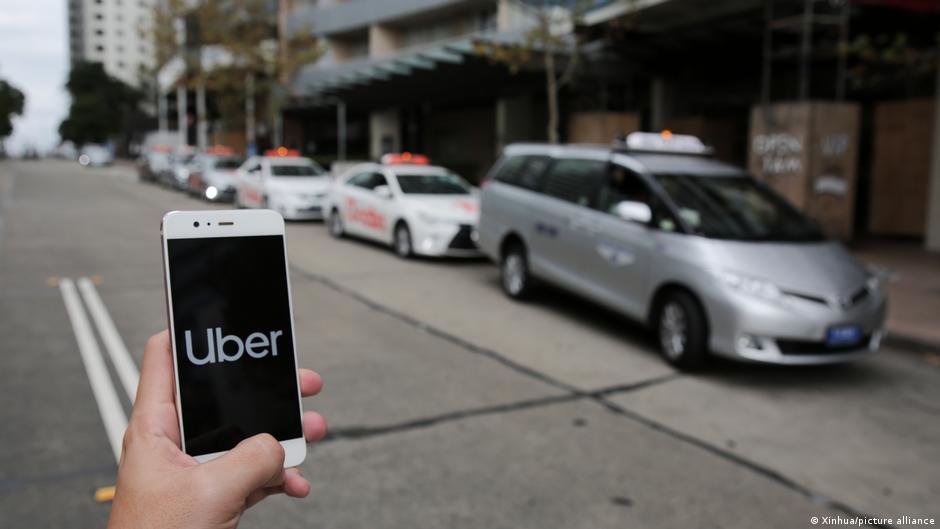
Uber has ended its operations in Nigeria and Uganda with immediate effect, closing two markets it had spent years developing. The company said the decision was limited to the two countries and that it would support drivers, riders and local staff during the transition.
The withdrawal leaves drivers facing uncertainty as fuel, maintenance, insurance and other costs rise. Drivers told Deutsche Welle that commissions, inflation and currency pressures had already reduced their earnings.
Abbas Olamide, an Uber driver in Abuja, said a 30,000 naira airport trip could incur a 6,000 naira commission before airport fees and parking costs were paid. Samuel Olatunji, a driver in Lagos, said he would need to join other platforms to maintain a steady income, but expected his take-home pay to fall.
Uber did not provide a detailed explanation for its decision. The company’s exit comes after it withdrew from Ivory Coast and Tanzania in the previous year and reduced its global workforce by 10 per cent.
Customers and drivers are expected to consider alternatives including Bolt, inDrive and SafeBoda. Ikemesit Effiong of Lagos-based SBM Intelligence said Nigeria’s ride-hailing market was worth about US$450 million annually, but argued that rising costs and a weaker naira had made the business model increasingly difficult to sustain.
Uber remains operational in Egypt, Ghana, Kenya and South Africa. The report does not establish whether the company will leave other African markets, alter its pricing or produce wider effects for competitors.