Morocco election puts economic pressures at centre of campaign
Voters are choosing 395 lawmakers amid concerns about prices, unemployment and inequality. A summer migration surge to Ceuta strained ties with Spain but was not a central campaign issue.
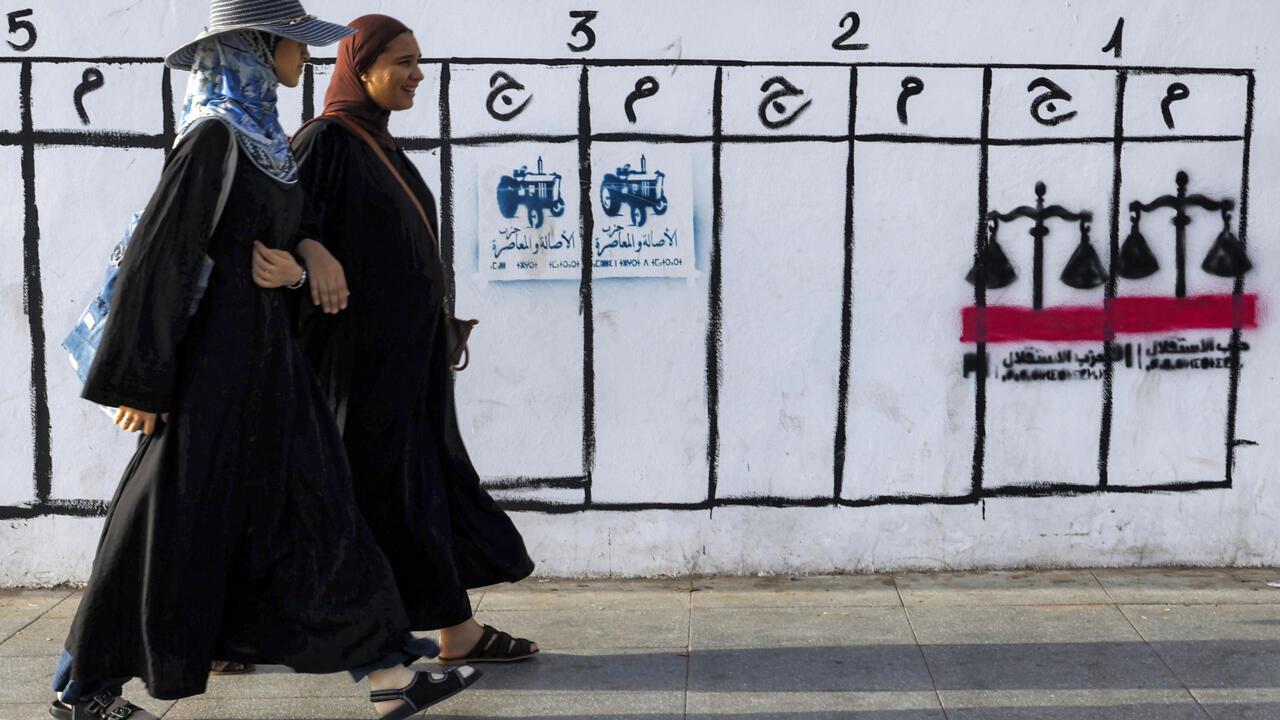
Nearly 16 million people have registered to vote in Morocco’s parliamentary election, which will fill 395 seats in the House of Representatives. The campaign has centred on the cost of living, employment and inequality, alongside public distrust of politicians.
Youth participation is a key test. The source reports that only 4 per cent of registered voters are aged 18 to 24. Polling was scheduled to run from 8am to 7pm GMT, with preliminary results expected later that night; results and turnout were not yet reported.
The governing National Rally of Independents (RNI) is among the parties observers consider favourites, though electoral law prohibits opinion polls. Its leader, Prime Minister Aziz Akhannouch, has stepped down as party head and would be excluded from leading the next government if the RNI wins the most seats.
Under Morocco’s system, the king appoints the prime minister from the party with the largest number of seats. The premier forms a government for a five-year term, while the monarch retains control of major policy decisions.
The vote follows a summer surge of mainly young Moroccan migrants to the Spanish enclave of Ceuta, which heightened tensions between Rabat and Madrid. France 24 reports that migration was not a central campaign issue, as parties focused on pledges to improve living standards.