Uber stakes claim in autonomous logistics with Zipline investment and drone rollout
Strategic partnership marks shift from internal development to third-party alliances as Uber Eats prepares for airborne expansion in US markets.
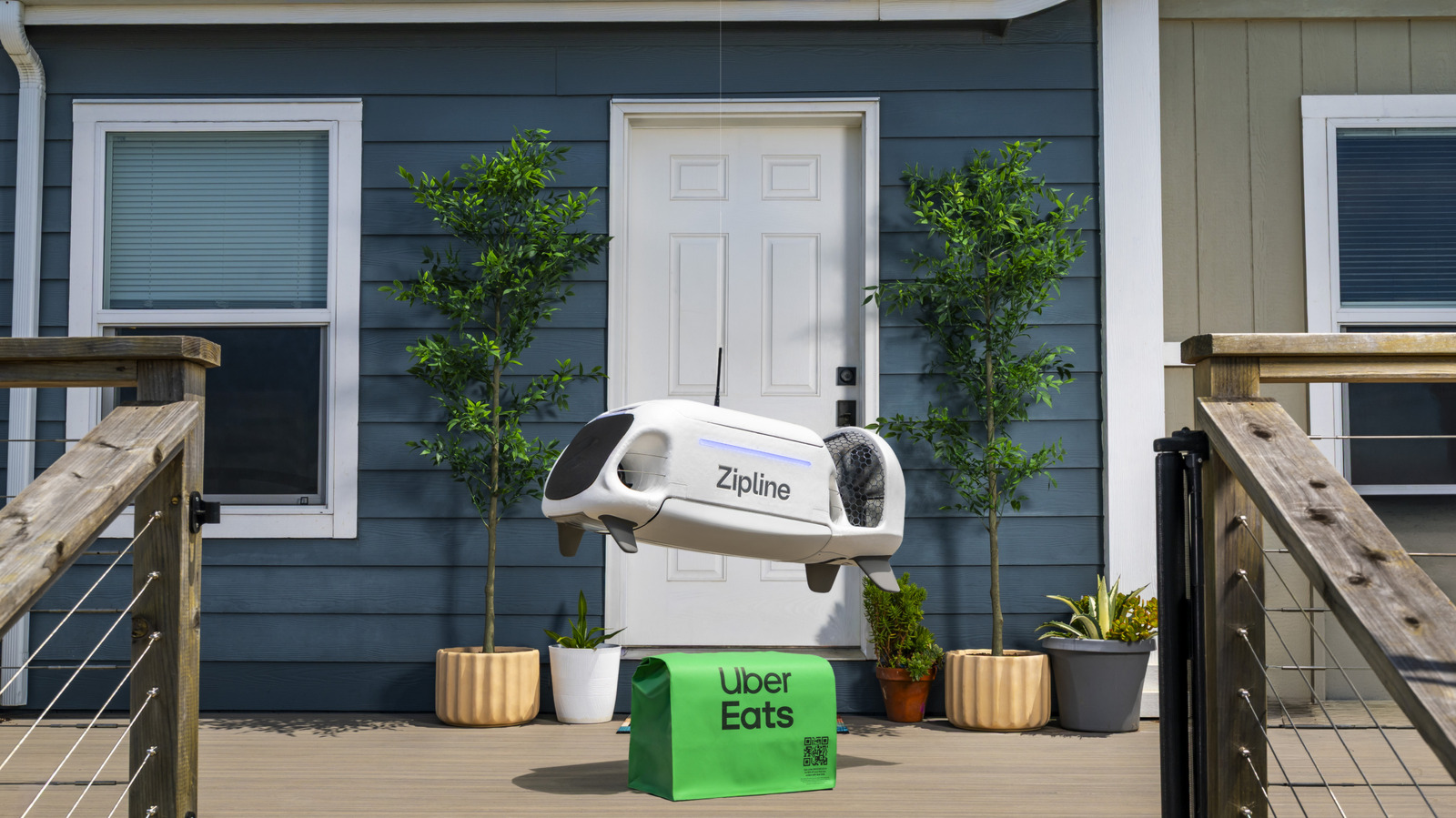
Uber has entered a strategic partnership with drone delivery specialist Zipline, marking a significant pivot in the company’s logistics strategy. The collaboration will see Zipline’s autonomous aircraft begin fulfilling Uber Eats orders later this year, initially launching in the company’s existing US markets before expanding into dozens of additional cities.
The first deployments are scheduled to commence in Pea Ridge, Arkansas, and the Dallas-Fort Worth metro area. Following this initial rollout, the companies plan to scale operations across the United States, with a stated ambition to achieve one million daily drone deliveries by the end of 2029.
As part of the agreement, Uber has made a strategic investment in the California-based firm. While the companies confirmed the financial backing, specific details regarding the valuation or investment amount were not disclosed in the press release.
This move represents a recalibration of Uber’s aerial ambitions. The ride-hailing giant previously operated its own aerial ride-sharing service, Uber Elevate, and the Uber Autonomous Technologies Group, but sold off these internal programs to focus on external partnerships. Uber has also previously tested drone delivery concepts through its former Elevate division and made a minor investment in Israeli startup Flytrex late last year.
Zipline brings established operational experience to the alliance, having completed more than 2.7 million deliveries to date. The firm has previously partnered with major retailers such as Walmart and Chipotle for food and retail deliveries, operating drone services in Texas prior to this expansion.
The partnership places Uber in direct competition with other logistics players in the autonomous delivery space. DoorDash and Wing, who launched a drone delivery partnership in 2022, recently expanded their service footprint to the metro Atlanta area, highlighting the intensifying race for market share in aerial logistics.
Beyond drone deliveries, Uber continues to diversify its autonomous capabilities through other alliances. The company has partnered with Lucid and Momenta to offer robotaxis for autonomous ride-hailing services, signalling a broader commitment to third-party technology integration across its transport and delivery networks.