Uber backs Zipline in bid for one million daily drone deliveries by 2029
Uber Eats will integrate Zipline’s autonomous drones into its platform by year-end, targeting a five-to-10-minute delivery window in a push to capture the quick-commerce market.
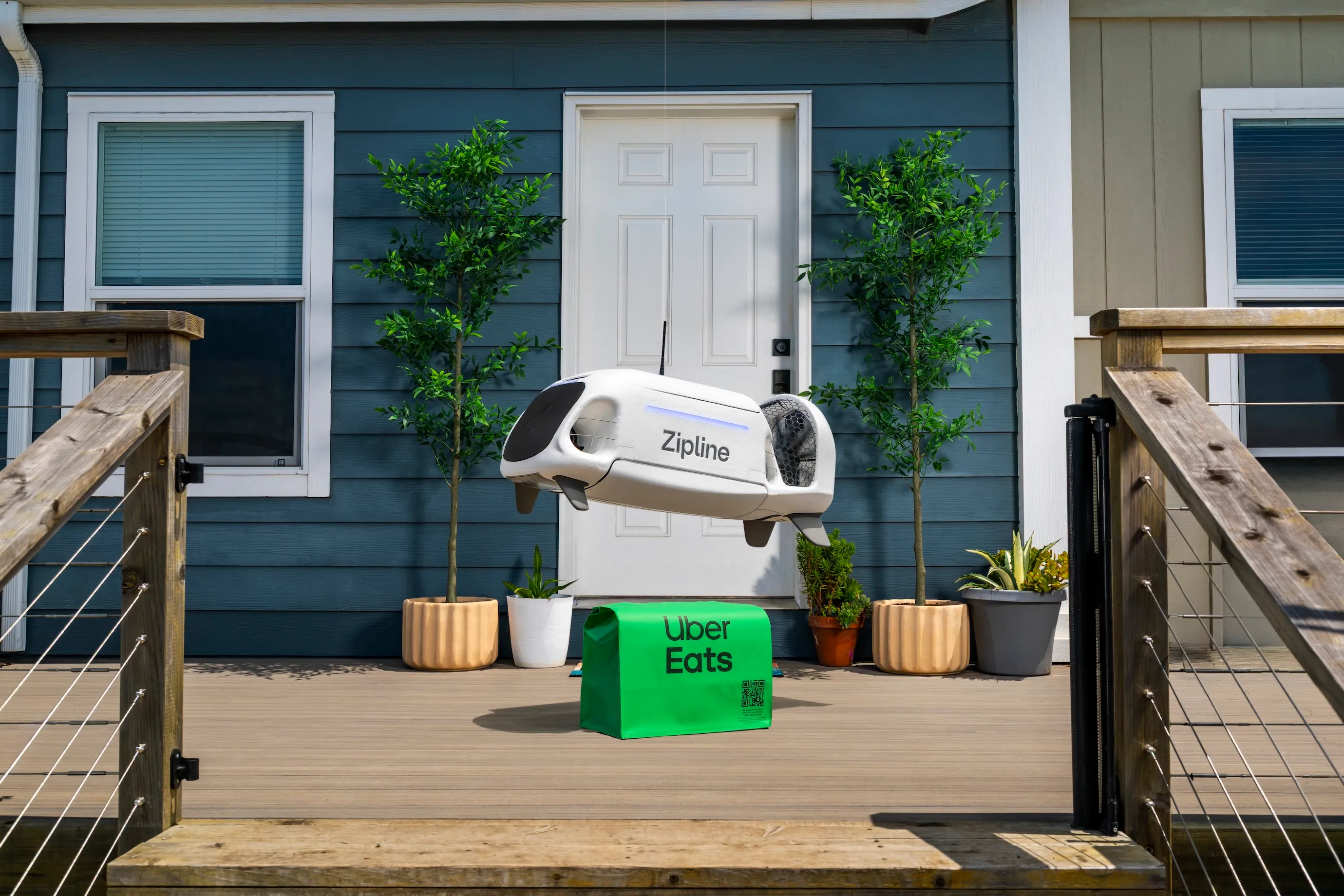
Uber has announced a strategic partnership and investment in drone delivery specialist Zipline, aiming to scale autonomous logistics to one million daily deliveries by the end of 2029. The collaboration will see Zipline’s drones begin fulfilling orders on the Uber Eats platform by the end of this year, initially launching in Zipline’s existing markets before expanding into dozens of U.S. cities.
The financial terms of the investment were not disclosed, but the move underscores Uber’s commitment to integrating external autonomous technology rather than developing all capabilities in-house. This approach mirrors the strategy Uber has employed for its robotaxi operations, where it has invested more than $10 billion in dozens of autonomous vehicle providers to maintain a leading position in the sector.
Uber CEO Dara Khosrowshahi described the potential for drone delivery as a significant growth catalyst, noting that the company believes Zipline’s drones can complete orders within five to ten minutes. Speaking to the Wall Street Journal, Khosrowshahi stated that truly quick commerce represents a market larger than the original food delivery segment, viewing the technology as an “enormous tailwind” for the next phase of Uber Eats’ expansion.
Zipline, which recently closed an extended Series H funding round of $800 million valuing the San Francisco-based company at $7.6 billion, sees the partnership as a step toward ubiquitous, effortless delivery. Co-founder Keller Cliffton described the collaboration as part of a broader transportation revolution, aiming to make receiving goods as simple as sending a text message regardless of location.
The deal follows a period of strategic recalibration for Uber’s aerial ambitions. The company previously operated its own aerial ride-sharing service, Uber Elevate, and the Uber Autonomous Technologies Group, but sold off these programs to focus on partnerships. Uber had also tested drone delivery concepts through its former Elevate division and announced a minor investment in Israeli startup Flytrex late last year.
However, Uber’s multi-partner strategy carries risks. The company recently clashed with key partner Waymo, with both firms expected to part ways when their contracts expire in 2028. The two companies are also on opposing sides of a growing regulatory battle over autonomous vehicles, highlighting the complexities of managing a diverse portfolio of technology providers.