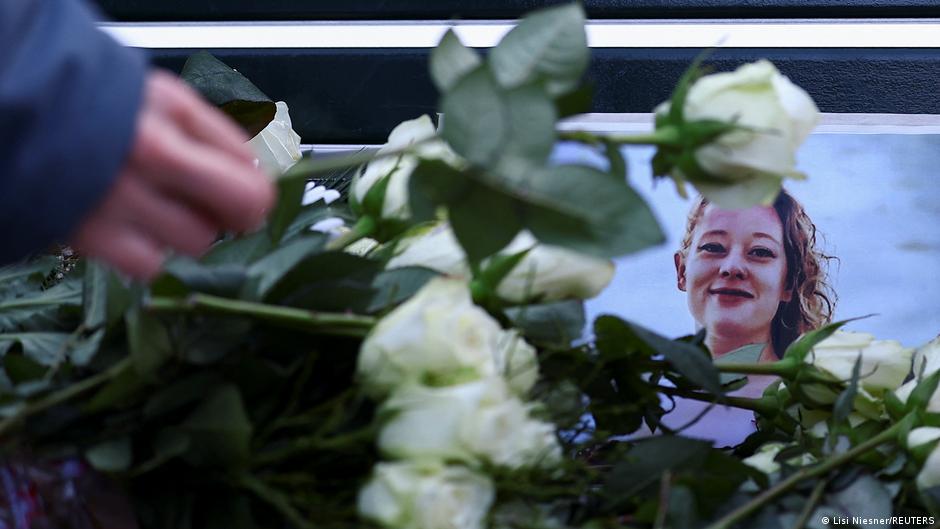
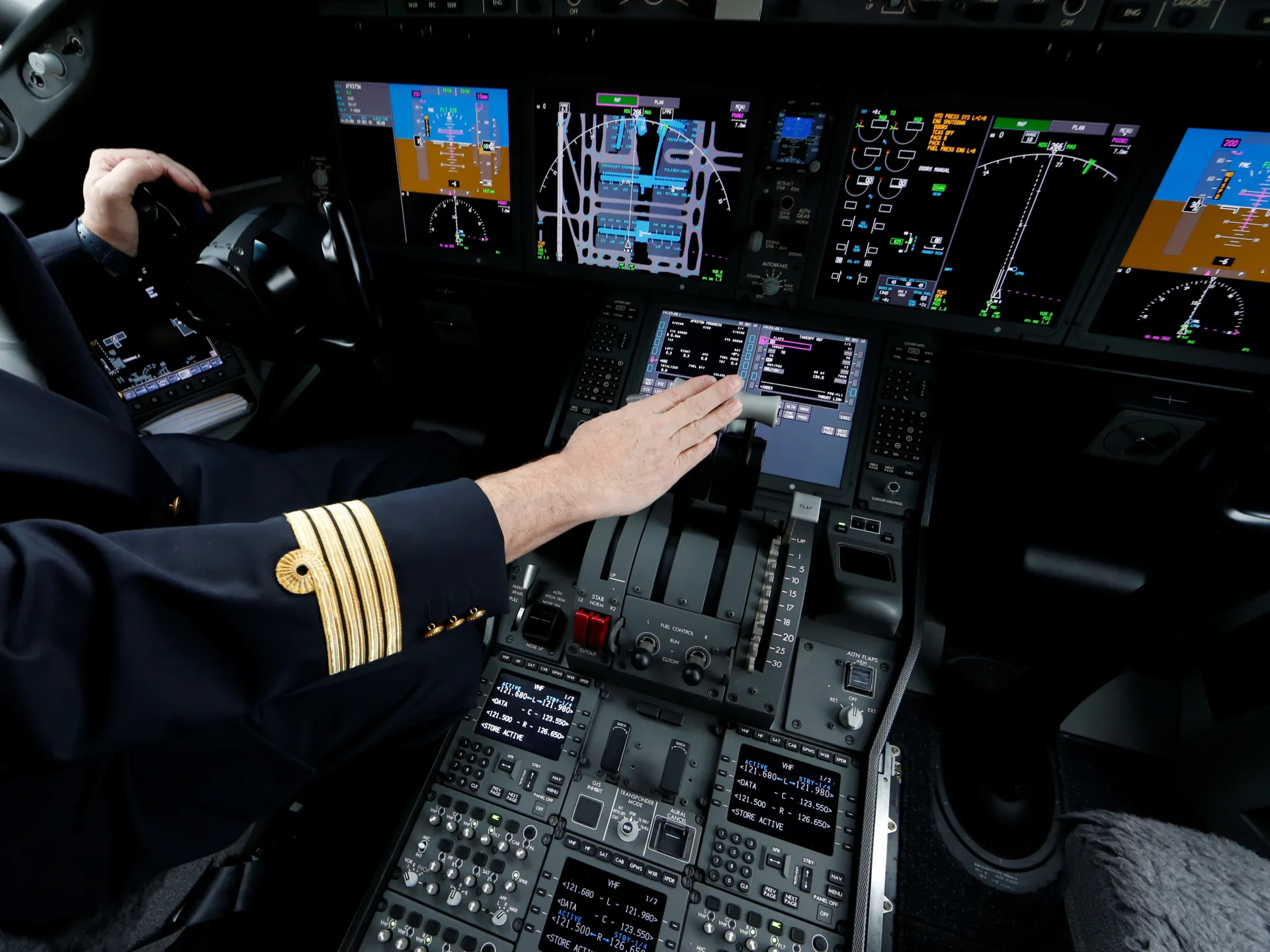
UAE investigation puts cockpit safety oversight under scrutiny
A Flydubai flight diverted to Saudi Arabia after an alleged cockpit attack. The co-pilot’s qualifications and how he was cleared to fly remain unverified.
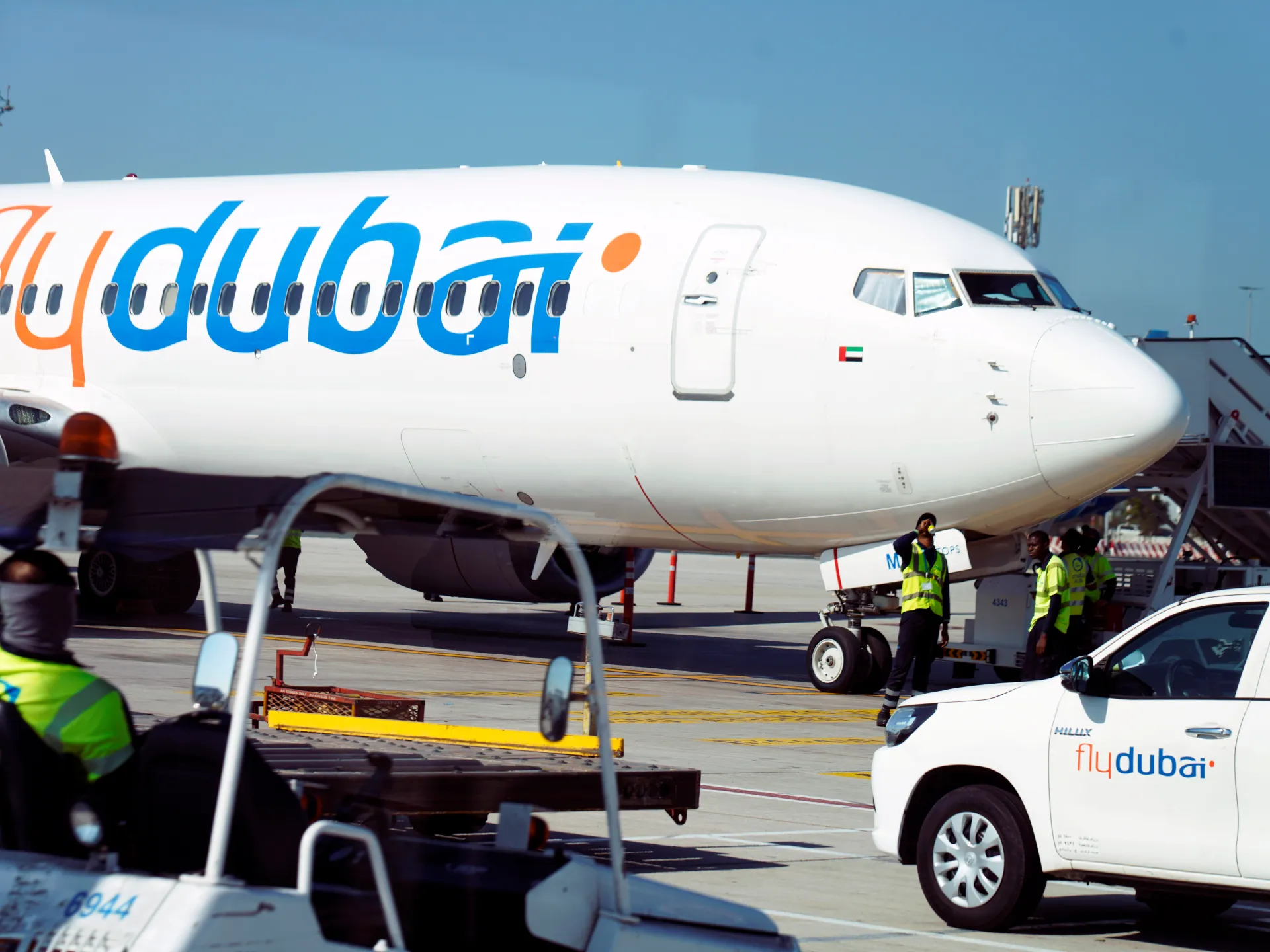
A Flydubai service from Dubai to Tel Aviv landed in Tabuk, Saudi Arabia, after the co-pilot allegedly stabbed Captain Smit Machchhar. Both pilots were injured and received treatment in Saudi Arabia. The co-pilot was taken into custody but had not been charged at publication.
Israeli officials said the aircraft lost altitude during the incident. Crew and passengers reportedly helped subdue the co-pilot and regain control. The detailed sequence remains under investigation.
The UAE has ordered an inquiry into the incident’s circumstances and motives, including whether it was connected to terrorist activity or involved prior planning. Saudi Arabia had not provided an update in the report.
Flydubai’s certification and operational safety oversight sit with the UAE’s General Civil Aviation Authority, which is responsible for ensuring the operator meets requirements for flight crews and their fitness to fly, according to the European Union Aviation Safety Agency.
The standard UAE framework requires pilots to hold a professional licence, an aircraft type rating, a current Class 1 medical certificate, English proficiency and required flight experience. The available information does not establish the co-pilot’s qualifications, screening history or how he was cleared to fly.
Israel said it would increase security checks on pilots flying into the country. The motive remains unclear, and claims about a targeted attack or Iranian involvement have not been established.