Flydubai incident puts crew security under scrutiny
An alleged attack on the captain of a flight bound for Tel Aviv has exposed the limits of safeguards designed to keep threats out of the cockpit.
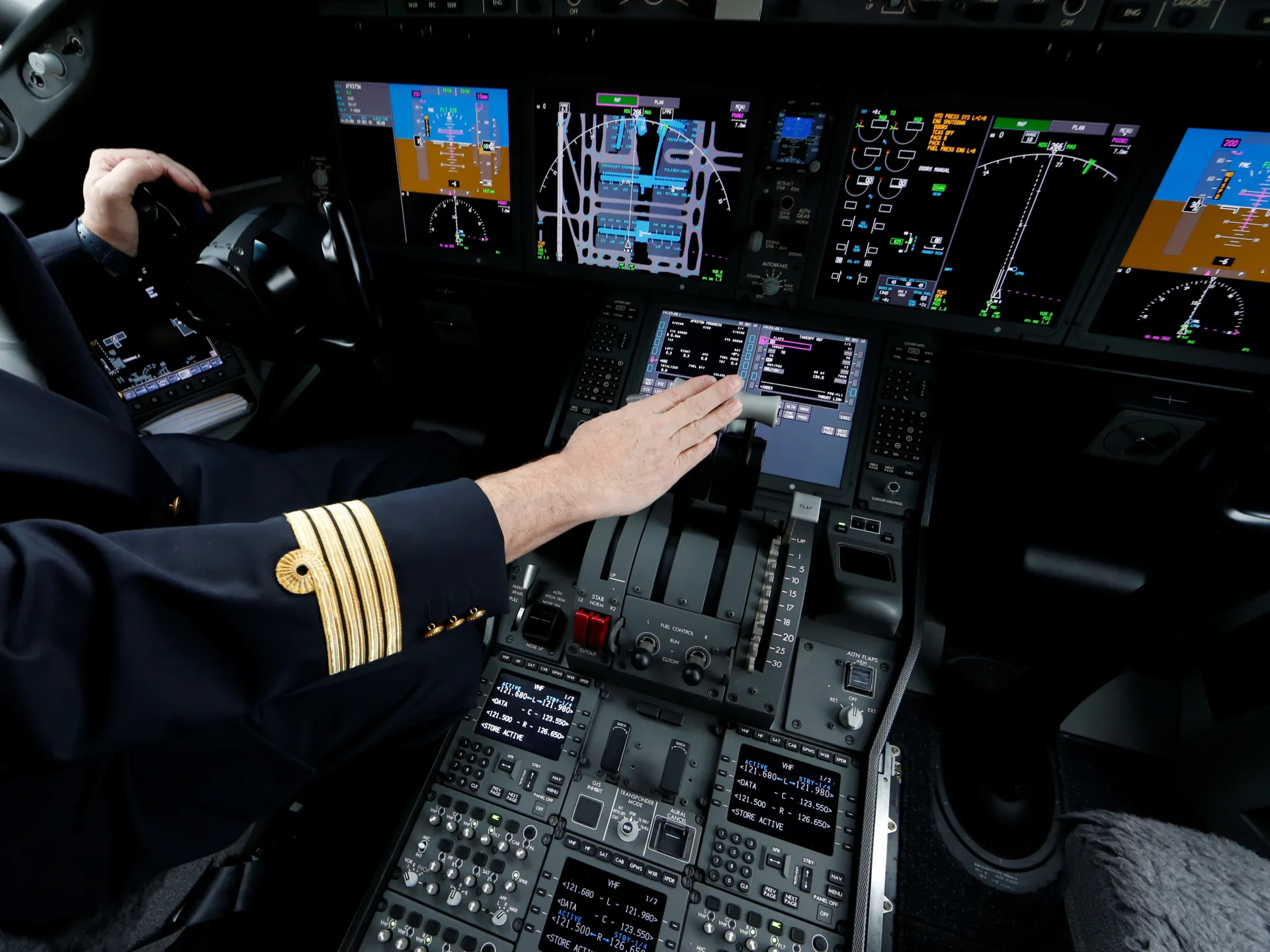
Flydubai flight FZ1073, travelling from Dubai to Tel Aviv, diverted to Tabuk, Saudi Arabia, after the co-pilot allegedly stabbed the captain. Passengers and crew subdued the co-pilot, and another pilot aboard landed the aircraft safely. The incident is under investigation.
Al Jazeera reported that the aircraft first transmitted emergency code 7700 and later code 7500, citing Flightradar24. Code 7500 signals unlawful interference, but does not by itself confirm a hijacking. The co-pilot’s motive and intent remain unclear.
The episode raises questions about safeguards built around cockpit access. Reinforced, electronically controlled doors and entry procedures are designed to prevent unauthorised access from the cabin; they do not address a threat that originates within the flight crew.
Since the 2015 Germanwings crash, European measures have included psychological assessments and alcohol and substance testing for pilots. A recommendation to keep two authorised people in the cockpit was shifted to a risk-based approach in 2016.
Israel has said it will increase security checks on pilots flying into the country. Prime Minister Benjamin Netanyahu said Israel would follow the investigation and possibly participate; any broader crew-vetting requirements or role in the inquiry remain unsettled.