UAE formally withdraws from OPEC and OPEC+ citing lack of regional defence
The decision marks a significant blow to the oil-exporting groups as global markets remain unsettled by the ongoing Iran war and threats to shipping through the Strait of Hormuz.
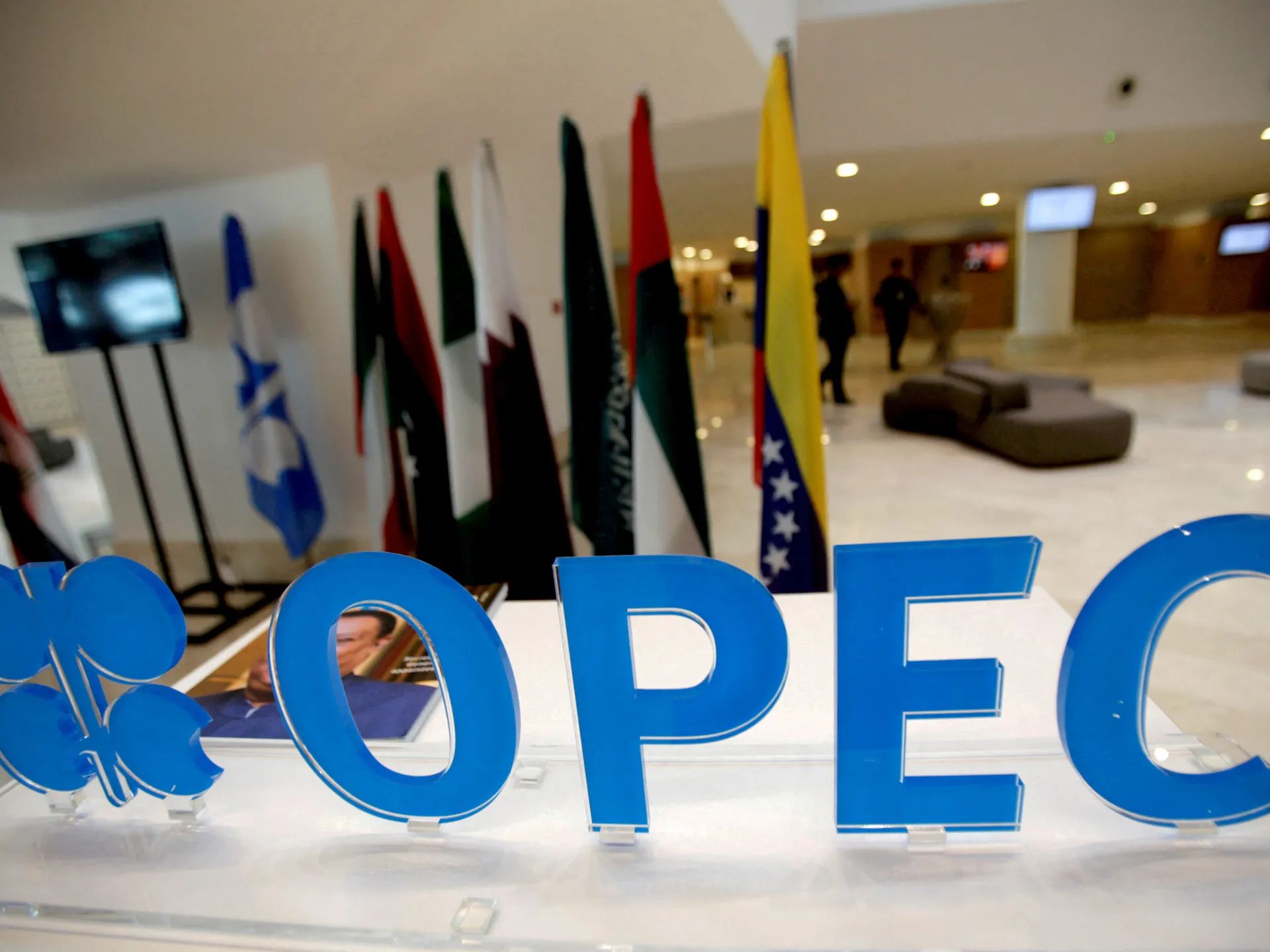
The United Arab Emirates has announced its formal withdrawal from both OPEC and OPEC+, a move described as a significant blow to the oil-exporting groups. The decision was made on Tuesday, occurring at a critical time when global energy markets are already unsettled due to the ongoing Iran war and threats to shipping through the Strait of Hormuz.
The announcement follows public criticism from UAE diplomatic adviser Anwar Gargash regarding the lack of political and military support from Arab and Gulf Cooperation Council states against Iranian attacks. Speaking at the Gulf Influencers Forum on Monday, Gargash stated that while GCC countries supported each other logistically, their political and military position had been the weakest historically. He expressed particular surprise that the Gulf Cooperation Council, rather than the Arab League, had adopted such a weak stance.
The exit is viewed as a victory for US President Donald Trump, who has accused the organisation of inflating global oil prices. Trump has framed the departure as a win for Washington, aligning with his previous accusations that OPEC exploits US military protection in the region to impose high prices. He has specifically noted that while the US defends OPEC members, the cartel uses this security umbrella to rip off the rest of the world.
This development comes amidst reports of Iranian threats and attacks on vessels attempting to pass through the Strait of Hormuz, a narrow chokepoint vital for global energy supply. The UAE, a longstanding member of OPEC and a key regional business hub, is leaving just as the group struggles with logistical challenges in the strait. Approximately one-fifth of the world's crude oil and liquefied natural gas normally passes through this route between Iran and Oman.
Despite the geopolitical turmoil, the immediate economic impact of the UAE's departure on global oil prices and OPEC+ production quotas remains to be fully assessed. The uncertainty is compounded by the fact that the group has already been grappling with the disruption caused by the Iran war. Concurrently, US President Donald Trump is reviewing an Iranian peace proposal aimed at reopening the Strait of Hormuz, though assessments suggest he is unlikely to accept specific conditions attached to it.
The long-term stability of the GCC and Arab League's response to Iranian aggression remains uncertain given the UAE's public expression of disappointment regarding their allies' stance. Meanwhile, diplomatic initiatives to reopen the Strait of Hormuz face significant hurdles due to unresolved fundamental disagreements between the US and Israel. Despite these regional tensions, the King Charles state visit to the US is proceeding as planned, including a private meeting with President Trump, aiming to strengthen US-UK relations.