UAE exits OPEC and OPEC+ cartels effective May 1 as regional tensions persist
The United Arab Emirates has announced its withdrawal from the Organisation of the Petroleum Exporting Countries and the OPEC+ production cartel. The move, effective 1 May 2026, is described by official WAM news agency as a strategic decision reflecting the country's evolving energy profile.
State media announced on Tuesday that the United Arab Emirates will withdraw from the OPEC and OPEC+ oil cartels on 1 May. The official WAM news agency characterised the move as a strategic decision reflecting the nation's long-term economic vision and evolving energy profile. This institutional shift marks a significant change in the UAE's engagement with global oil production quotas at a time of heightened regional volatility.
The announcement coincides with a period of stalled peace negotiations between the United States and Iran. US President Donald Trump has expressed dissatisfaction with Tehran's latest peace proposal, which seeks to address shipping disputes and war resolution before discussing Iran's nuclear programme. Conversely, Iran's defence ministry stated that the United States is no longer in a position to dictate policy to independent nations, highlighting the diplomatic impasse surrounding the conflict.
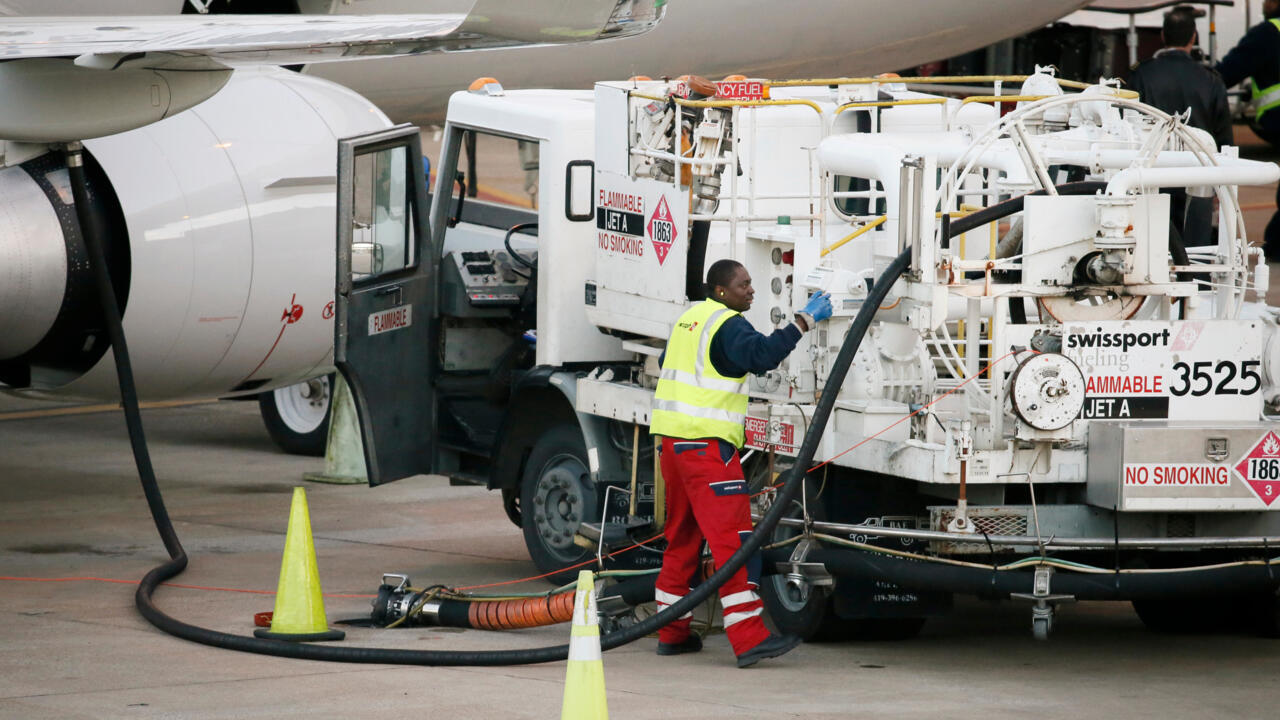
Amidst these geopolitical frictions, the International Air Transport Association has warned of a real risk of jet fuel shortages this summer. Willie Walsh, head of the body, cautioned that flights could be cancelled if fuel rationing is implemented due to the ongoing conflict. He noted that potential impacts could spread from Asia to Europe, Africa, and Latin America, raising concerns about supply chain resilience in the face of the Middle East war.
Operational capacity remains a point of contention in the region, particularly regarding maritime transit. An LNG carrier controlled by the Emirati national oil company Adnoc, the Mubaraz, successfully passed through the Strait of Hormuz for the first time since the route was virtually closed in early March. This movement contrasts with other regional disruptions, such as Iran's ban on steel exports effective 26 April, which followed air strikes on its industry by the United States and Israel.
Security alerts continue to escalate across the neighbourhood. Israel issued urgent evacuation warnings to residents in southern Lebanon due to alleged ceasefire violations by Hezbollah. Meanwhile, five people were sentenced to life imprisonment in Bahrain for plotting hostile acts with Iran. These developments underscore the fragile security environment in which the UAE's institutional restructuring is taking place.
While the UAE's exit from the cartels signals a new policy direction, the broader context of the conflict suggests ongoing challenges for global energy markets. The United States administration is currently examining Iran's proposal to unblock the Strait of Hormuz, while Russia has offered to mediate and store enriched uranium, though these efforts have been spurned by Washington. The convergence of these diplomatic and security factors will likely shape the immediate aftermath of the UAE's withdrawal.