UAE exits OPEC and OPEC+ alliances, ending six decades of membership
The state news agency WAM confirmed the move on Tuesday, effective Friday, as energy markets react to the shift amid regional instability.
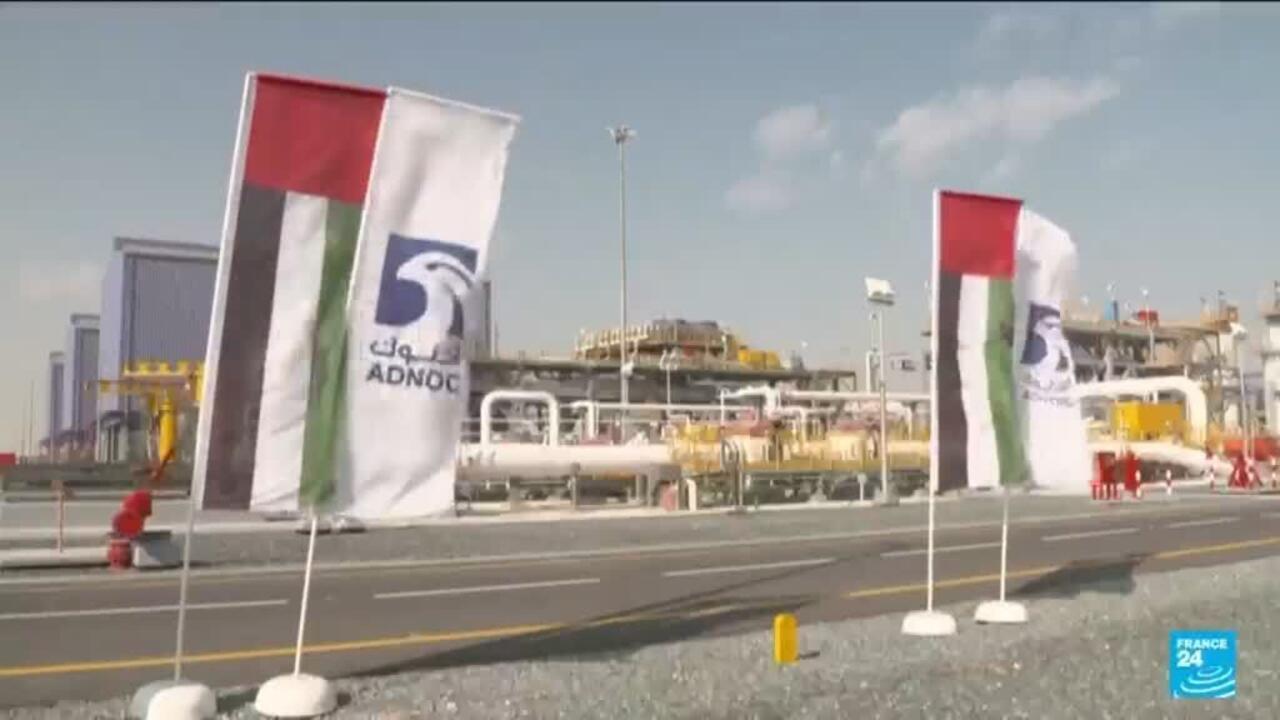
The United Arab Emirates has formally announced its withdrawal from both OPEC and the OPEC+ alliance, a decision confirmed by the state news agency WAM on Tuesday. The move, set to take effect on Friday, 1 May 2026, concludes the nation's nearly six-decade membership in these groups, representing a significant recalibration of the UAE's approach to global energy governance.
In the official statement released by the government, Abu Dhabi cited a strategic pivot to prioritise national interests rather than collective quota adherence. This rationale underscores a long-standing tension between the emirate and the cartel, as the UAE has historically chafed under production quotas imposed by the group, often acting independently to maximise revenue.
The announcement comes at a time of heightened volatility in global energy markets, with prices already rising against the backdrop of ongoing conflict in the Middle East. As one of the world's top oil producers, the UAE's departure from the institutional framework signals a definitive break from the policy structures that have long governed international oil supply dynamics.
While the immediate impact on global supply volumes remains uncertain, the decision highlights the limits of the OPEC+ model when member states diverge on strategic priorities. The withdrawal leaves the future production strategies of remaining members unclear, as the UAE may continue to produce oil independently outside the cartel framework.
This institutional shift occurs alongside broader geopolitical shifts in the region, where security dynamics and economic priorities are increasingly driving state behaviour. The UAE's move suggests that national strategic autonomy is now outweighing the benefits of coordinated production policies within the oil cartel.
The formal exit, effective next Friday, marks the end of an era for the UAE in the Organisation of the Petroleum Exporting Countries, shifting the focus entirely to domestic objectives and regional security considerations.