UAE Economy Strained by Iran Conflict as Authorities Push Resilience Narrative
Analysts warn of sectoral damage and delayed recovery, contradicting official claims of financial stability amid ongoing regional hostilities.
The United Arab Emirates economy is grappling with significant disruption following the escalation of the Iran war, marked by a sharp decline in tourism, resident departures, and rising inflation. In response to the crisis, authorities have implemented a series of stabilisation measures, including tax residency flexibility and financial aid packages, while maintaining a public stance of economic resilience.
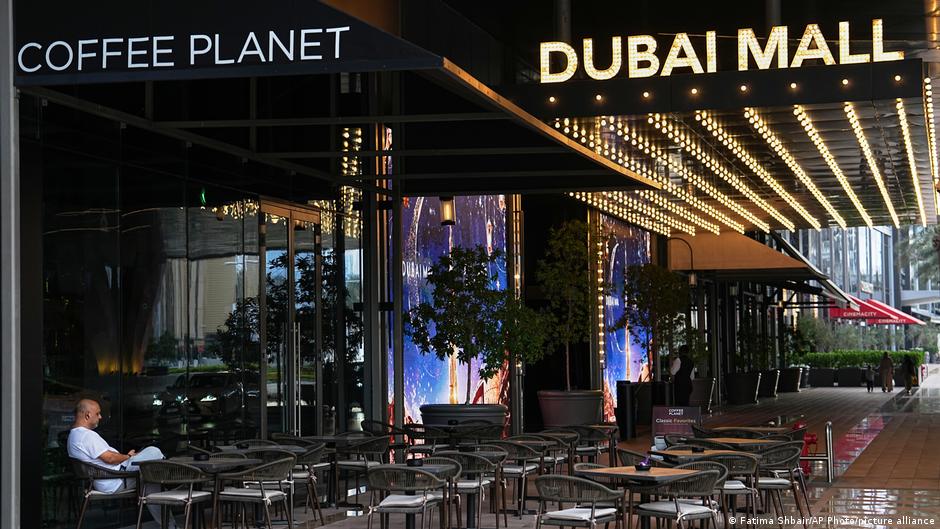
Hotel occupancy rates in Dubai have plummeted from 80 per cent to approximately 10 per cent since the conflict began. This collapse in demand has forced some establishments to close prematurely for renovations, while others are offering discounted staycations to local residents. The strain is particularly acute for the UAE’s non-national population, which comprises roughly 10.4 million of the 11.8 million residents, with many in the hospitality sector facing job losses or reduced hours.
To counter the downturn, the UAE government introduced an incentive package worth approximately $800 for residents who bring visitors between July and October. This initiative was launched despite travel warnings from numerous foreign governments. Additionally, a $680 million aid package has been deployed to support affected industries, including exemptions from municipality costs for hotels and restaurants, and delays in licensing fees for private schools.
Official narratives continue to project confidence, with leaders denying any need for external financial backing. This position was reinforced after the UAE requested a currency swap line with the United States, a move US Treasury Secretary Scott Bessent attributed to managing war fallout. However, UAE Ambassador Yousef Al Otaiba dismissed suggestions of distress, asserting that the country remains one of the world’s most financially resilient economies.
Economists suggest the swap line request was likely a precautionary measure rather than an indication of acute crisis. While the monetary base fell by 8 per cent in March, it has since stabilised. Analysts at Oxford Economics note that the underlying financial position remains strong, although investor wariness persists due to the latent risk of renewed regional conflict.
The economic impact is expected to be sectoral, with tourism, retail, and transport bearing the brunt of the damage. Foreign direct investment in Gulf states is projected to decline, and gross domestic product may fall for the first time since the pandemic. International visitor numbers are not anticipated to return to 2025 levels until 2028, complicating efforts to rebuild economic momentum.
Despite the current challenges, experts argue that the UAE’s fundamental strengths, including its business-friendly regulations and status as a global aviation hub, remain intact. However, a genuine recovery is unlikely until hostilities cease, with the region currently stuck in a limbo between conflict and stability that hinders long-term planning and investment.