UAE departure from OPEC marks shift in global oil pricing dynamics
The United Arab Emirates has exited the Organisation of the Petroleum Exporting Countries, a move interpreted by industry observers as a reduction in the group's ability to influence international oil markets.
Reports emerging on 30 April 2026 indicate that the United Arab Emirates has left the Organisation of the Petroleum Exporting Countries. This development is being monitored closely by policy analysts who view the departure as a significant alteration to the geopolitical balance within the cartel. As a founding member and a major oil producer, the UAE's exit removes a key pillar from the organisation's traditional framework for managing global supply.
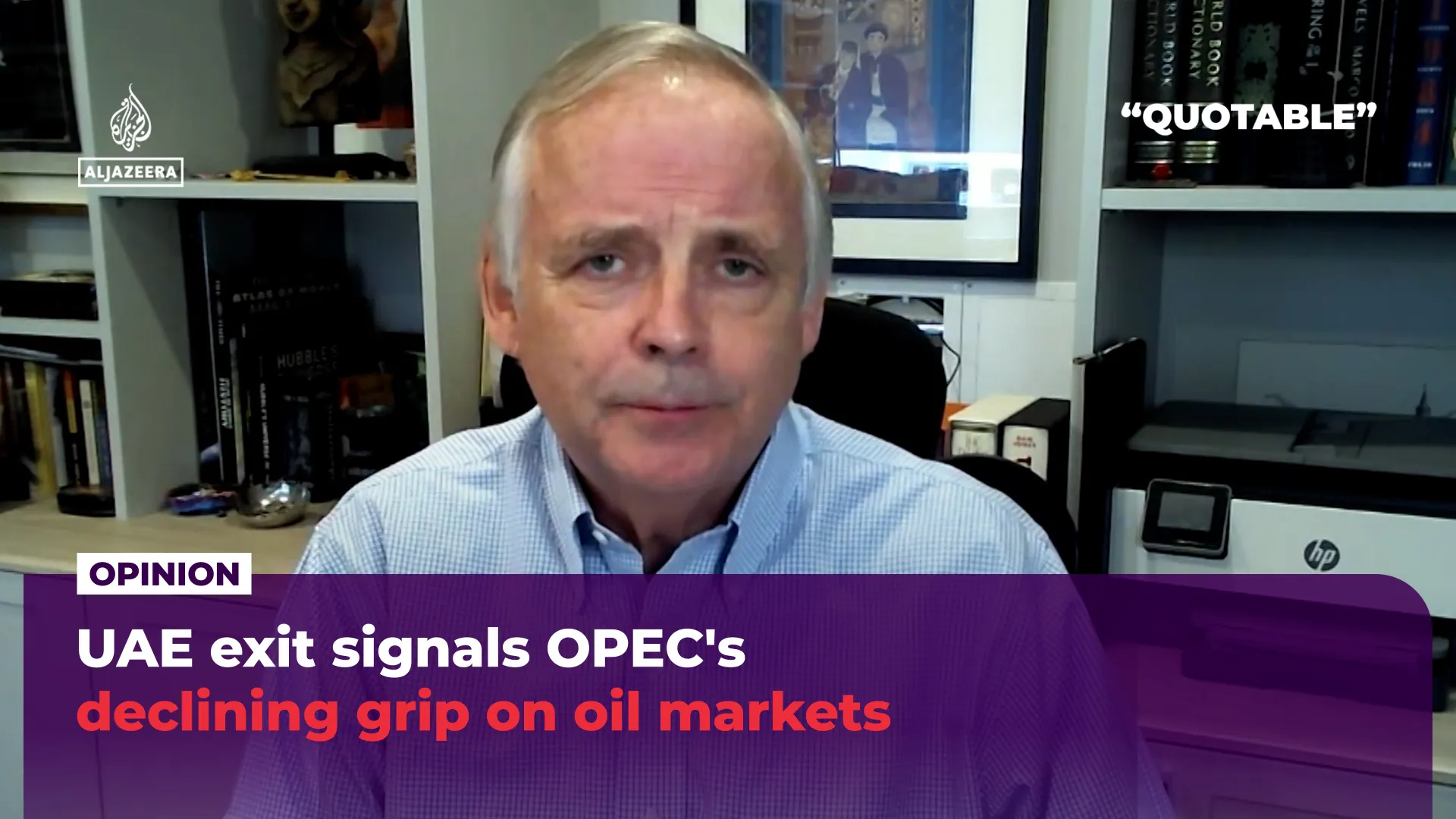
Chris Weafer, an analyst commenting on the situation, asserts that this departure signals a decline in OPEC's capacity to influence global oil pricing. The organisation has historically served as a primary driver for price stability and production quotas, yet the loss of the Emirates suggests a potential fragmentation of the group's strategic cohesion. Without the UAE's participation, the remaining members may face increased difficulty in enforcing unified production targets that directly impact the global market.
The event is currently being categorised under security topics by news aggregators, reflecting the broader implications of shifting energy governance. While the UAE remains a significant oil producer, its withdrawal from the cartel changes the institutional landscape in which global energy policies are negotiated. This structural change raises questions about the future efficacy of the organisation in maintaining the production discipline that has characterised its operations for decades.
Despite the analytical consensus on the reduced influence, specific details regarding the mechanics of the exit remain limited in the available reporting. There are no official statements from OPEC or the UAE government currently available to clarify the precise terms of the separation or the timeline of the transition. Consequently, the extent to which this move will immediately impact global oil prices versus driving long-term structural changes remains unquantified at this stage.
The focus remains on the institutional impact rather than short-term market fluctuations. As the geopolitical balance within the cartel shifts, the policy implications for global energy security become more complex. The absence of corroborating data or direct quotes from the parties involved necessitates a cautious approach to interpreting the immediate consequences of the UAE's decision to leave the organisation.