Bosnia’s election campaign turns on ethnic divisions as reform stalls
Voters head to the polls on 4 October amid concerns over living costs, corruption and emigration, while ethnic politics dominate the campaign.
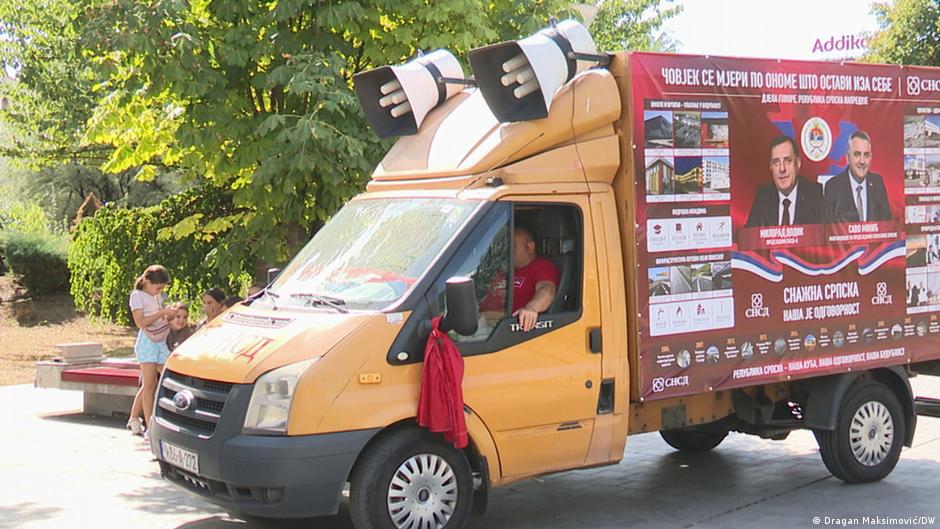
Bosnia and Herzegovina will hold elections on 4 October for state and entity offices, including the three-member state presidency, the Republika Srpska presidency and parliamentary seats. Deutsche Welle reports that ethnic identity and political divisions have taken precedence in the campaign, despite voters’ concerns about economic hardship, corruption and emigration.
The country’s political system, shaped by the Dayton Peace Agreement that ended the 1992–95 war, distributes power through ethnically structured institutions. The election will fill some state and entity roles; other parliamentary chambers and the Federation presidency are filled after the vote through ethnic quotas.
Deutsche Welle describes the system as contributing to political paralysis, with institutional divisions impeding reform. It reports that many voters distrust campaign promises and see little change in their daily circumstances, including high prices, low wages and poor public services.
Bosnia has been an EU candidate since 2022, and the EU approved opening accession talks in 2024. But progress has stalled, according to the report, which cites an analysis saying the country implemented none of 113 required reforms.
The election also comes amid renewed competition for influence in the Western Balkans involving Russia, the EU and the United States. The campaign’s focus on identity leaves economic pressures and emigration among the issues voters say shape their lives but receive less attention.