UAE confirms second consecutive day of Iranian missile and drone strikes amid Strait of Hormuz tensions
The United Arab Emirates has confirmed it has come under attack from Iranian missiles and drones for the second day in a row, with officials stating that the results of the latest strikes are not yet clear.
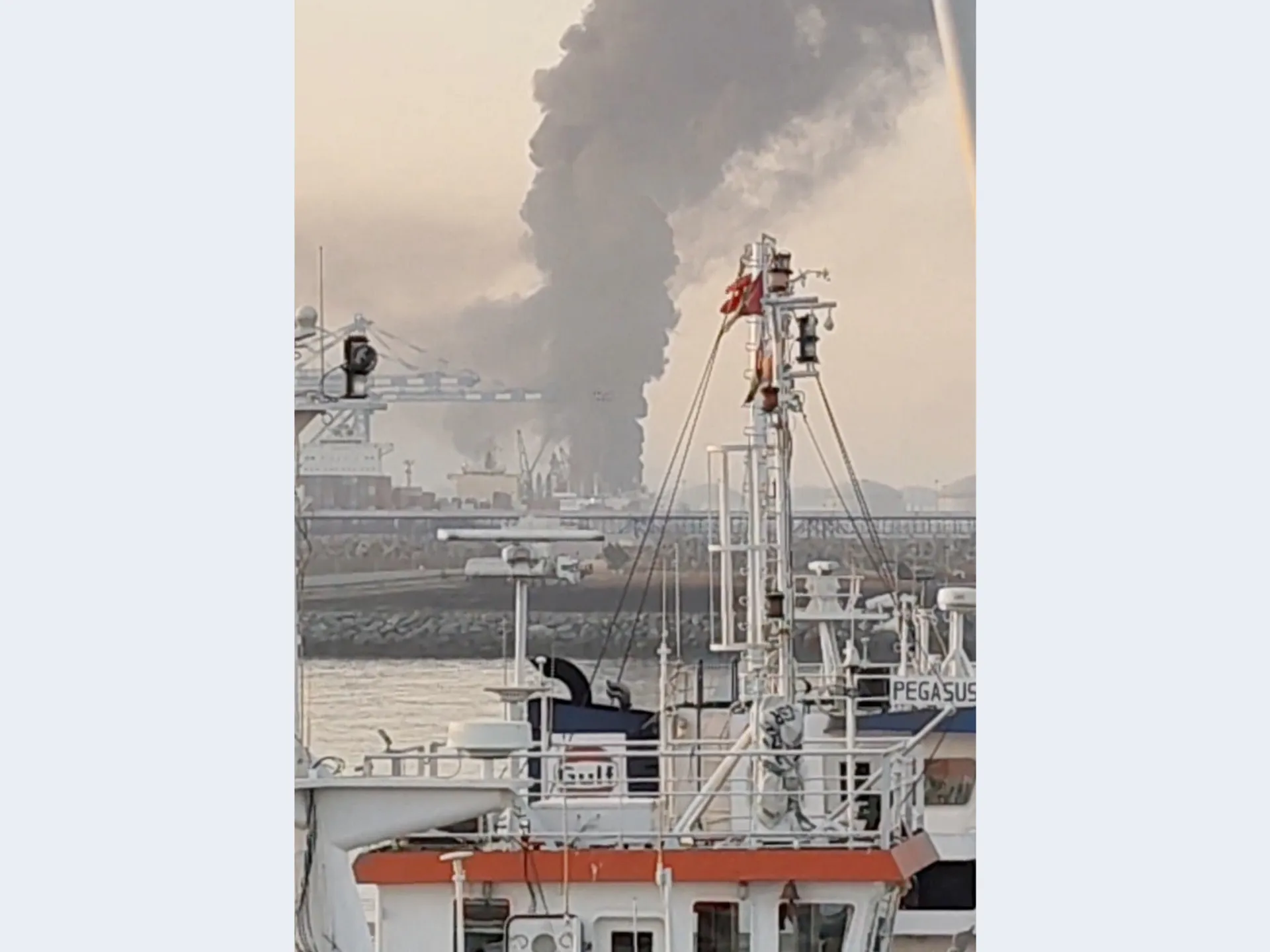
The United Arab Emirates Defence Ministry confirmed on Tuesday that the nation has endured missile and drone attacks for the second consecutive day. This escalation occurs just one day after Tehran launched a salvo of fifteen missiles, mostly ballistic, towards the UAE on Monday. While Emirati authorities stated that all projectiles from the Monday incident were intercepted, the Tuesday attacks saw a drone strike ignite a fire at a key oil facility in the eastern emirate of Fujairah.
The facility in Fujairah is a critical node in the region's energy infrastructure, handling approximately 1.7 million barrels per day. This volume represents roughly half of the UAE's total export capacity, allowing shipments to bypass the Strait of Hormuz via the Gulf of Oman. Although the specific damage caused by Tuesday's strikes remains unclear as results were not immediately available, the fire at the terminal has raised immediate concerns regarding the nation's logistical capabilities during this period of heightened instability.
The recent violence marks a significant deterioration in the fragile ceasefire between the United States and Iran that came into effect approximately four weeks prior. During the five-week conflict preceding the April 8 truce, the UAE was targeted by at least 2,800 missiles and drones, a figure that exceeded the number of strikes on any other Gulf state or Israel. The current attacks follow Monday's incident, which resulted in injuries to three Indian nationals, an outcome India's government described as unacceptable.
Tensions in the region have been further complicated by the Strait of Hormuz, a narrow waterway through which about a fifth of global energy exports pass. Iranian forces have effectively taken control of the strait by attacking or threatening vessels attempting to cross without Tehran's permission, triggering a global energy shock and pushing oil prices to multi-year highs. In response, the United States imposed a naval blockade on Iranian ports and shipping on April 13, limiting Tehran's ability to export oil and import essential goods.
To mitigate these risks, Washington launched Project Freedom on Monday to guide vessels through the strait. US Defence Secretary Pete Hegseth characterised the recent naval operation as temporary, stating that US forces did not enter Iranian waters or airspace despite reports of Iranian fire on US assets. The operation preceded the latest escalation, yet the exchange of fire has reignited fears of a return to war between Iran and the United States.
Despite the exchange of fire, Washington maintains that Iran has not breached the ceasefire. However, the continued targeting of the UAE and the disruption of shipping lanes suggest that the policy landscape in the Gulf remains volatile. The combination of direct strikes on Emirati soil and the broader blockade strategy indicates a complex security environment where diplomatic agreements are being tested by kinetic military actions.