UAE aviation authority lifts all flight restrictions, restoring normal air operations
The General Civil Aviation Authority confirms airspace is open following a comprehensive review, ending a period of severe disruption that saw over 11,000 flights cancelled and major carriers suspend services.
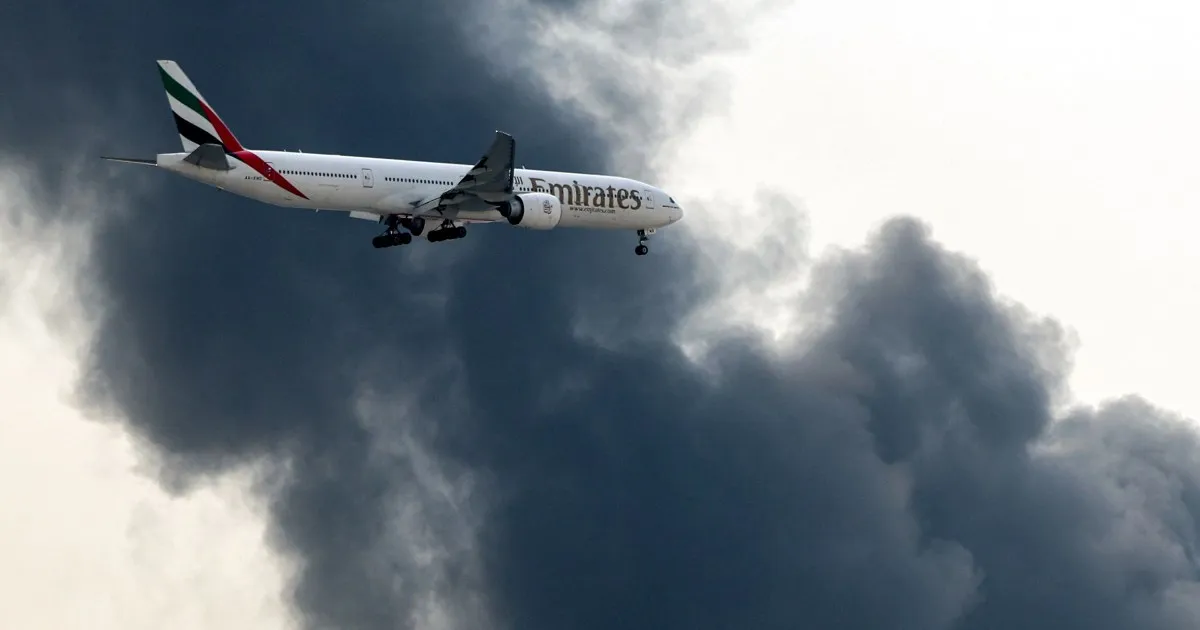
The United Arab Emirates General Civil Aviation Authority has announced that all flight restrictions introduced since the onset of the United States and Israel war on Iran have been lifted. Air operations within UAE airspace have officially returned to normal status following a comprehensive assessment of operational and security conditions. This decision marks a significant recovery for the nation's aviation hubs, which have operated under restrictions since late February.
The announcement follows a Pakistan-brokered ceasefire that brought the conflict to a halt last month. The General Civil Aviation Authority stated that the decision came in coordination with relevant authorities, though it explicitly noted that it would continue monitoring the situation despite the return to normal operations. This ongoing vigilance suggests that while the immediate threat has receded, the security environment remains volatile.
The conflict previously caused major disruption across the Middle East, forcing the closure of airspace by at least eight states, including Iraq, Jordan, Qatar, Bahrain, and Kuwait. Major carriers Emirates, flydubai, and Etihad were forced to temporarily halt or suspend operations, with Etihad suspending all departures from Abu Dhabi. The upheaval restricted the number of routes available for air carriers operating long-haul flights between Europe and Asia, dealing a blow to a region striving to lessen its economic dependence on fossil fuels.
In the opening days of the conflict, more than 11,000 flights in and out of the region were cancelled, according to aviation data firm Cirium. The UAE initially declared a temporary and partial closure of its airspace in late February before announcing a gradual reopening in March. During the partial resumption between March 1 and 12, the country's airports handled 1.4 million passengers, while national carrier operations recovered to 44.6 per cent of normal levels.
Signs of a broader regional aviation recovery are now emerging alongside the UAE's full reopening. Qatar Airways confirmed on Saturday that it would resume flights to three Iraqi cities from 10 May. This development follows the airline's earlier plans to serve more than 150 destinations across six continents from mid-June, indicating a stabilisation of the wider travel sector.
While the UAE authority claims a comprehensive assessment was conducted, the specific security metrics used to determine the safety of the full airspace reopening were not detailed in the announcement. The United States administration has previously warned that air strikes could resume if Tehran engages in further hostile actions, and broader geopolitical tensions remain high as evidenced by continued diplomatic efforts and state visits.