Twelve killed as Israel intensifies strikes in southern Lebanon
The death toll rises to 12 as Israeli forces target areas around the coastal city, casting doubt on the fragile ceasefire established in early April 2026.
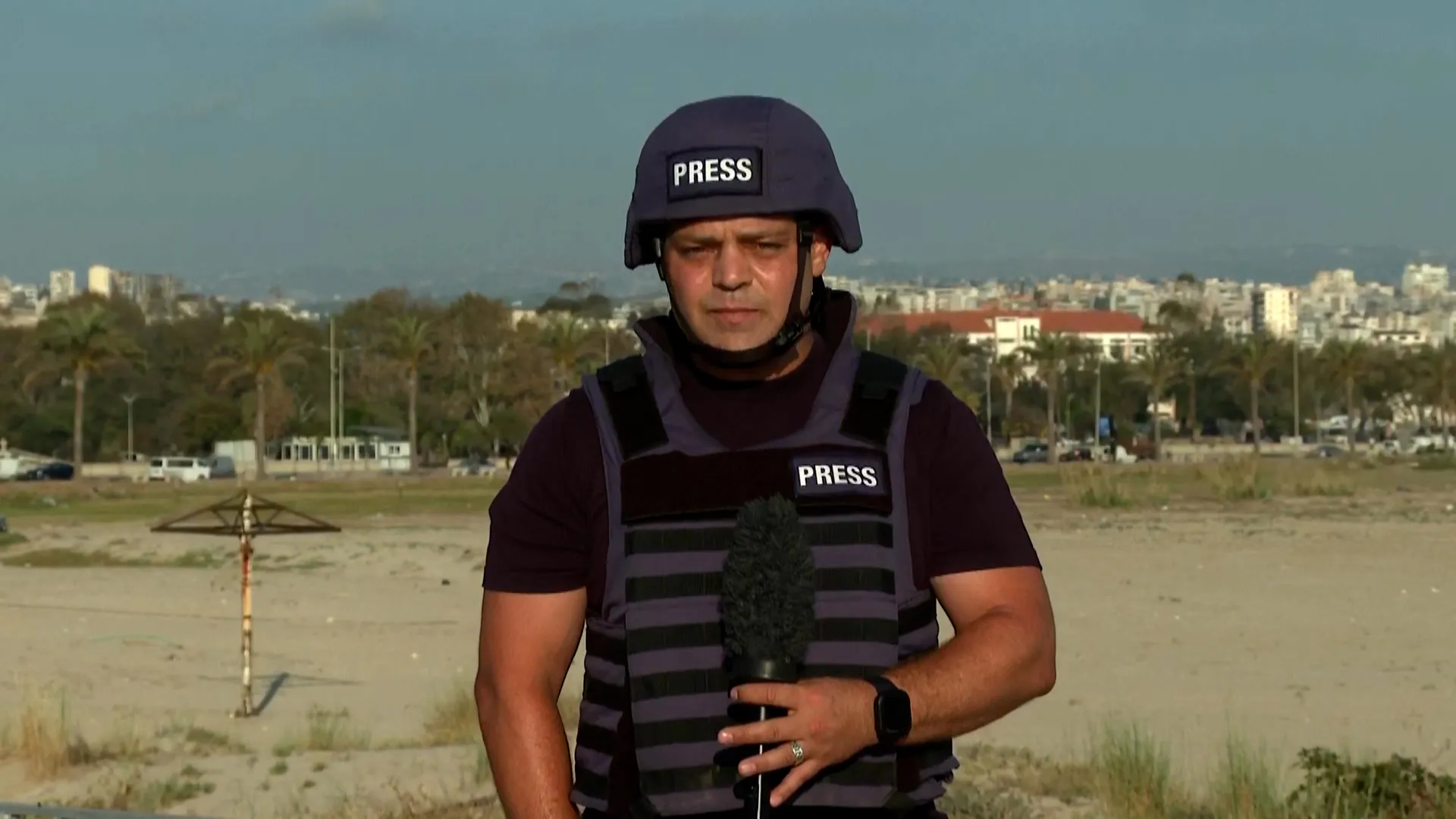
Israel has intensified military strikes in southern Lebanon, resulting in at least 12 fatalities, according to reporting from Al Jazeera. The operations have focused on the city of Tyre and its immediate surroundings, marking a significant escalation in the region’s ongoing security crisis.
Al Jazeera journalist Obaida Hitto witnessed the strikes as they unfolded in and around Tyre. His on-the-ground reporting provides the primary account of the events, confirming the location and the scale of the casualties, though independent verification of the death toll remains unavailable at this time.
The intensification of these strikes occurs against a backdrop of diplomatic tension and alleged breaches of a fragile ceasefire. A truce between Iran and Israel was established in early April 2026, but the stability of this arrangement has been increasingly challenged. Iranian Foreign Minister Abbas Araghchi held discussions with counterparts from Britain, France, Turkey, Qatar, and Pakistan on the Sunday prior to the current strikes, specifically addressing concerns regarding ceasefire violations.
This latest violence follows a pattern of recent hostilities. In late May 2026, Israel conducted an attack on Beirut’s southern suburbs, an operation that killed two people and wounded 20 others. The current strikes in Tyre suggest a broadening of military engagement beyond the capital’s periphery.
The Israeli military has continued its active operations in the region, with reports indicating sustained pressure on Lebanese territories. The precise causes of the 12 deaths, including whether they resulted from direct impacts or secondary effects, have not been detailed in the initial reports. The identities and nationalities of the deceased are also not yet known.
As the situation develops, the discrepancy between the diplomatic efforts to uphold the April ceasefire and the reality of intensified ground and air operations highlights the fragility of the current security architecture. The international community’s response to these developments, particularly following the high-level talks led by Iran’s foreign minister, remains to be seen.