Iran dismisses Trump’s Strait of Hormuz control claims as fabrications
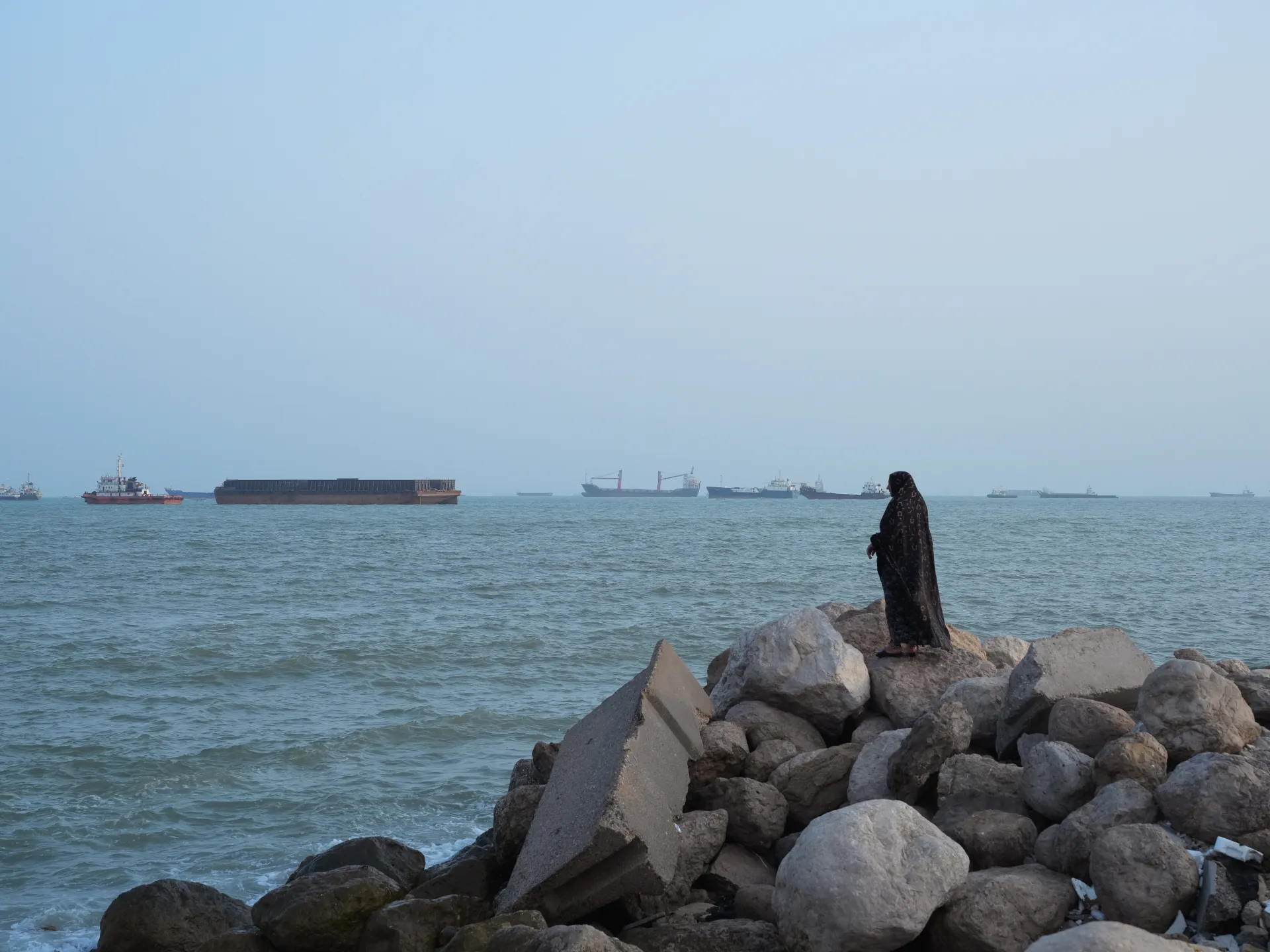
Iranian officials reject US President Donald Trump’s assertion of American dominance in the Strait of Hormuz, insisting the Islamic Republic retains complete management and that US and Israeli vessels remain barred from passage.
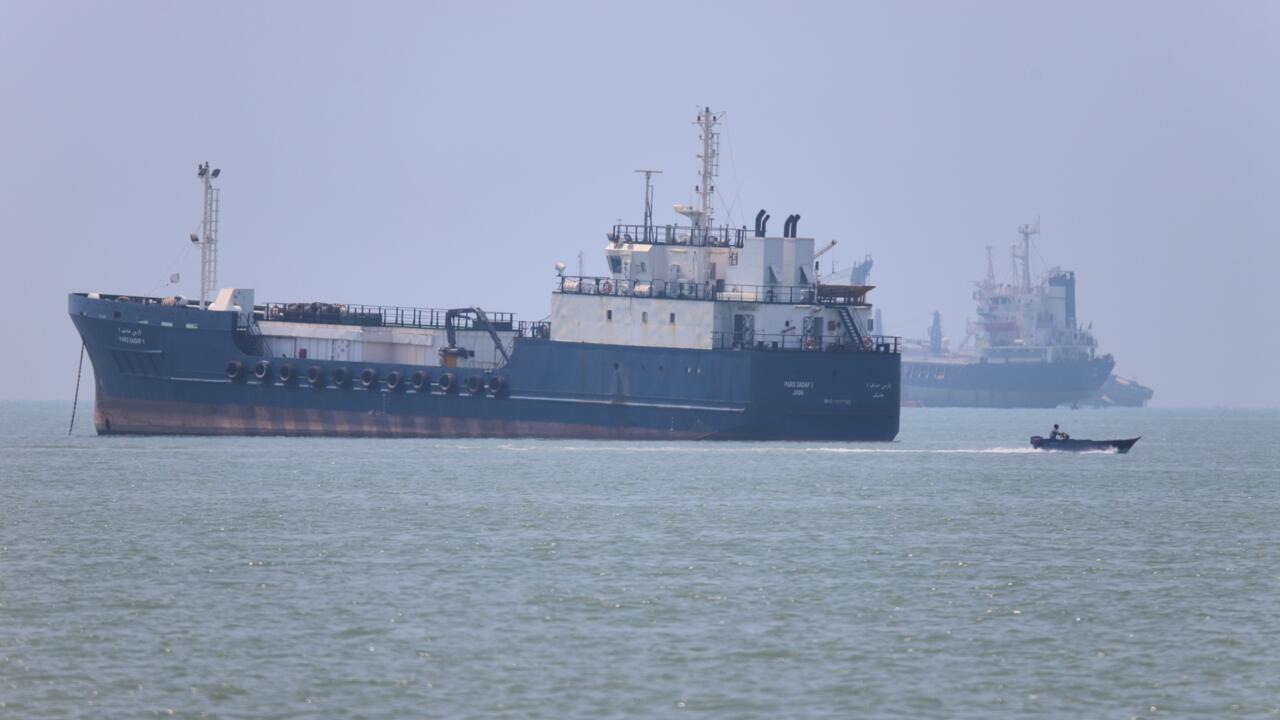
Iranian authorities have firmly rejected US President Donald Trump’s assertion that Washington exercises control over the Strait of Hormuz, labelling the claim as "lies and fabrications." The response follows a social media post by Trump on Wednesday, in which he declared that the United States holds "total control" over the strategic waterway and described a naval blockade as a "wall of steel."
Ebrahim Zolfaghari, spokesperson for Iran’s central military command, Khatam-al Anbiya, issued a video statement via state television on Thursday asserting that no commercial ship or tanker can safely navigate the strait without explicit permission and supervision from Iranian armed forces. Zolfaghari emphasised that the waterway remains under the "complete management and control" of the Islamic Republic, continuing a policy enforced since the outbreak of conflict in the region on 28 February.
The rejection was echoed by Hossein Taeb, head of the paramilitary Basij forces under the Revolutionary Guards, who stated that the country continues its path in "complete security" under Tehran’s management. Iranian parliamentarian Behnam Saeedi confirmed that the strait is closed to vessels belonging to the United States and Israel, stating that ships from the "Zionist regime" would not have the right to pass through under any circumstances, whether in war or peacetime.
Iran’s top diplomat, Abbas Araghchi, accused the United States of repeated strategic errors regarding the waterway. Speaking on X, Araghchi cited long-term intelligence failures as the basis for US "miscalculations," noting that the current dispute over the Strait of Hormuz follows the war launched alongside Israel in February.
While Iran and Oman are in the final stages of negotiations to establish a new route through the strait, Tehran maintains that such an agreement would not open the waterway unless the United States meets specific demands. These include the lifting of sanctions and reparations for alleged aggression, conditions that have kept diplomatic talks in deadlock despite mediation efforts involving Pakistan.