Turkey-PKK peace talks stall over disarmament and transparency
A parliamentary committee has recommended reintegration measures, yet the Turkish government and Kurdish factions remain at odds over legal guarantees and the status of imprisoned leader Abdullah Ocalan.
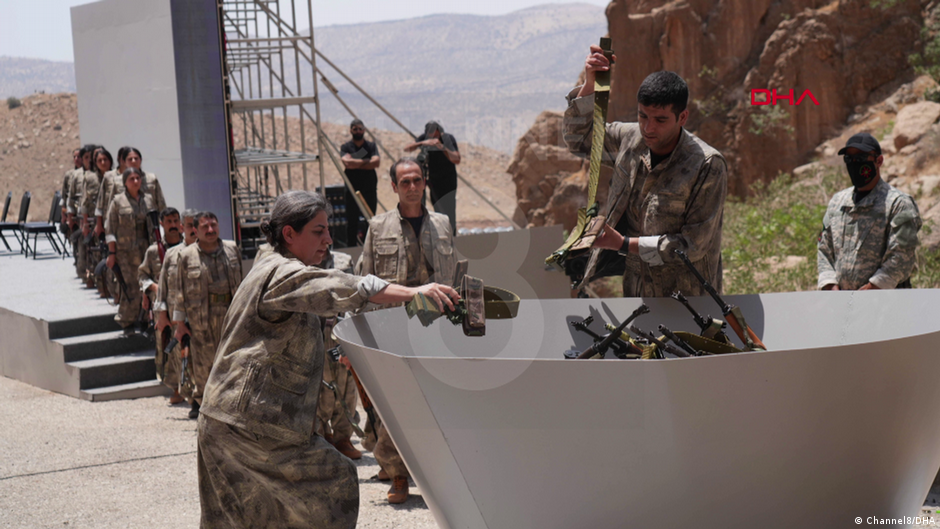
Peace negotiations between the Turkish government and the Kurdistan Workers' Party (PKK) have entered their second year with cautious optimism, having avoided the early collapse that characterised previous initiatives. The process gained momentum one year ago when approximately 30 PKK fighters symbolically burned their weapons in northern Iraq, a ceremony marking the group's shift away from its decades-long armed insurgency.
The Diyarbakir administration and the Human Rights Association (IHD) recently convened a conference in Diyarbakir to assess the trajectory of the talks. Lawyer Cihan Aydin, co-chair of the IHD, argued for the establishment of July 11 as an official day of remembrance, stating that a culture of remembrance is essential for addressing past conflicts. Aydin also called for legal solutions for those affected by the process, including PKK leader Abdullah Ocalan, who has been imprisoned since 1999 and issued the initial call for disarmament in February 2025.
In response to the shifting landscape, the Turkish parliament established a committee that heard testimony from roughly 140 representatives of politics and civil society. The committee recommended specific reforms, including the reintegration of PKK members who renounced violence and the implementation of state security verification to confirm the genuineness of the disarmament. These recommendations highlight the procedural hurdles remaining in the dialogue.
Despite these steps, significant friction persists regarding the core political demands. The Turkish government has resisted a general amnesty, offering only partial measures, and has not committed to releasing Ocalan. Conversely, the pro-Kurdish DEM party, following meetings with Ocalan, reiterated his demand for a comprehensive legal framework to advance the peace process. Aret Demirci of the Friedrich Naumann Foundation noted that while the ruling AKP party has adopted a more moderate tone, the parties' differing expectations on disarmament versus political guarantees remain the primary obstacle.
Geopolitical shifts in the region, particularly in Syria, are influencing the security dynamics driving the dialogue. The new Syrian government has compelled Kurdish groups to accommodate its authority, altering the border security landscape that previously concerned Turkish agencies. However, Demirci cautioned that sustainable peace requires more than the cessation of violence; it demands broader democratic reforms, the rule of law, and recognition of Kurdish identity. A lack of public transparency regarding agreements reached further complicates efforts to build public trust in the fragile process.