Tunisia’s top court locks in decades of prison for 40 opposition figures
The Court of Cassation has rejected the final appeal of 40 defendants, upholding sentences of up to 45 years in a ruling that concludes three years of proceedings and intensifies debate over judicial independence.
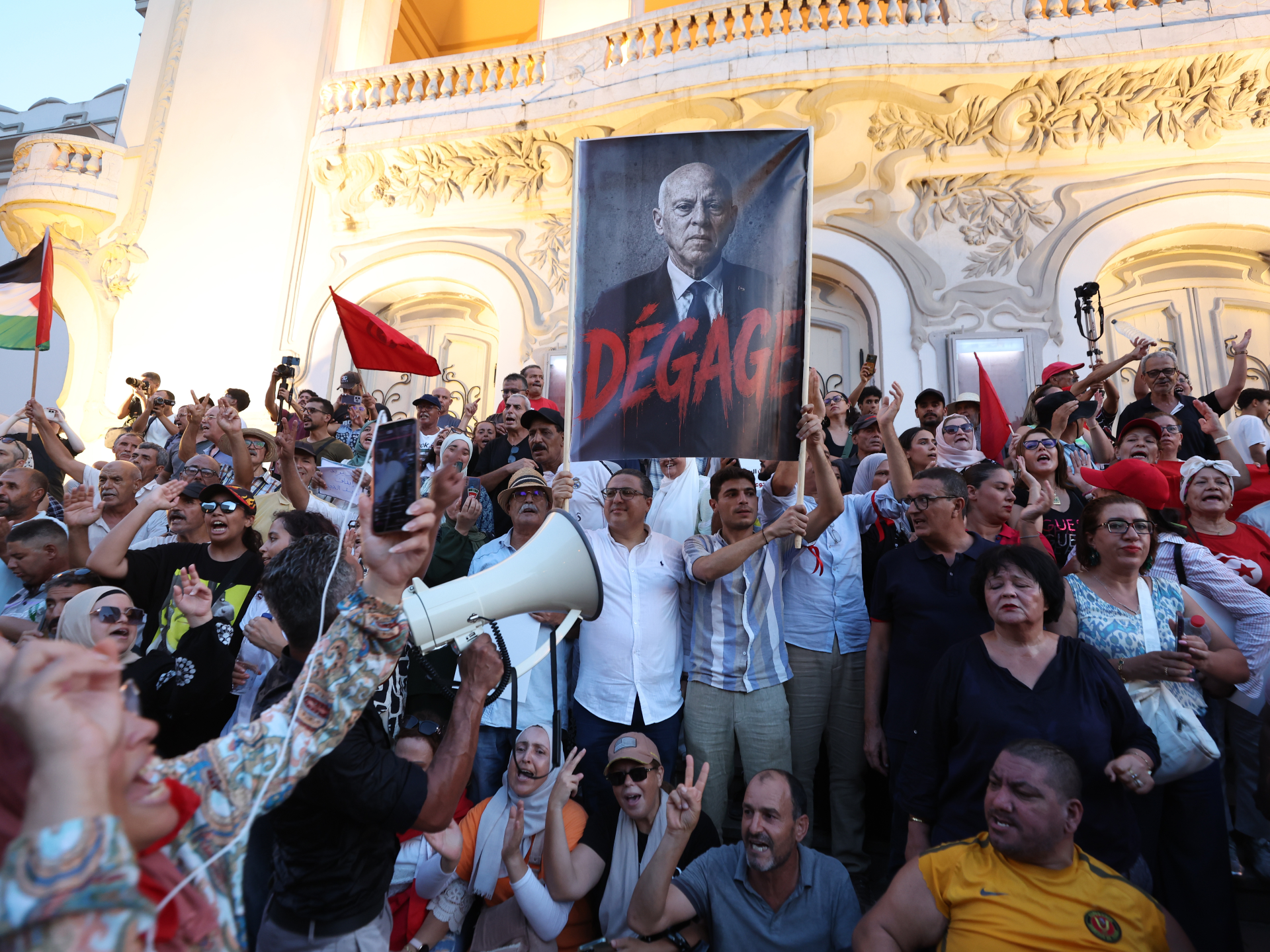
Tunisia’s Court of Cassation has delivered a final, non-appealable ruling upholding the convictions of 40 opposition figures, activists, and lawyers. The court rejected the final appeal in a mass trial, confirming prison sentences of up to 45 years for those accused by the state of conspiring to overthrow President Kais Saied. The decision, delivered on Thursday, brings to a close three years of legal proceedings that have dominated the country’s political landscape.
The court confirmed specific sentences for several high-profile defendants. Najib Chebbi, the leader of the National Salvation Front, was sentenced to 12 years. Opposition figures Ghazi Chaouachi, Issam Chebbi, Jawhar Ben Mbarek, and Ridha Belhaj each received 20-year terms, while politician Noureddine Bhiri was sentenced to 10 years. Half of the 40 defendants had fled the country and were therefore sentenced in absentia.
The ruling has intensified scrutiny of the Tunisian judiciary. Haifa Chebbi, a lawyer and the daughter of Najib Chebbi, stated that the verdict confirms the courts are not independent. She argued that her father and other defendants were “silenced” through a case designed to imprison opposition figures, asserting that opponents entered prison by political decision and would only be released when President Saied’s rule ends.
Procedural concerns have also been raised by the defence. Lawyers alleged they were notified of the Thursday hearing on Monday, leaving insufficient time to prepare a defence. Dalila Msaddek, whose brother Jawhar Ben Mbarek was among the convicted, noted on social media that the legal battle is now over, marking the beginning of a purely political struggle.
President Saied’s government has rejected accusations of political persecution. The Justice Minister maintained that the defendants sought to destabilise the country. Following their arrests in 2023, President Saied described the accused as “traitors and terrorists” and warned that judges who acquitted them would be treated as accomplices.
The case is widely viewed by critics as emblematic of Tunisia’s democratic backsliding since President Saied’s election in 2019. During this period, the President has ruled largely by decree, dissolved the independent Supreme Judicial Council, and dismissed dozens of judges, leading to ongoing questions about the separation of powers.