Tunisia’s final court ruling locks in decades of prison for opposition figures
The Cassation Court has confirmed sentences of up to 45 years for 40 defendants in a high-profile conspiracy case, a move critics argue cements President Kais Saied’s grip on power.
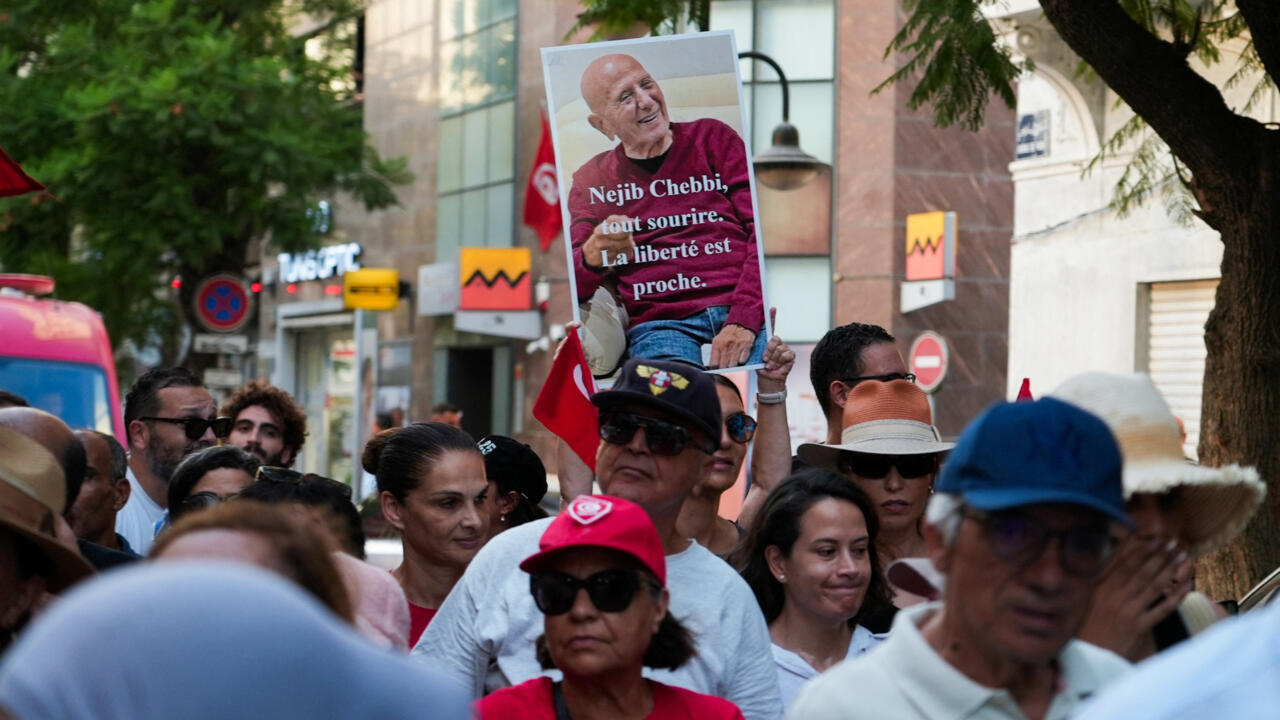
Tunisia’s Cassation Court has delivered a final, non-appealable ruling upholding prison sentences of up to 45 years for a group of opposition leaders, lawyers, and businessmen. The decision concludes three years of legal proceedings involving 40 individuals charged with conspiring to overthrow President Kais Saied, marking one of the country’s largest recent political prosecutions.
The court confirmed that 20 of the defendants, who had fled abroad, were sentenced in absentia. Among those with their sentences upheld are prominent figures Ghazi Chaouachi, Issam Chebbi, Jawhar Ben Mbarek, and Ridha Belhaj, each receiving a 20-year term. Politician Noureddine Bhiri was sentenced to 10 years, while National Salvation Front leader Nejib Chebbi, who was also part of the group, received a 12-year sentence.
The ruling has intensified debate over the independence of the Tunisian judiciary. Lawyer Haifa Chebbi, daughter of Nejib Chebbi, stated that the verdict confirms the courts are not independent. She argued that the defendants entered prison by political decision and would only be released when President Saied’s rule ends.
President Saied has consistently maintained that the judiciary remains independent and that he has not become a dictator. In 2023, when most of the defendants were arrested, he described the politicians as “traitors and terrorists,” suggesting that judges who might acquit them were their accomplices. The justice minister has similarly framed the case as an attempt by the defendants to destabilise the country.
Critics and rights groups point to structural changes in the government since 2021 to support their claims of judicial control. Since suspending parliament and seizing extraordinary powers, President Saied has ruled by decree. In 2022, he dissolved the independent Supreme Judicial Council and dismissed dozens of judges, moves that opponents say have allowed him to influence the legal system.
The finality of the Cassation Court’s decision means no further appeals are possible, solidifying the legal outcome for the accused. For the opposition, the verdict represents a significant consolidation of executive power, while the government views it as a necessary measure to restore stability.