Trump’s Irish unity remarks leave US policy unchanged, officials say
The US president repeated his support for a united Ireland during a two-day visit, but former officials said Washington remained committed to the Good Friday Agreement.
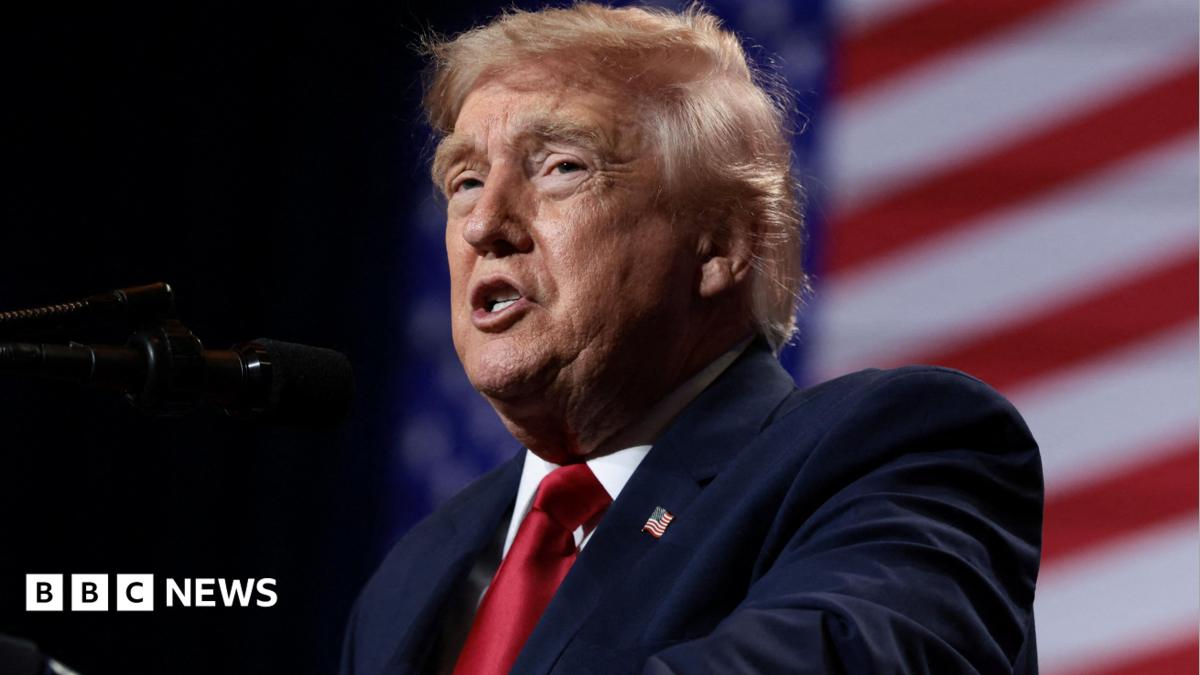
US President Donald Trump has said he would “love” to see Ireland unified, prompting questions over whether the remarks represented a change in American policy towards Northern Ireland.
Trump first made the comments during a press conference with Irish Taoiseach Micheál Martin and repeated them later in a speech at the US ambassador’s residence. He said unification would eventually happen, presenting it as a future possibility rather than an immediate policy objective.
The remarks drew attention because the Good Friday Agreement remains the stated basis of US engagement on Northern Ireland. Mick Mulvaney, a former Republican congressman and Trump’s special envoy to Northern Ireland during his first term, said the comments did not represent a shift in US foreign policy.
Democratic Congressman Brendan Boyle also said bipartisan support for the agreement remained unchanged. Both men accepted that Irish unification could eventually occur, but said this did not mean the United States was preparing to actively promote it.
BBC analysis raised the possibility that Trump’s comments were partly directed at Irish-American independent and swing voters ahead of the US midterm elections. About one-tenth of the US population claims Irish heritage, although Irish-American voters are not a single voting bloc and Trump’s electoral intent was not confirmed.
The remarks came during meetings involving Martin and Irish President Catherine Connolly. They also recalled the longstanding political importance of US engagement with the Irish peace process, including former president Bill Clinton’s outreach to Irish-American voters before work that helped establish the Good Friday Agreement.