Trump’s control over Israel’s Iran strikes disputed as oil prices surge
Al Jazeera reports that Israeli military operations in Iran highlight a failure by President Donald Trump to restrain Prime Minister Benjamin Netanyahu, despite his public claims of oversight.
Israel has conducted military strikes on Iranian territory, a development that Al Jazeera has characterised as exposing President Donald Trump’s inability to restrain Israeli Prime Minister Benjamin Netanyahu. The escalation marks a significant rupture in a fragile ceasefire that had been established between the two nations approximately two months prior, leading to a cycle of reciprocal strikes across the region.
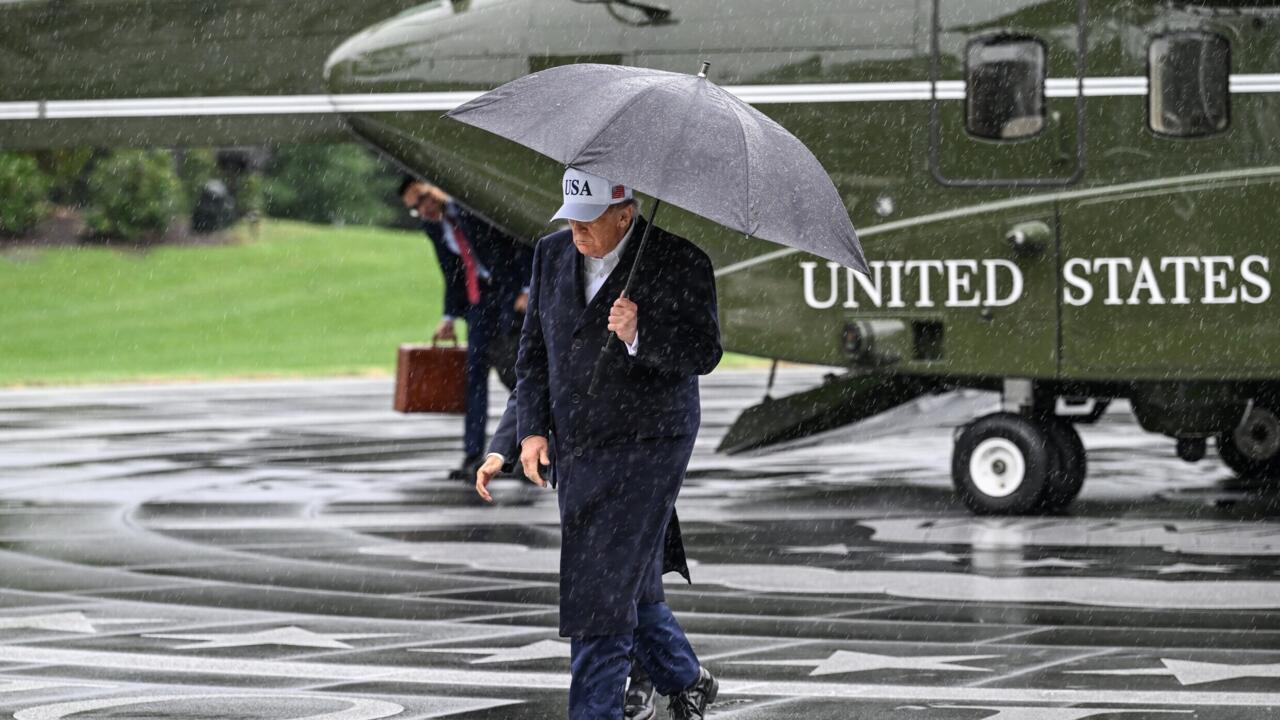
In interviews with the Financial Times and Fox News, President Trump asserted that he controls the decision-making process regarding the conflict. He reportedly stated that he had instructed Prime Minister Netanyahu not to retaliate against Iran, emphasising his role in managing the diplomatic and military response to the growing tensions.
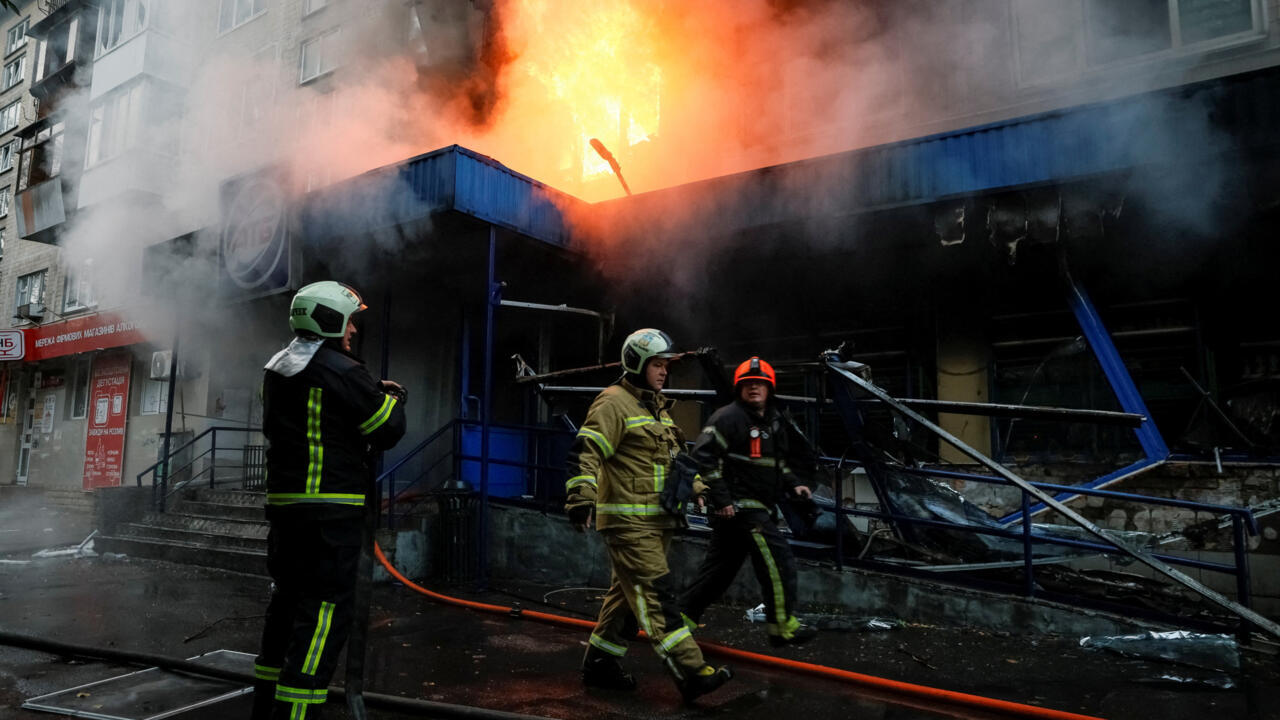
However, the continuation of Israeli military operations suggests a divergence between Washington’s stated directives and Tel Aviv’s actions. The strikes targeted locations in Tehran, Tabriz, and Isfahan, underscoring the volatility of the security landscape as both nations resume hostilities following the fracture of the recent truce.
In response to the Israeli attacks, Iran’s Revolutionary Guards targeted the headquarters of groups it described as "terrorist groups" in Sulaymaniyah, located in Iraqi Kurdistan. The Islamic Revolutionary Guard Corps and the Israeli Defence Forces are now engaged in active military operations, with the conflict also affecting areas such as Beirut in Lebanon.
The geopolitical instability has had immediate economic repercussions, with oil prices surging by more than 4% on Monday. The sharp increase in energy benchmarks reflects heightened market anxiety over potential supply disruptions and the prospect of a prolonged regional conflict.
US President Donald Trump reportedly spoke with Prime Minister Netanyahu on Sunday night, urging restraint and reiterating his instruction against retaliation. Despite these efforts to de-escalate the situation, the military exchanges continue, raising questions about the extent of American influence over Israeli strategic decisions.
The long-term impact on regional stability remains uncertain as the ceasefire remains broken. The current hostilities have reignited fears of a broader conflict, with global markets closely monitoring the situation for signs of further escalation or diplomatic intervention.