Trump’s claim of secret US oil operation through Hormuz contradicted by shipping data
President Donald Trump asserted the US military facilitated the transit of 100 million barrels of oil through the Strait of Hormuz, but independent shipping data and cabinet statements suggest the volume is significantly lower and largely authorised by Tehran.
US President Donald Trump asserted on Wednesday that the United States military had secretly facilitated the transit of 100 million barrels of oil through the Strait of Hormuz, bypassing Iranian restrictions. Speaking from the Oval Office and later on Truth Social, Trump claimed the operation kept Tehran “blindsided” and attributed the stability of oil prices around $90 a barrel to the effort. He stated that more than 200 commercial ships had safely travelled through the strait as part of a “secret mission” directed last month, asserting that the United States controlled the waterway rather than Iran.
The claim has drawn immediate scrutiny from within the US administration and independent analysts. Energy Secretary Chris Wright, testifying before a congressional hearing on the same day, stated he was unaware of any large-scale secret operation involving millions of barrels of oil. While Wright confirmed that the military had assisted in moving some oil out of the narrow passage, he clarified that the vessels involved were not Iranian. This divergence in information between the President and his cabinet member highlights the uncertainty surrounding the extent of US military involvement in commercial shipping through the chokepoint.
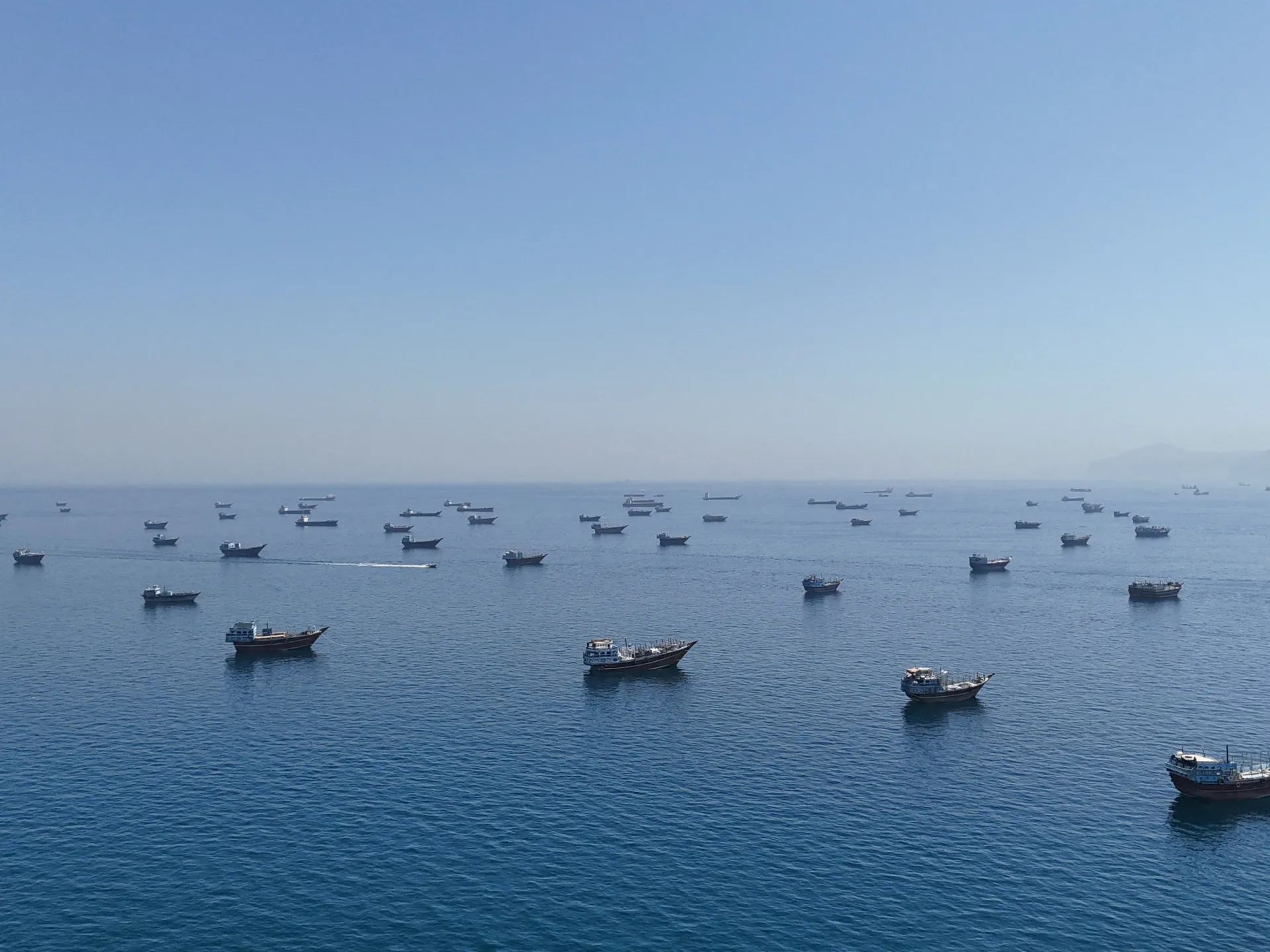
Independent shipping data indicates that the volume of oil transited is far below the 100 million barrels claimed by the White House. Before the conflict began, the strait handled approximately 20 million barrels per day, meaning Trump’s figure would equate to five days of pre-war output. However, tracking firms report significantly lower transit numbers since tensions escalated in March. Windward recorded nearly 80 commercial ships leaving the Gulf in the last five weeks, Lloyd’s List estimated 142 vessels had departed since March, and Kpler recorded 264 transits. Even the highest figure falls well short of the maritime traffic required to move 100 million barrels.
Furthermore, evidence suggests that many of the vessels transiting the strait did so with Iranian authorisation rather than through a secret US scheme. Iran has introduced insurance-like charges, effectively acting as a toll booth, to authorise transits, with some ships reportedly making payments in yuan to secure passage. Oscar Seikaly, CEO of NSI Insurance Group, noted that while paying Iran is economically preferable to remaining stranded, it exposes operators to sanctions, legal, and reputational risks. The Islamic Revolutionary Guard Corps maintains a firm grip on the waterway, negotiating transit for countries friendly to Tehran, including Pakistan, India, and Russia.
The US has imposed a naval blockade on Iranian ships and ports, complicating the flow of energy supplies. While US Central Command stated that forces “communicate and coordinate” with commercial ships in the area, it declined to provide details on specific operations. Critics argue that Iran’s imposition of fees is an illegal toll in an international waterway, though Tehran maintains the strait is shared exclusively between Iran and Oman. As the conflict continues, the discrepancy between the White House’s narrative and the reality on the water remains a focal point of geopolitical and economic analysis.