Trump’s AI videos: Memes or psychological warfare?
The US President’s recent reliance on AI-generated footage depicting military strikes has sparked debate over the strategic intent behind the posts.
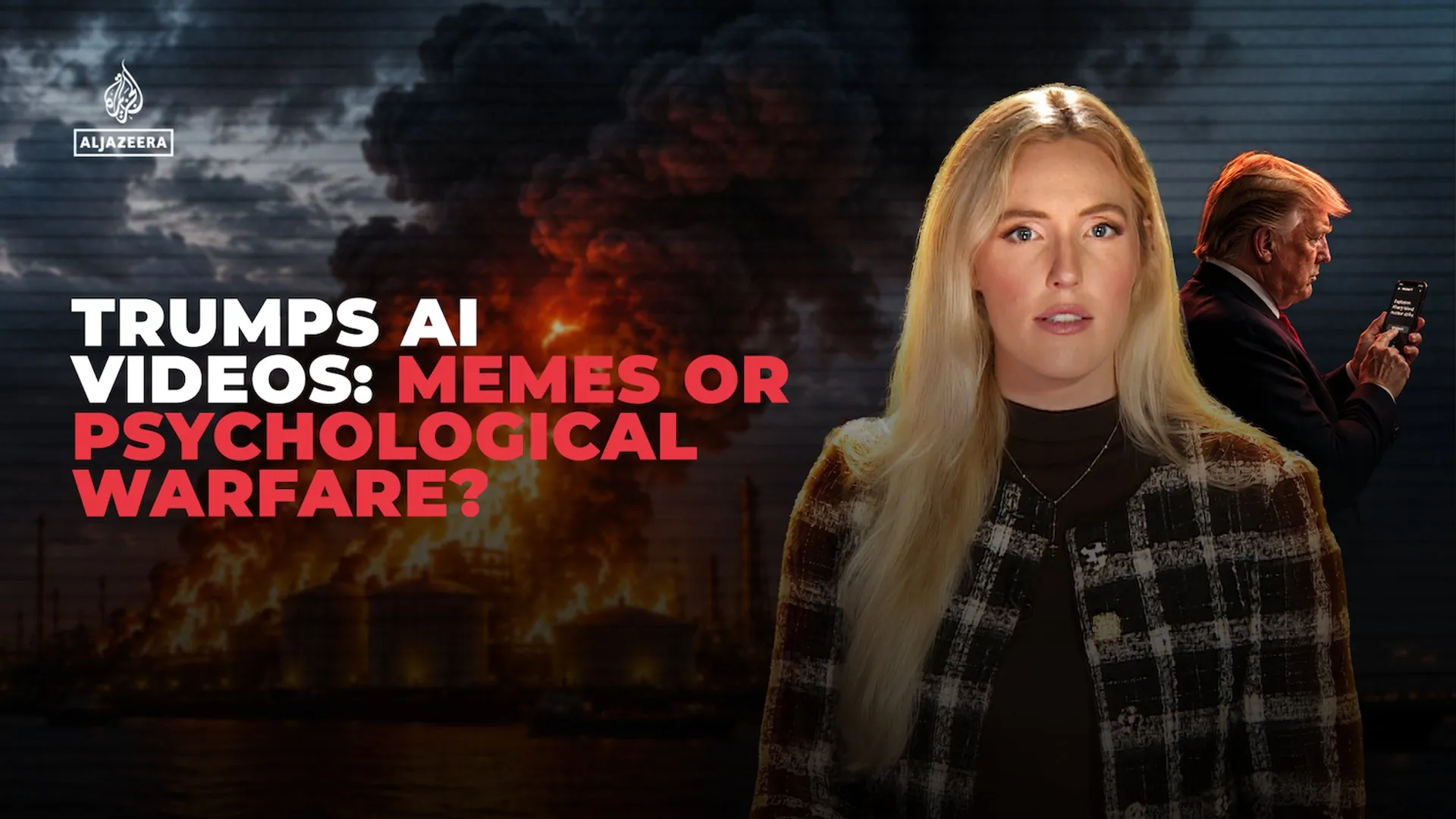
Donald Trump’s utilisation of AI-generated content has intensified in recent months, with the US President posting videos that depict fake military strikes. This shift in communication strategy has prompted observers to question whether the digital assets serve as mere entertainment or function as a deliberate instrument of statecraft.
According to Al Jazeera, the volume of such content has ramped up significantly. The specific inclusion of videos purporting to show military action has drawn scrutiny regarding the precision of the terminology used to describe these events. Without specific examples cited in the initial reporting, the strikes are characterised as depicted rather than confirmed, highlighting the gap between digital representation and on-the-ground reality.
The debate over the nature of these posts has been framed as a choice between memes and psychological warfare. This classification remains uncertain, with analysts questioning the specific intent behind the videos. The ambiguity suggests that the content may be designed to influence public perception without the clear accountability typically associated with traditional press releases or official military briefings.
This development occurs against a backdrop of heightened geopolitical tensions. In June 2026, a 60-day ceasefire between the US and Iran collapsed, adding a layer of complexity to the diplomatic landscape. The introduction of AI-generated military imagery into this environment raises questions about how such tools might be perceived by foreign counterparts and domestic audiences alike.
Domestic economic policy has also seen significant movement during this period. On 24 August 2026, President Trump announced a 50 per cent tariff increase on Canadian auto imports. This trade dispute, which is set to take effect on 1 January 2027, underscores the administration’s active engagement with both economic and security fronts simultaneously.
The precise timeline for the increase in AI content usage is not specified beyond the description of "recent months." However, the convergence of these digital communications with tangible policy shifts in trade and ceasefire negotiations suggests a broader institutional trend. As governance increasingly intersects with technology, the role of AI in shaping political narratives becomes a focal point for policy analysis.
The situation highlights a growing need to distinguish between performative content and strategic messaging. For institutions monitoring US foreign policy, the source and intent of these videos are critical variables. Whether they are viewed as cultural memes or tactical psychological operations, their impact on the current geopolitical climate is a subject of ongoing assessment.