Trump-Xi summit in Beijing aims to chart long-term superpower trajectory despite limited immediate gains
A high-profile bilateral meeting in Beijing focuses on stabilising relations through private sector involvement and addressing critical strategic issues, though substantive agreements remain unlikely within the brief schedule.
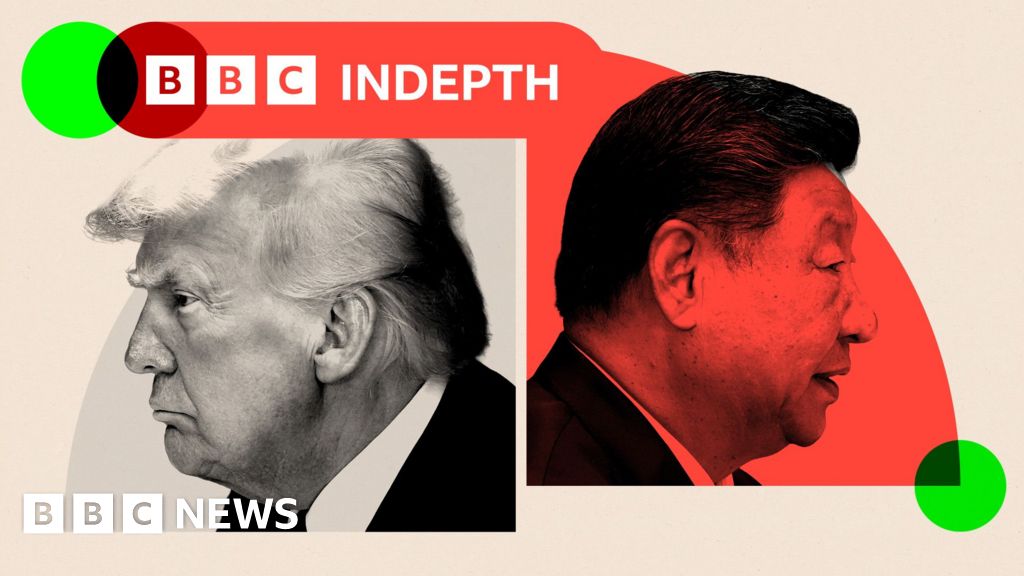
US President Donald Trump has concluded a high-profile summit in Beijing with President Xi Jinping, marking the most significant bilateral engagement between the two nations in years. The itinerary included formal talks, a state banquet, and a tour of the Temple of Heaven, set against heightened security measures around Tiananmen Square. While the brief schedule limits the likelihood of immediate substantive agreements, the encounter aims to establish the trajectory for future superpower relations over the coming years.
Key discussion points centred on global trade tensions, the conflict in the Middle East, and competition in advanced technologies. China is currently acting as a mediator between the US, Israel, and Iran, a role Beijing has emphasised during the talks. Reports indicate that the US and China are exploring a potential policy trade-off involving high-end computer chips from the US in exchange for Chinese rare earth minerals, which China processes around 90 per cent of the world's supply.
Signalling a shift towards private sector engagement alongside state diplomacy, the Trump administration invited CEOs from major US corporations, including Nvidia, Apple, Exxon, and Boeing, to accompany the President on the visit. This move underscores the administration's intent to address commercial interests directly as part of the broader diplomatic framework.
The visit follows a period of cooling trade tensions since a face-to-face meeting in South Korea last October, partly due to a February Supreme Court decision curtailing the President's unilateral tariff powers. US Secretary of State Marco Rubio confirmed that Taiwan would be a topic of conversation, with the stated goal of preventing it from becoming a source of new tension, though the US aims to ensure language regarding Taiwan independence is clarified.
For its part, China has signalled that Taiwan is a priority in these talks, with Foreign Minister Wang Yi hoping the US would make the right choices. The encounter also addresses the race for advanced technology, where the US accuses China of industrial scale theft of American AI models, while Beijing relies on US high-end chips to advance its own robotics and semiconductor industries.
Ultimately, while the brief schedule may not yield immediate policy resolutions, the summit serves to reset the framework for negotiations. The outcome depends heavily on whether the leaders can navigate the delicate balance between economic leverage, security guarantees, and technological competition without destabilising the Indo-Pacific region.