Iran demands US acceptance of 14-point peace plan as ceasefire hangs by a thread
The parliamentary speaker's ultimatum follows a stalemate where the US maintains a naval blockade despite a previous ceasefire, creating uncertainty over the conflict's resolution.
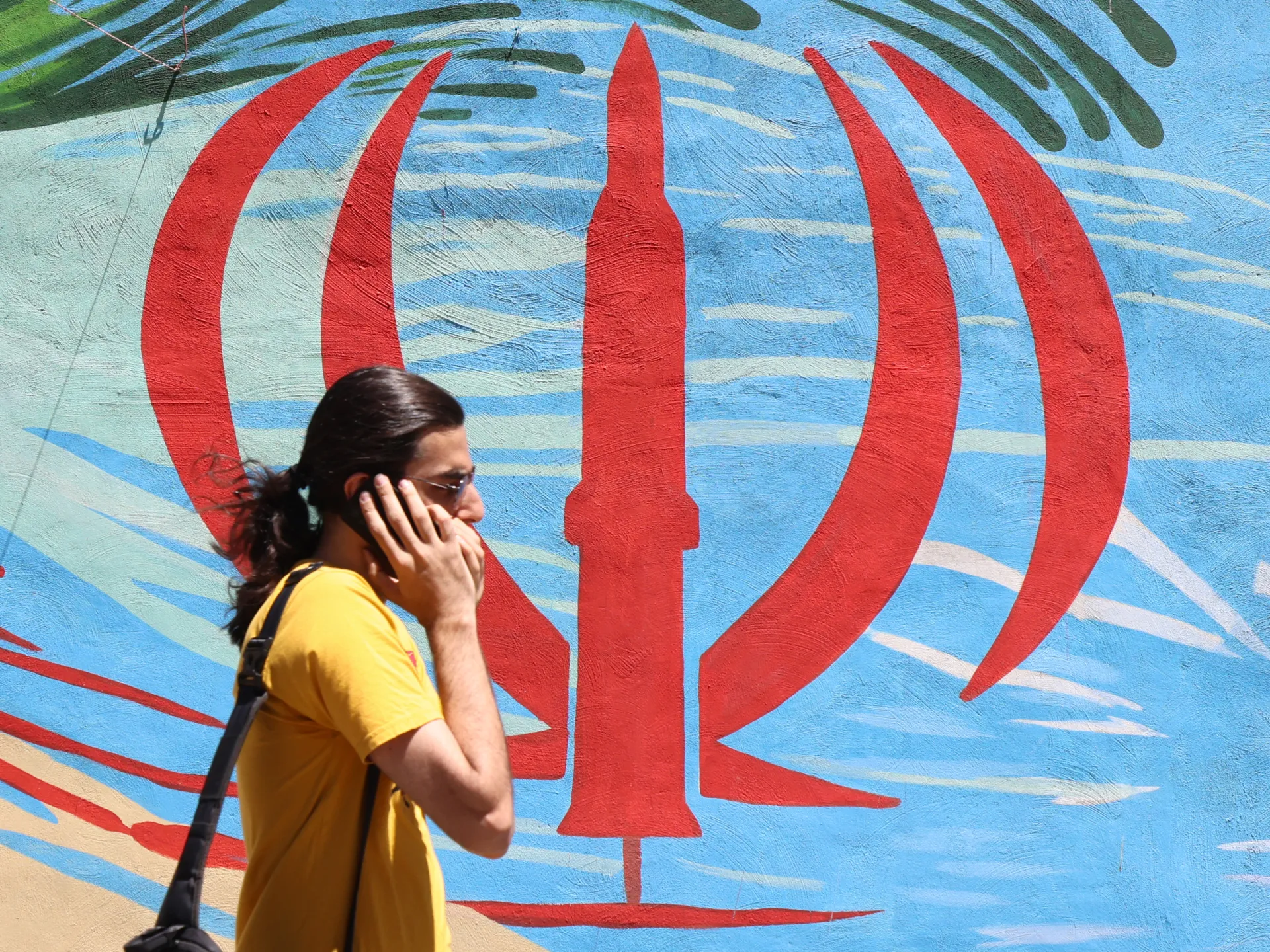
Iran's powerful parliamentary speaker has issued a definitive ultimatum to the United States, stating that Washington has no alternative but to accept Tehran's 14-point proposal to end the war. This assertion comes as the prospect of a lasting ceasefire remains uncertain and hangs by a thread, with hostilities continuing across multiple fronts. The proposal, which was formally presented to the US, seeks an immediate cessation of all hostilities, including Israeli attacks on Hezbollah in Lebanon, and demands a halt to the US naval blockade of Iranian ports.
The diplomatic standoff is characterised by a fundamental disagreement over the conditions for peace. While Iran's foreign ministry spokesperson, Esmail Baghaei, has defended the offer as responsible and generous, President Donald Trump has publicly rejected the proposal. The US President has labelled the potential ceasefire as weak, maintaining that American terms must be met, which reportedly include a suspension of nuclear enrichment and the lifting of sanctions contingent on a final agreement.
The current impasse is set against a backdrop of escalating tensions that began with massive air strikes launched by Israeli and US forces on Iran on 28 February. Although a ceasefire agreement was established last month, the United States continues to enforce a naval blockade to pressure Tehran into accepting its specific terms. This ongoing pressure tactic has prevented the full implementation of the previous truce, leaving the region in a state of high alert and contributing to a significant surge in petrol prices.
The economic ramifications of the stalled conflict have reached domestic audiences, prompting the Trump administration to address the rising cost of fuel. In response to the surge in petrol prices driven by the uncertainty of the war, President Trump has announced an intention to suspend the 18-cent federal petrol tax. This move aims to alleviate the financial burden on consumers while the geopolitical situation remains volatile and the fate of the 14-point proposal remains unresolved.
As the parliamentary speaker insists that the US must adopt Tehran's framework, the details of the full proposal remain largely unverified in public discourse. The exact timeline for a US response to this ultimatum is unknown, and it remains unclear whether the naval blockade will be lifted should the proposal be accepted. The situation underscores the fragility of the current diplomatic channel, where institutional demands for policy shifts clash with executive rejections of those same terms.