Trump warns of 'economic D-Day' for nations trading with Iran
The US President has threatened a coordinated economic offensive against third-party countries that assist or conduct business with Tehran, extending an existing pressure campaign.
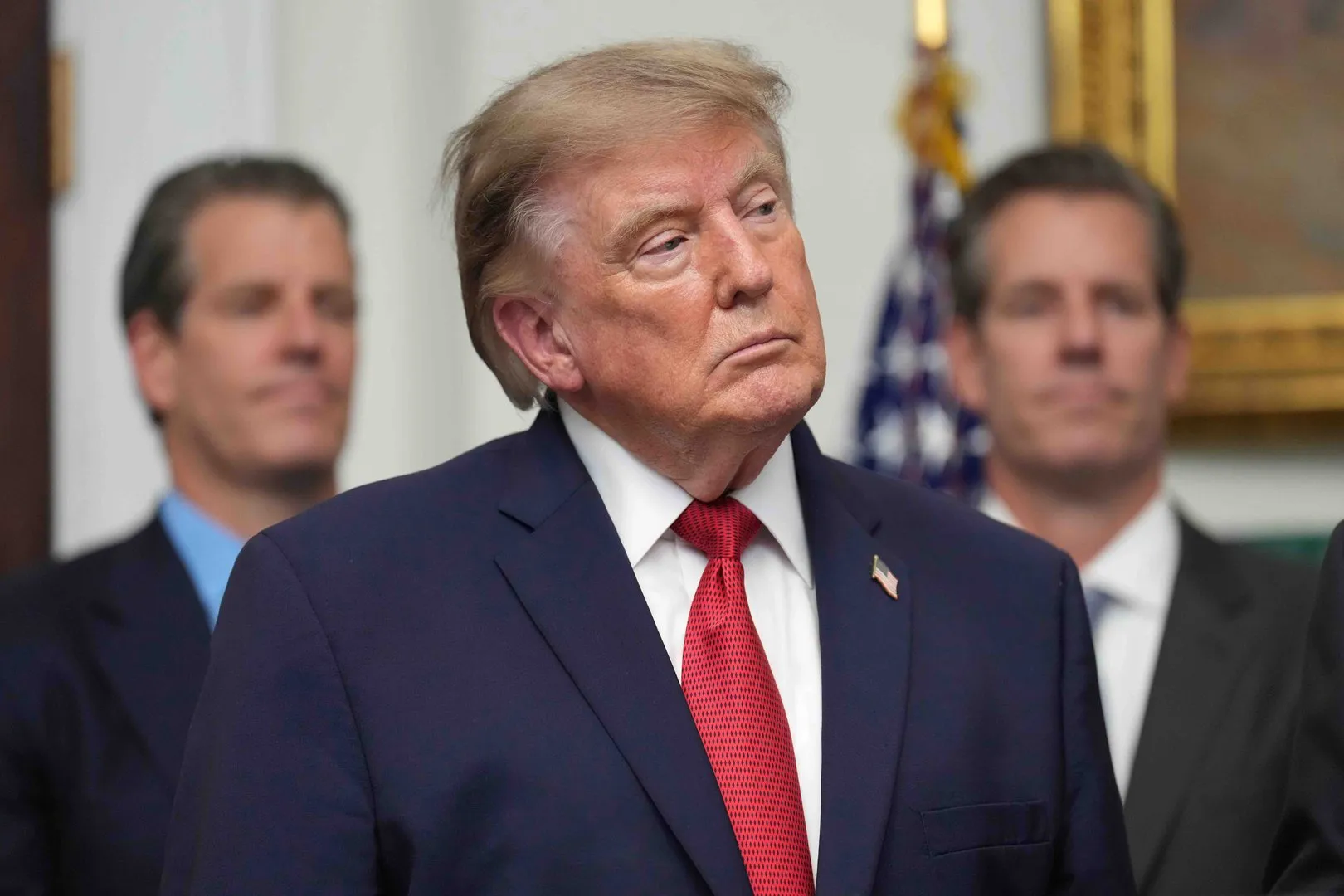
US President Donald Trump has threatened to launch what he described as an "economic D-Day" against any nations that assist or conduct business with Iran. The statement marks a significant escalation in the administration's approach to Tehran, shifting the focus of economic pressure from the Iranian government itself to its international partners.
According to Al Jazeera Global News, the threat specifically targets countries that "help or do business with Iran." By framing the potential sanctions as a major offensive, the administration is signalling a move towards more aggressive economic measures. This rhetoric extends a broader pressure campaign that was initiated by the US administration in recent weeks.
The development follows previous declarations in which the US government stated it was in a state of economic warfare against Iran. At that time, officials warned of "tremendous" consequences for the nation's supporters, indicating that the current threat is part of a sustained strategy to isolate Tehran economically.
The use of the term "economic D-Day" serves as a rhetorical metaphor for a large-scale, coordinated economic action. However, the specific mechanisms or sanctions that would constitute this offensive have not been detailed in the available reporting. It remains unclear which specific countries are currently considered to be "helping" Iran or are directly targeted by this new warning.
From a governance perspective, this shift highlights the administration's intent to leverage economic power to influence the behaviour of third-party states. The strategy aims to cut off Iran's access to global markets by penalising any nation that maintains commercial ties with Tehran.
The lack of specific details regarding the implementation of these measures leaves significant uncertainty for international markets and diplomatic partners. As the administration moves from general warnings to specific threats against foreign entities, the potential for wider geopolitical disruption increases.