Hormuz shipping data reveals operators prioritise Iranian compliance over US blockade
Maritime intelligence indicates a significant shift in transit behaviour, with the majority of vessels masking identities to avoid Iranian retaliation despite active US naval enforcement.
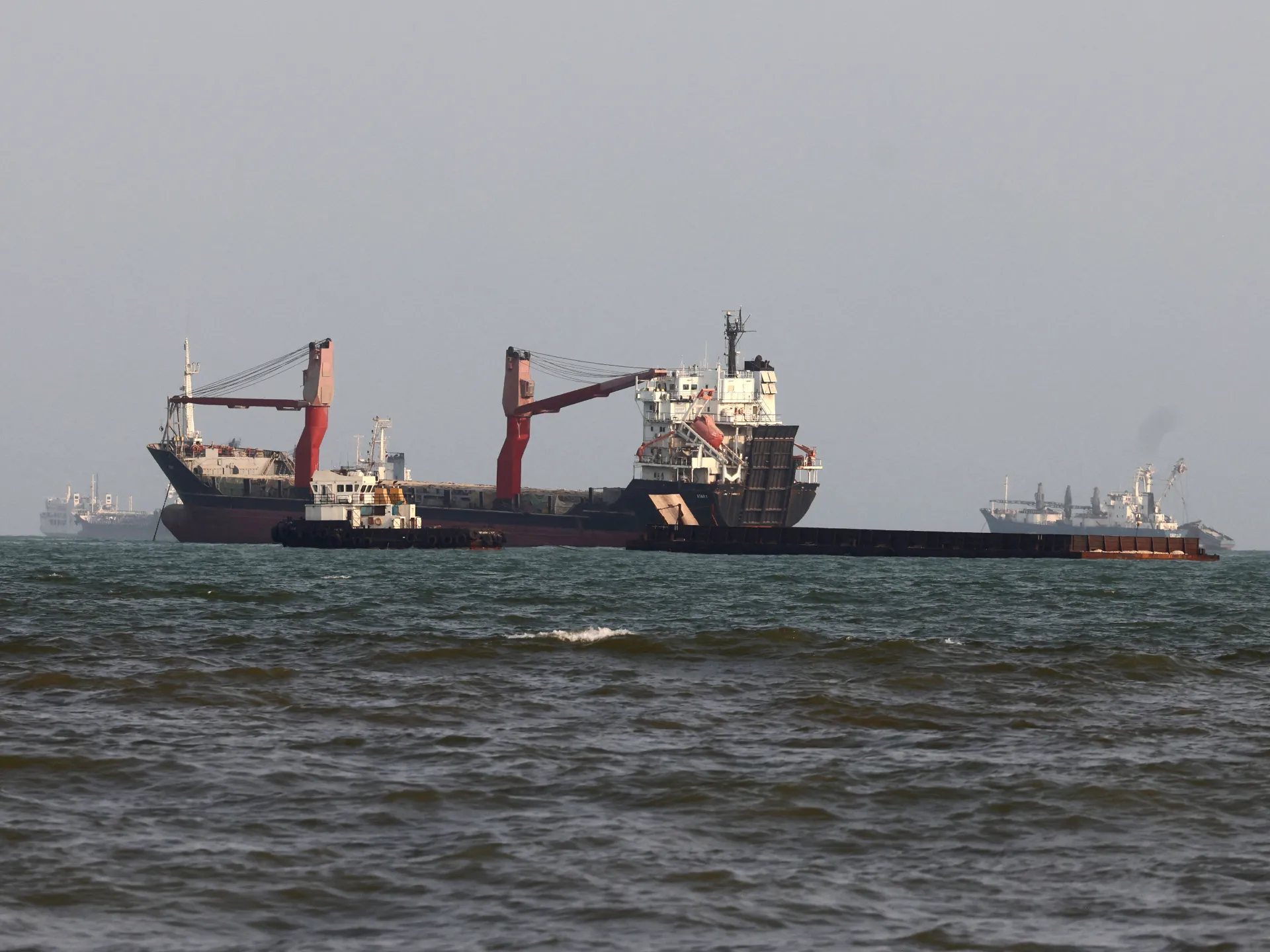
Maritime intelligence data from Kpler indicates that shipping operators transiting the Strait of Hormuz are increasingly prioritising avoidance of Iranian retaliation over compliance with US naval directives. Between August 1 and 19, 2026, 236 vessels passed through the waterway. Of this total, 148 ships utilised dark or unclassified routes, a practice involving the disabling of Automatic Identification System (AIS) transponders to obscure their precise location and movements.
Among the vessels that openly declared a route, the disparity in compliance is stark. Eighty-three ships used the Iranian route, which hugs the coastline near Larak and Qeshm Islands, while only three vessels used the Omani route, the corridor favoured by Washington. Two additional ships used the pre-war central route. This pattern suggests that the threat of Iranian enforcement outweighs the risk of defying the US naval blockade, despite the presence of the US Navy in the region.
The behaviour is particularly pronounced among energy carriers. Of the 112 vessels transporting crude oil, liquefied petroleum gas, and liquefied natural gas during the same period, 21 openly used the Iranian route. Only two formally used the Omani route, with the remaining 89 vessels, representing more than 80 per cent of oil and gas traffic, travelling on dark routes. Kpler noted that the nature of dark routing makes it highly difficult to determine the precise proportion of these vessels that may have actually used the Omani route.
Experts suggest that the widespread use of dark routing is driven by a combination of security concerns and logistical workarounds. Some Gulf countries, including Saudi Arabia, Iraq, and Kuwait, are reportedly using ship-to-ship transfers and disabling vessel tracking to move shipments through the Omani route without detection. Conversely, Iranian vessels are using the Omani route and altering documentation to appear as Omani exports, thereby evading sanctions and the US blockade.
The conflict has significantly reduced traffic volumes compared to pre-war levels, when approximately 130 ships transited the strait daily. The disruption has had immediate economic consequences, driving Brent crude prices to $92.9 per barrel as of August 20, following a surge past $100 on July 23. The US has accused vessels of attempting to break its blockade, including the firing of Hellfire missiles at the Panama-flagged Vela Nova on August 11, while the UAE has accused Iran of attacking ADNOC tankers.
Analysts indicate that while Iran retains significant capacity to disrupt maritime traffic, the growing use of alternative logistics arrangements suggests its control is not absolute. The inability to conclusively track the majority of vessels complicates the assessment of who truly controls the strait, but the data clearly shows a preference among operators to avoid offending Tehran. This dynamic continues to influence global energy markets and the broader geopolitical standoff between the US and Iran.