Trump suspends Iran strike amid Gulf diplomatic pressure and stalled negotiations
As regional leaders urge de-escalation to protect the Strait of Hormuz, Washington maintains a fragile ceasefire while demanding significant concessions from Tehran.
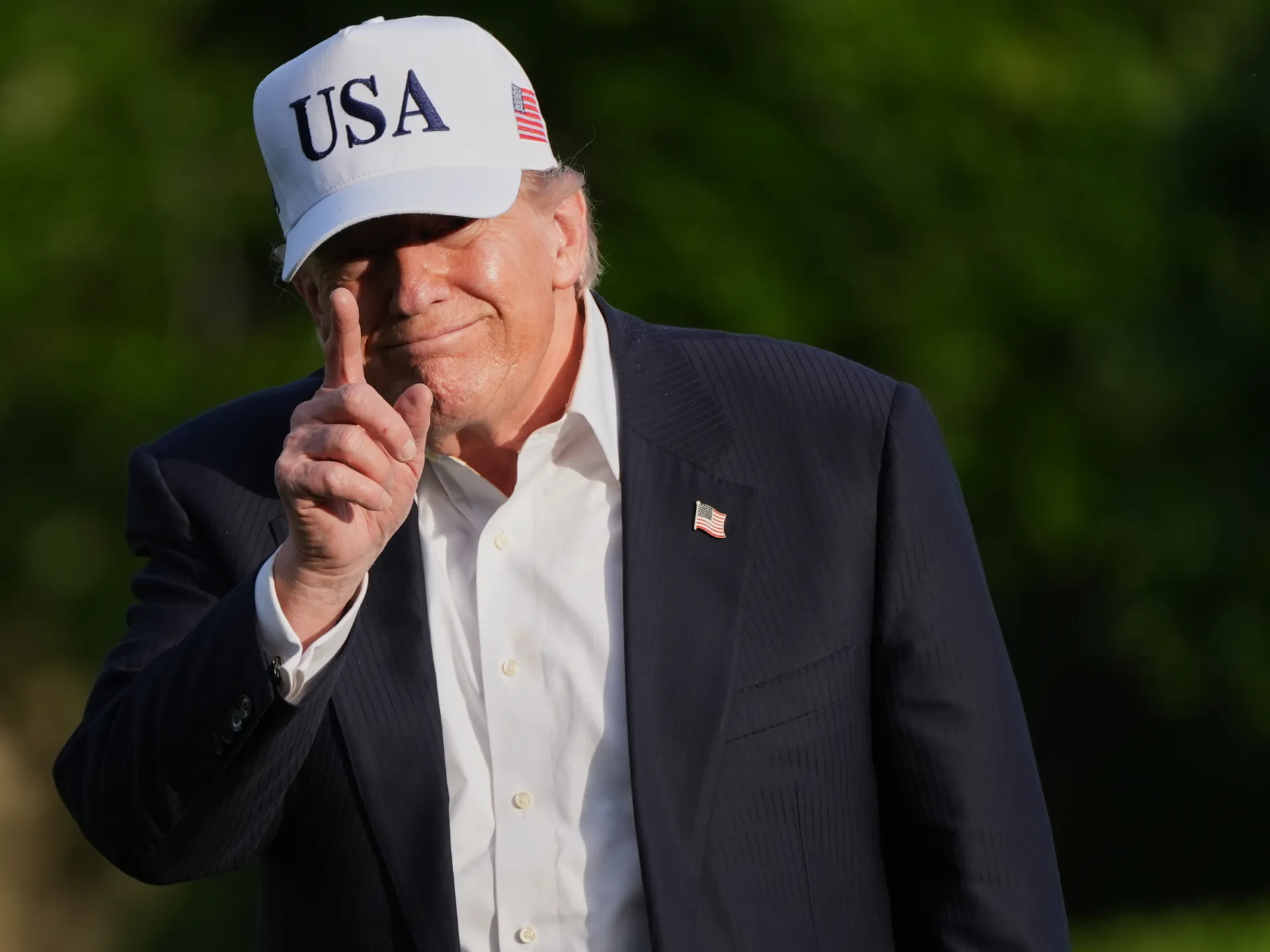
United States President Donald Trump has postponed a scheduled military strike against Iran, citing the commencement of serious negotiations and direct interventions from regional leaders. The decision, announced on his Truth Social account on Monday, 18 May 2026, marks a temporary halt to hostilities that have characterised the past three months in the Persian Gulf. Trump credited Qatari Emir Tamim bin Hamad Al Thani and Saudi Crown Prince Mohammed bin Salman with influencing the reversal, stating that a deal acceptable to the United States and Middle Eastern countries was now within reach.
Despite the suspension, Trump instructed Secretary of War Pete Hegseth and Joint Chiefs Chairman General Daniel Caine to maintain readiness for a full-scale assault. He warned that military action would proceed on a moment’s notice if an acceptable agreement is not reached. The President reiterated that any deal must include a prohibition on nuclear weapons for Iran, describing nuclear capability as a red line. Additional US demands reportedly include severing Iran’s ties to regional allies and dismantling its missile arsenal and navy.
The delay occurs against the backdrop of a conflict that began on 28 February 2026, when the US joined Israel in launching air strikes on Iranian targets. Tehran responded with retaliatory drone and missile attacks, prompting a fragile ceasefire agreement on 8 April 2026. This truce has been marred by mutual accusations of violations and ongoing diplomatic friction. In late April, Trump had withdrawn envoys Steve Witkoff and Jared Kushner from negotiations in Pakistan due to frustration with the progress, only to signal a potential shift in demands by Friday, suggesting acceptance of a 20-year suspension of Iran’s nuclear programme.
Gulf states are urging de-escalation primarily to safeguard their own security, particularly concerning missile threats and trade through the Strait of Hormuz. Dania Thafer, executive director of the Gulf International Forum, noted that from the Gulf perspective, the nuclear issue is not the priority. Instead, the core issues are the opening of the Strait of Hormuz and addressing Iran’s missile programme, which has launched thousands of missiles at Gulf states. Iran has maintained its stance on national dignity, with President Masoud Pezeshkian stating that dialogue does not mean surrender and that the government would protect national interests.
The war has imposed significant political and economic costs on the United States. Pentagon officials estimate the conflict has cost at least $29bn, with some experts suggesting the figure could be higher. A New York Times poll released on Monday found that 64% of US adults believe the war was the wrong decision. As negotiations continue with Pakistan acting as a mediator, analysts suggest Trump’s rhetoric may be partly directed at Gulf states facing missile fire, rather than solely at Iran, as Washington seeks to balance its strategic objectives with regional stability.