Victoria infrastructure at risk from climate hazards as Queensland floods hit roads
New modelling shows extreme weather threats are escalating, with projected risk values rising to over $71bn by 2070, while immediate operational disruptions continue in Queensland.
More than $57 billion of public infrastructure across Victoria is projected to be at risk from extreme weather events by 2030, according to new research from Infrastructure Victoria. The independent adviser’s assessment covered $318 billion in government-owned or regulated assets, identifying transport, energy and health sectors as the most exposed to climate hazards such as bushfires, flooding and heat.
The modelling indicates a significant escalation in exposure over the coming decades, with the value of infrastructure at risk expected to increase to more than $71 billion by 2070. Dr Jonathan Spear, chief executive of Infrastructure Victoria, stated that the findings underscore the urgent need for climate-resilient infrastructure. He noted that following a summer characterised by bushfires, flooding and landslides across Victorian communities, extreme weather is a current reality rather than a future projection.
Spear emphasised that the government must update and fund its adaptation plans to mitigate these growing threats. He argued that funding high-priority, cost-effective infrastructure adaptation actions could save millions in recovery costs and lost productivity, highlighting the economic imperative for proactive investment in resilience.
Erwin Jackson, head of Australia programs at the Climateworks Centre, who was not involved in the research, commented that policy frameworks need to integrate emissions reduction with adaptation strategies. He pointed to key risks including heat, bushfire and coastal inundation, noting that the scale of investment required to make infrastructure more resilient is substantial.
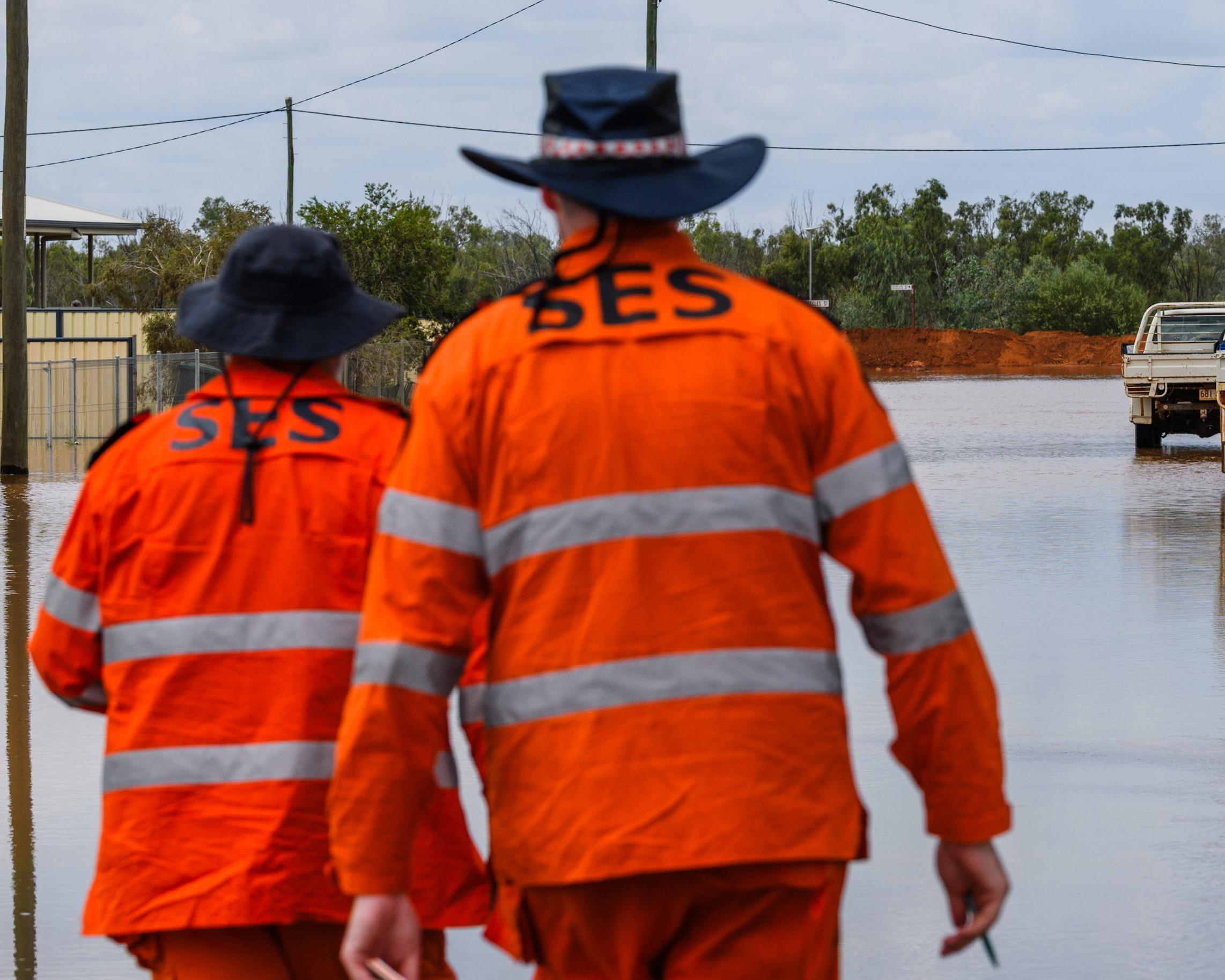
Jackson advised that governments must identify the most vulnerable communities and assets, and collaborate with the private sector to unlock necessary investment in adaptation and resilience building. This call for public-private cooperation comes as immediate weather impacts continue elsewhere, with flash flooding currently affecting road networks in Queensland.