Trump signs executive order to separate MMR vaccine and review school mandates
The directive mandates the Department of Health and Human Services to develop a plan for splitting the measles, mumps, and rubella vaccine into individual shots and reassessing immunisation schedules.
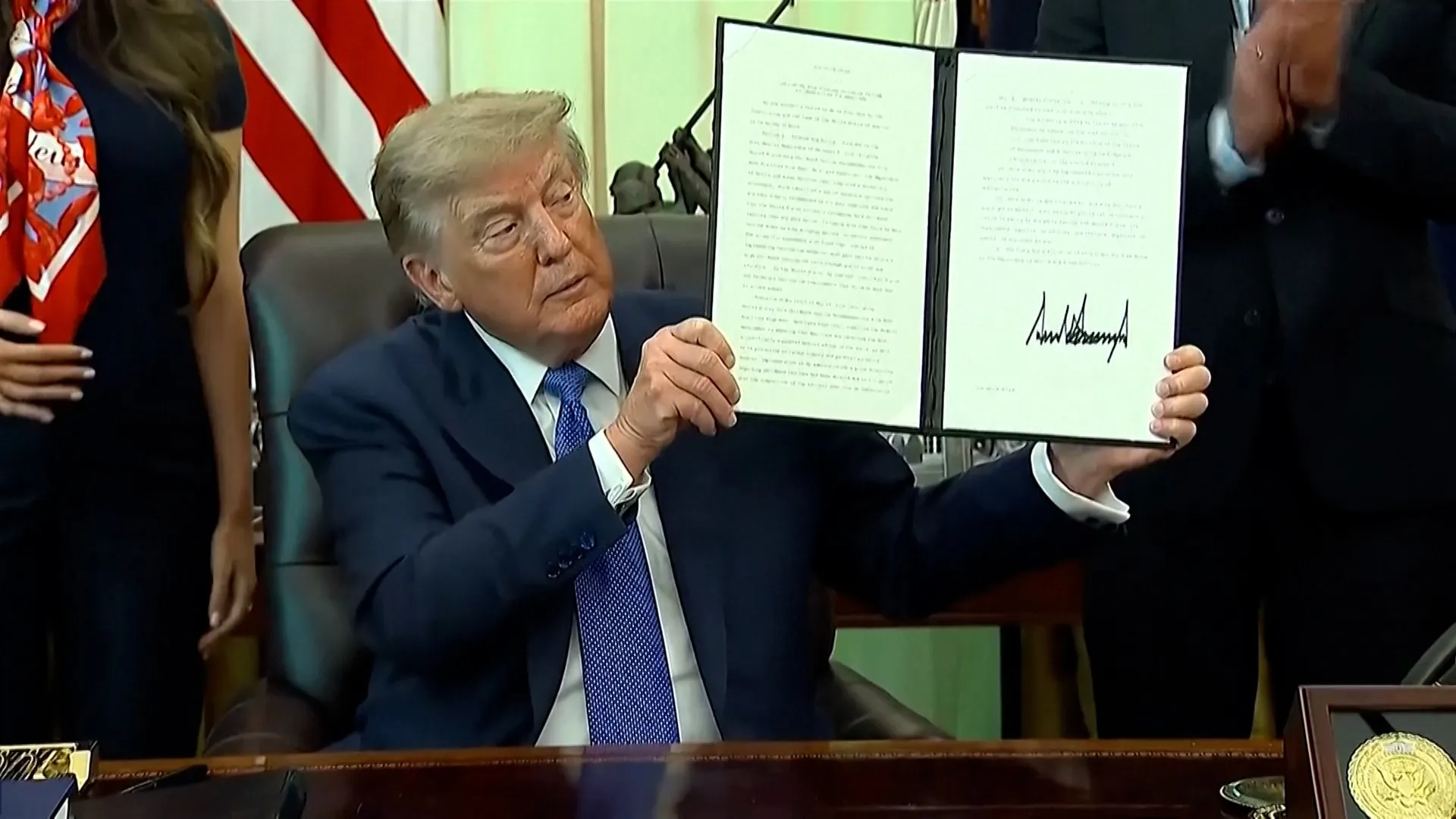
US President Donald Trump has signed an executive order directing a fundamental restructuring of childhood vaccination policy, requiring the separation of the combined measles, mumps, and rubella (MMR) vaccine into three individual shots. The directive, signed on Monday, also mandates that the Department of Health and Human Services develop a plan to reduce the number of recommended childhood vaccinations and conduct a comprehensive review of school vaccine mandates.
The policy shift aligns with the agenda of Health Secretary Robert F. Kennedy Jr, who has previously promoted a disproven link between immunisation and autism. The order reaffirms a proposed overhaul that Kennedy attempted to implement in January, which involved removing six vaccines from the childhood schedule. That earlier attempt was blocked by a federal judge during legal proceedings, but Monday’s directive seeks to advance similar changes despite ongoing legal challenges.
The American Academy of Pediatrics and Senator Bill Cassidy have expressed strong opposition to the policy. The medical community continues to support the current vaccination schedule, which includes the combined MMR vaccine as a standard immunisation practice. Critics argue that separating the vaccine increases the number of required visits and potential exposure risks, while proponents within the administration cite safety concerns.
The executive order advises states and territories to review their own vaccination policies in light of the federal directive. While the specific timeline for implementation and the exact number of vaccinations to be removed are not detailed in the order, the mandate places immediate pressure on federal health agencies to formulate new guidelines.
Legal experts note that the order’s final status may be subject to further court rulings, given the precedent set by the January injunction. The timing of the order comes amid a broader measles crisis, which has intensified scrutiny on public health protocols and school entry requirements across the United States.