Trump seeks rural support in Wisconsin as tariff and war costs bite
Rural voters face soaring fertiliser and petrol prices amid the US-Israeli war with Iran, with approval ratings for the administration’s economic management at historic lows.
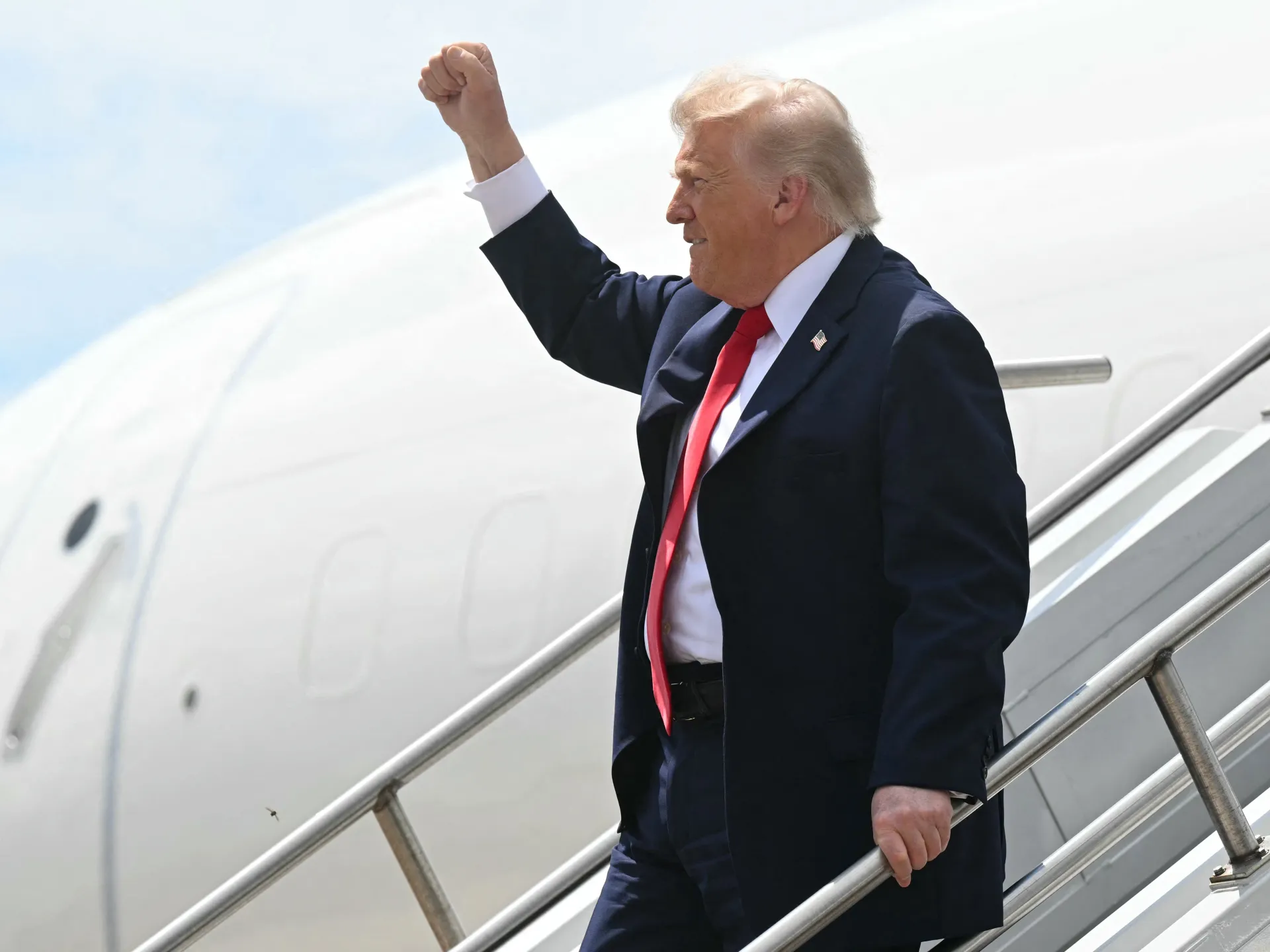
US President Donald Trump visited Chippewa Falls, Wisconsin, on Friday for a farming roundtable, seeking to reassure rural voters affected by tariffs and the economic fallout of the US-Israeli war with Iran. The visit, occurring months before the November midterms, was timed to bolster support for Republican Representative Derrick Van Orden, who currently trails Democrat Rebecca Cook in polls. Democrats are considered favourites to take control of the US House of Representatives, a shift that would restrict the president’s agenda in the final two years of his term.
Trump addressed concerns over high fertiliser and petrol costs, attributing price surges to the conflict and the closure of the Strait of Hormuz. He assured attendees that the administration had “largely finished” the war and vowed that prices for fertiliser and gas would come “way down”. The administration has provided temporary aid to offset tariff impacts, which have made importing items needed for daily operations more expensive and limited imports of US products such as soybeans in response to retaliatory measures.
The economic pressure on agriculture is significant. An April survey by the American Farm Bureau Federation found that 70 percent of US farmers reported they cannot afford all of their fertiliser needs. Costs for key components, including urea, have surged since the war began on February 28. Additionally, the average petrol price was $4.04 per gallon, $1.08 higher than a year ago, according to the American Automobile Association.
Political support for the president remains fragile. Trump’s overall approval rating is hovering at all-time lows, around or under 40 percent. A Marquette Law School poll conducted from May 20-26 found just 19 percent of respondents approved of Trump’s handling of gas prices, and only 22 percent approved of his handling of inflation and cost of living. Several top Republicans have warned that recent actions could risk alienating voters concerned about the economy.
The administration has faced criticism over other financial decisions, including the Department of Justice abandoning a $1.8bn “anti-weaponisation fund” launched to repay individuals alleging they were victims of political prosecutions. Furthermore, Trump has requested $1bn in funding for security for his controversial White House ballroom, despite earlier stating taxpayers would not have to foot the bill.