Trump initiates Section 301 probe into EU over Google antitrust fine
The White House argues the European Union’s Digital Markets Act enforcement unfairly burdens American commerce, prompting a new trade investigation that could lead to significant tariff increases.
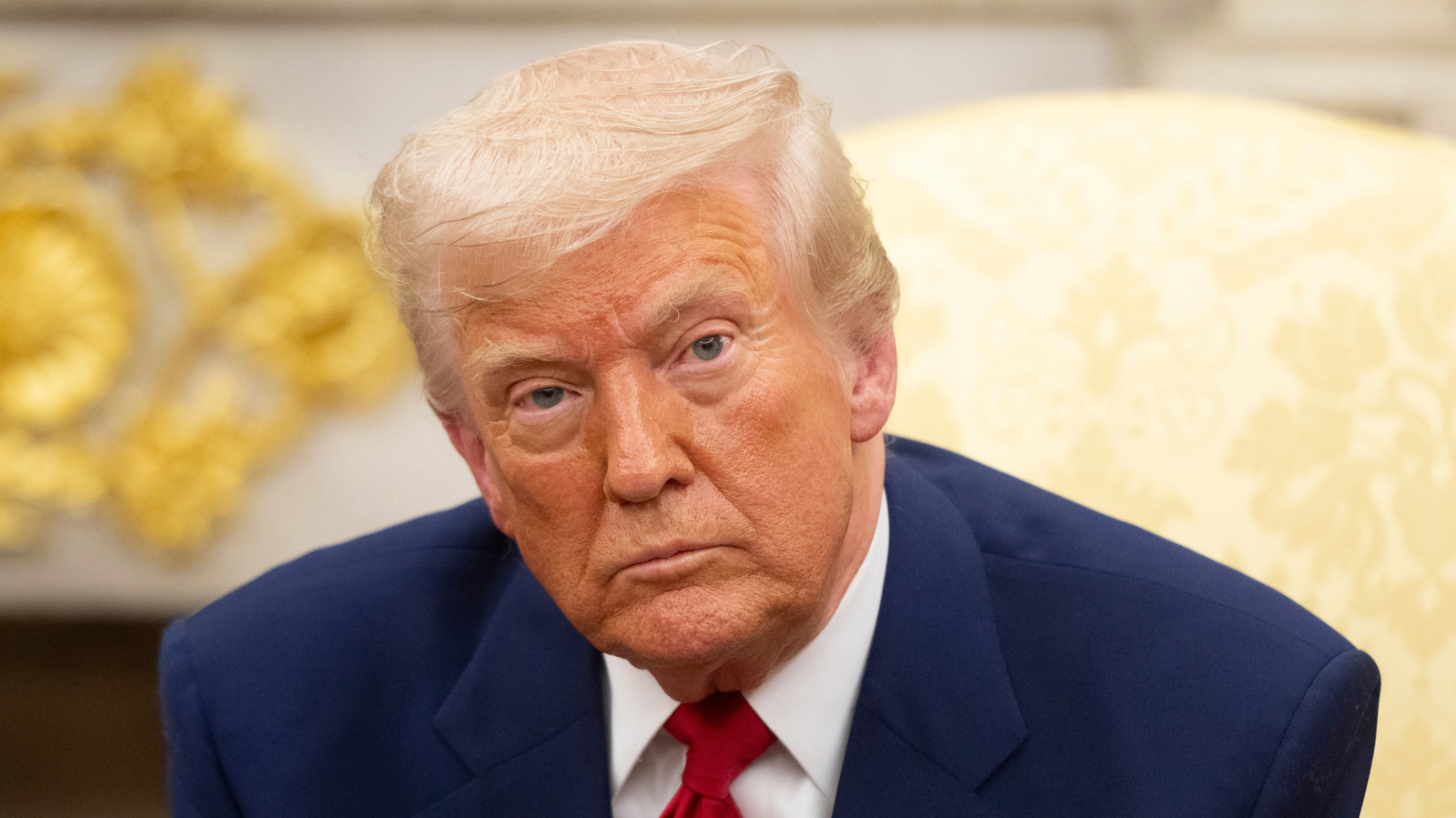
US President Donald Trump has announced a Section 301 investigation into the European Union, signalling a escalation in transatlantic trade tensions following a substantial regulatory penalty against Google. The move was confirmed via a post on Truth Social, where Trump stated the administration would immediately initiate the probe to address what he characterised as the "robbing" of American companies and taxpayers by European regulators.
The immediate catalyst for the US action is an €890 million ($1 billion) fine imposed by the European Commission on Google for violations of the Digital Markets Act. The EU regulator found that Google breached competition rules by unfairly promoting its own travel and shopping tools in search results and by restricting developers from advertising alternative payment options on the Google Play Store.
Trump asserted that the United States is not a "piggybank" for Europe and warned that the investigation would likely result in "a substantial TARIFF." The Section 301 mechanism, derived from the Trade Act of 1974, empowers the US Trade Representative to investigate trade partners and apply tariffs when their practices are deemed to unfairly burden or restrict US commerce.
This legal strategy follows a setback for the Trump administration in February, when the US Supreme Court struck down its earlier global tariff regime. With that pathway closed, the administration has turned to Section 301 as a primary vehicle to reimpose trade barriers, having previously utilised similar measures against 60 trading partners, including the EU, the UK, and China.
The Digital Markets Act, introduced in 2022, has become a key tool for the EU to penalise major technology firms, with previous enforcement actions targeting Meta and Apple alongside Google. However, the US approach mirrors the legal vulnerabilities of the EU’s regulatory model; like the antitrust fines, Section 301 tariffs are subject to potential legal challenges and could be overturned by the courts.
The timeline for the investigation’s conclusion and the specific implementation of any new tariffs has not been detailed. The outcome remains uncertain, as the legal framework allows for significant judicial review, leaving markets to assess the potential impact on cross-border trade flows and technology sector valuations.