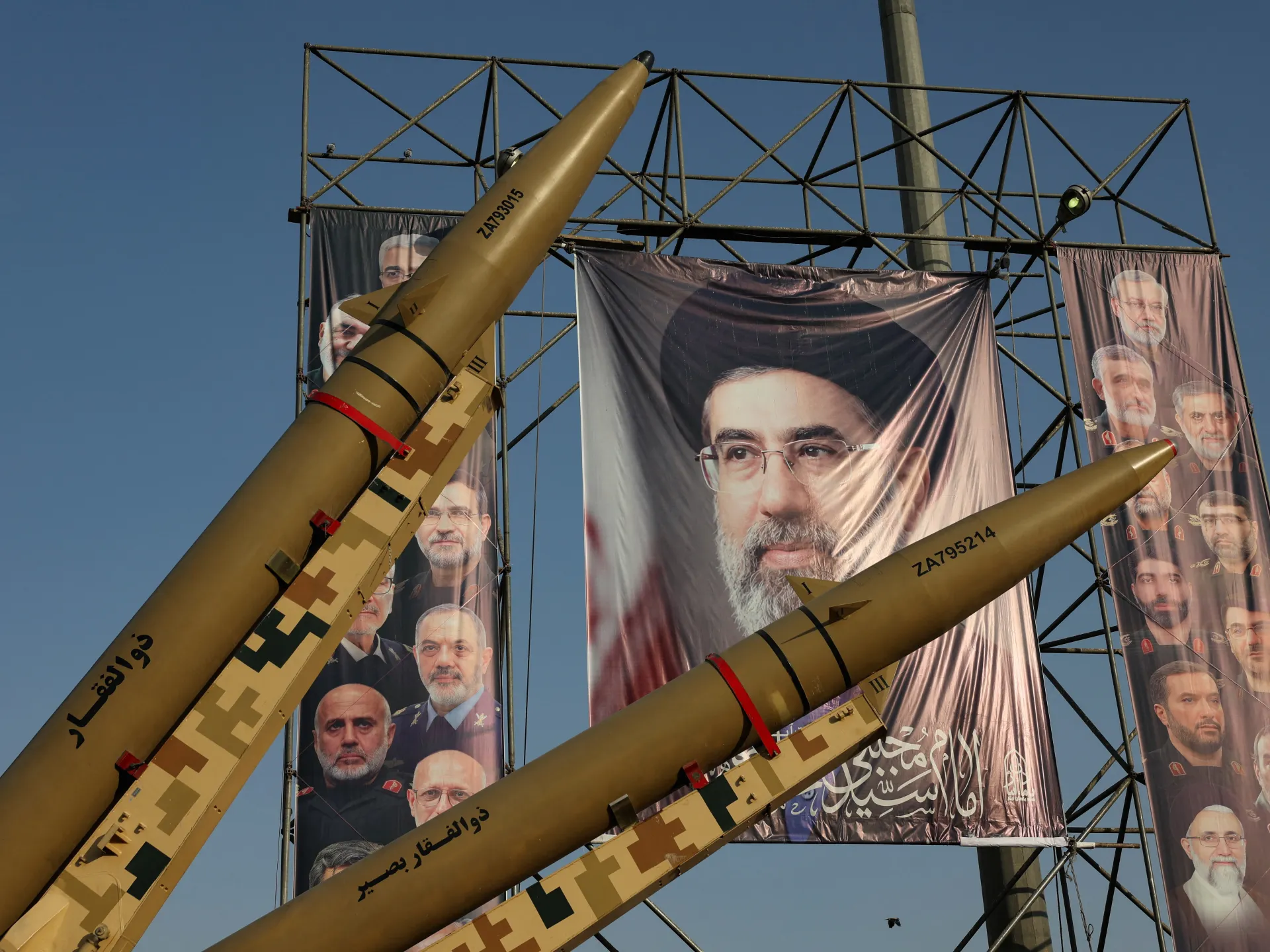
Trump faces political backlash as Iran war unpopularity deepens ahead of midterms
As the 100-day mark of the US-Israeli offensive against Iran passes, President Donald Trump confronts a growing domestic crisis. With inflation surging and public support crumbling, analysts warn the conflict is becoming a significant liability for Republicans ahead of the November midterms.
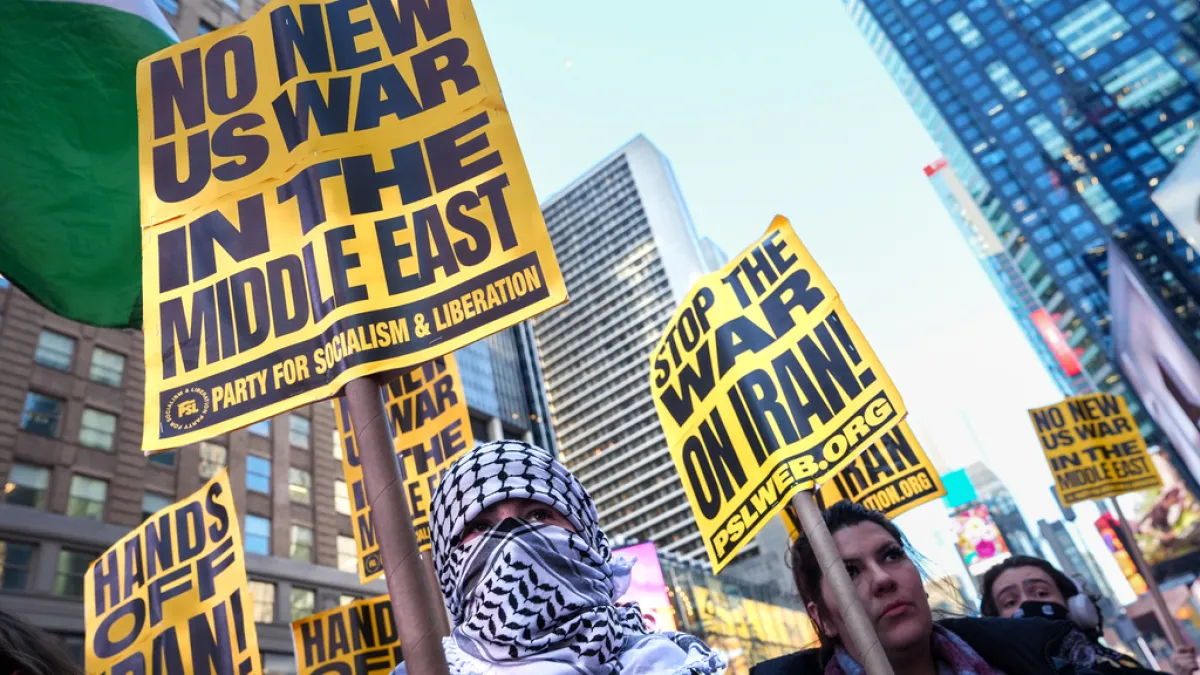
One hundred days into the war launched by the United States and Israel against Iran, President Donald Trump is confronting overwhelming public opposition that experts warn is evolving into a severe political liability. With the November midterm elections approaching, polls indicate that only 16 per cent of US voters believe the United States is winning or has won the conflict. A University of Maryland Critical Issues Poll released on Thursday revealed that a majority of voters, including 33 per cent of Republicans, view the war as having more negative than positive effects on American interests, compared to just 12 per cent who see a positive impact.
The conflict, which commenced on 28 February with strikes that killed Iranian Supreme Leader Ali Khamenei and several top officials, has triggered a sustained economic crisis. Iran’s immediate closure of the Strait of Hormuz, a critical energy shipping lane, has caused soaring oil and gas prices. An Institute for Global Affairs (IGA) poll found that 79 per cent of respondents, including majorities across party lines, believe the war has directly affected the cost of living in the United States. This economic pressure has transformed the conflict from a foreign policy issue into a domestic pocketbook concern, fuelling inflation and voter discontent.
Despite the economic strain, President Trump has dismissed domestic financial concerns, citing the prevention of an Iranian nuclear weapon as his sole motivation. He has stated he does not consider Americans’ financial situations or the upcoming midterms in his decision-making. However, experts suggest this posture may be a strategic attempt to project strength to Tehran, even as it alienates the electorate. Shibley Telhami, a professor at the University of Maryland, noted that the administration’s failure to prime the public or seek congressional approval prior to the initial strikes contrasts sharply with historical precedents, such as the lead-up to the 2003 Iraq invasion.
The political fallout is evident within Trump’s own party. The IGA poll showed that 58 per cent of respondents disapprove of Trump’s handling of the war, including 21 per cent of Republicans. Jonathan Guyer, a programme director at the Institute for Global Affairs, described the situation as a very unpopular war with a significant quotient of Republican dissent. With only 24 per cent of respondents believing the conflict is making the US safer, the administration’s narrative of progress toward a diplomatic deal has failed to gain traction with the public.
Analysts warn that the unpopularity of the war, compounded by the ongoing naval siege on Iranian ports and persistent skirmishes in the Gulf, could severely damage Republican prospects in November. Democrats are hoping to regain control of Congress, which would derail Trump’s legislative agenda. Telhami cautioned that if Republicans lose both the House and the Senate, the President could face a difficult position regarding his ability to implement policy and potential impeachment proceedings. As the war grinds on without a major diplomatic breakthrough, the domestic political cost continues to mount.