Trump faces inflation backlash as war with Iran drives prices to three-year high
Energy spikes and Strait of Hormuz closure complicate Federal Reserve policy ahead of midterm elections
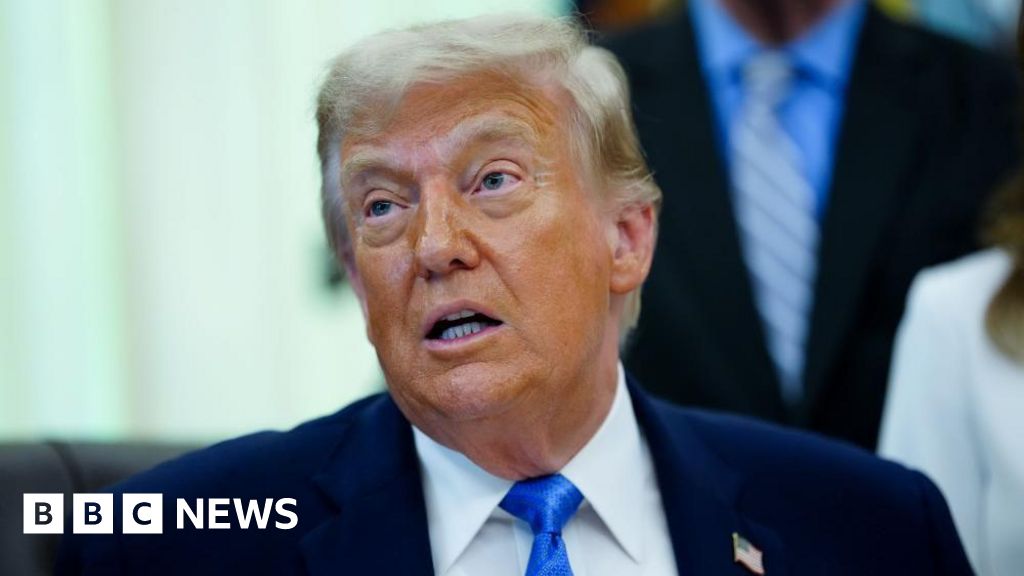
US President Donald Trump has drawn sharp criticism after stating he "loves the inflation" following the release of May Consumer Price Index figures, which recorded a 4.2 per cent annual price increase. The Bureau of Labor Statistics attributed the surge, the fastest rise in three years, primarily to escalating energy costs stemming from the ongoing US-Israel war in Iran. The remark, made at the White House, has intensified political pressure on the administration as voters rank the economy as a top concern ahead of the November midterms.
The inflationary environment is directly linked to military operations and the subsequent closure of the Strait of Hormuz by Iranian forces. While Trump predicted that prices would "come down like a rock" once the conflict ends, citing petrol costs of $1.85 per gallon during a visit to Iowa in early 2026, current data tells a different story. Motoring group the AAA reports that the average price of regular petrol has climbed to $4.15 per gallon, a significant jump from $2.98 on 28 February 2026 when strikes began. Brent crude oil remains trading significantly higher than pre-war levels, despite Trump’s claim that nighttime military operations had taken "millions of barrels" of oil and contributed to a slight price drop.
Senate Democratic Leader Chuck Schumer seized on the President’s comments, posting on X that his "contempt for you knows no bounds." The administration’s stance has faced further scrutiny after Trump previously stated he was "not even a little bit" influenced by Americans' financial situations regarding Iran’s nuclear programme. Although current inflation remains below the 9.1 per cent peak seen under his predecessor Joe Biden in mid-2022, the persistent rise poses a distinct governance challenge, particularly as it complicates the upcoming interest rate decision for new Federal Reserve Governor Kevin Warsh.
The economic strain is compounded by ongoing military tensions, including the reported shooting down of a US Army AH-64 Apache helicopter over the Strait of Hormuz on Monday night. While US Central Command confirmed on Wednesday that no US warships had been struck, contradicting Iranian state media, the conflict has effectively choked global oil and gas supply. Economists warn that even with a swift resolution to the war, it could take until 2027 for the normal flow of goods through the strait to be restored, prolonging the impact on household energy bills, which were almost a quarter higher in May.
Financial experts remain divided on the Federal Reserve’s next move. Stephen Brown of Capital Economics argued that the May rise alone was not large enough to justify a rate hike, while Isaac Stell of Wealth Club suggested that a hike was the "most logical conclusion" given the data and healthy jobs numbers. With the Fed’s long-term target at 2 per cent and rates currently between 3.5 per cent and 3.75 per cent, Warsh faces a complex policy landscape as the administration navigates the intersection of military conflict and economic stability.