Trump confirms Taiwan arms sale discussion with Xi during Beijing summit
The confirmation comes as the two-day summit concludes, with divergent post-meeting statements highlighting ongoing friction over strategic stability and regional security.
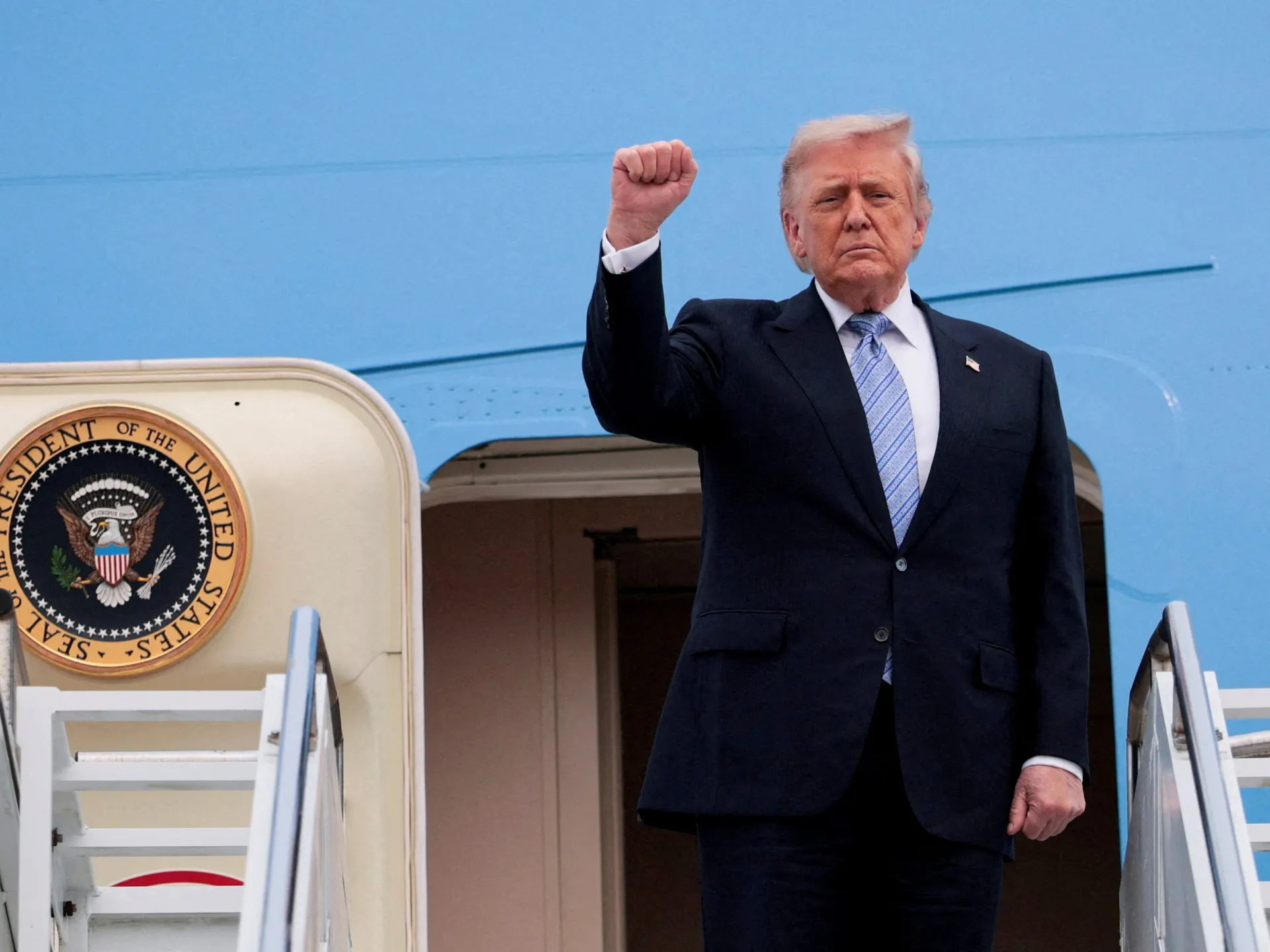
US President Donald Trump has confirmed that he raised the issue of American arms sales to Taiwan with Chinese President Xi Jinping during their summit in Beijing. The discussion took place over the course of a two-day meeting that concluded on 15 May 2026, marking the first visit by an American president to China since 2017.
The confirmation adds a layer of complexity to the diplomatic agenda, which also encompassed trade relations, artificial intelligence cooperation, and tensions surrounding Iran and the Strait of Hormuz. Prior to the leaders' meeting, the United States had delayed a $14 billion arms sale package to Taiwan, with Trump indicating that a final decision on the transaction had not yet been made.
While the topic was acknowledged by the White House, US Secretary of State Marco Rubio had previously stated that arms sales to Taiwan did not feature primarily in the closed-door discussions, although he noted the subject had been discussed previously. China’s Foreign Ministry spokesperson Guo Jiakun reiterated the country’s consistent opposition to US arms sales to the island.
Following the conclusion of the talks, both leaders issued post-summit statements highlighting a new vision for strategic stability in bilateral relations. However, the texts diverged significantly on specific economic and security outcomes, suggesting that while the framework for engagement was established, concrete agreements remained elusive.
Market reactions to the summit were generally positive, with US stock markets rising as the talks commenced. The Dow Jones Industrial Average gained 0.8 per cent, the S&P 500 rose 0.3 per cent, and the Nasdaq Composite climbed 0.2 per cent. Nvidia shares also surged more than 2 per cent following news that the US had approved H200 chip sales to Chinese firms.