Farhadi Condemns Civilian Deaths and Protest Crackdown at Cannes
Asghar Farhadi’s statement at the Cannes Film Festival highlights the precarious position of Iranian artists amid ongoing conflict and internal security operations.
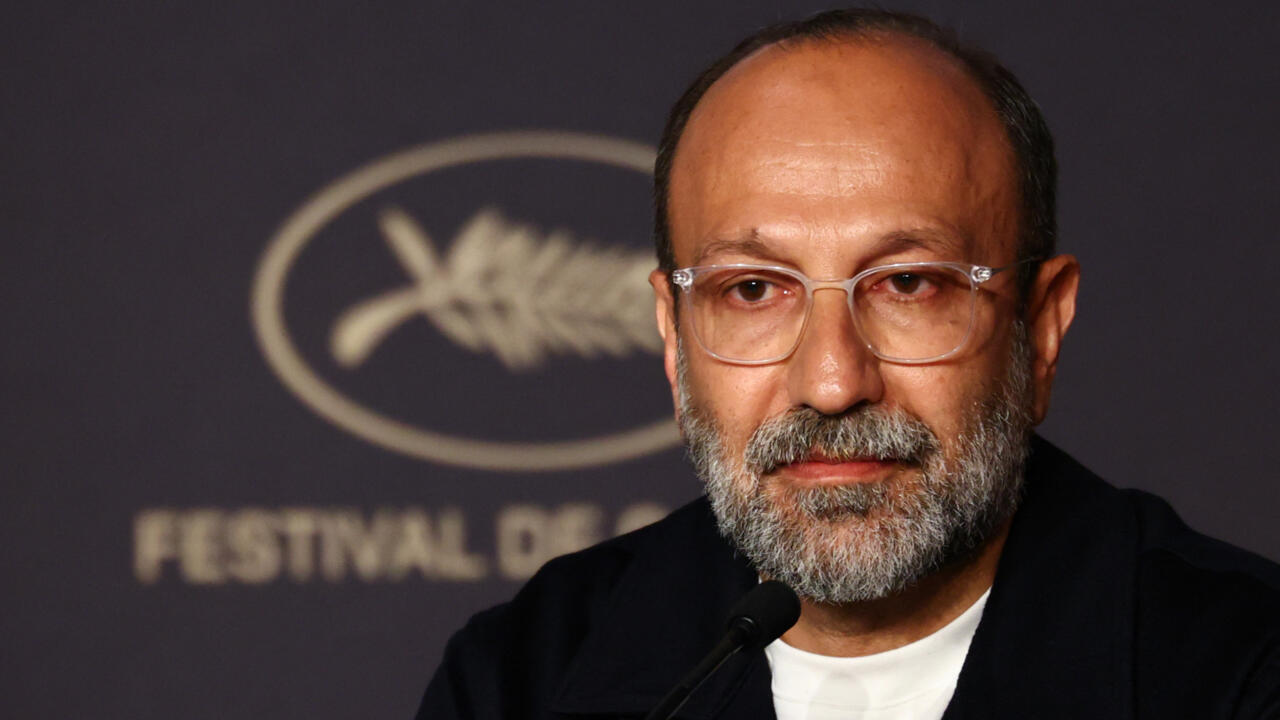
Iranian director Asghar Farhadi used a press event at the Cannes Film Festival on Friday to condemn both the civilian casualties resulting from US and Israeli air strikes in Iran and the killing of demonstrators by the Islamic Republic. Farhadi, whose French-language film "Parallel Tales" premiered at the festival, stated that he could not accept the taking of life in any context, referring to both the war and recent domestic protests as tragic events involving innocent victims.
Speaking of two "tragic events" this year, Farhadi referred to "the death of many innocent people, children, civilians who were killed during the war, during the attack that Iran has suffered". "And before this war, there was the death of many demonstrators, people who had taken to the streets to protest, who were just as innocent, and who were massacred," he added. "Every murder is a crime. From no point of view, or with any justification, can I accept life being taken away from someone, whether it's a war, an execution, or massacring protesters."
Iran has been at war with Israel and the United States since February 28, with a shaky ceasefire in place since April 8. Since the start of the conflict, Tehran has ramped up executions, particularly in cases involving alleged espionage or security-related charges. Iran was rocked by huge anti-government protests that peaked in January. The government acknowledged more than 3,000 deaths during the protests, but blamed the violence on "terrorist acts" orchestrated by the US and Israel. Human rights groups and researchers outside Iran estimate that anywhere from 7,000 to 35,000 people were killed in indiscriminate shooting by security forces.
Farhadi, who travelled from Tehran last week, trod a fine line when asked for his thoughts about events in his war-hit homeland at the Cannes Film Festival, where his latest film, the French-language "Parallel Tales", received its premiere. Filmmakers in Iran face strict censorship rules and constant pressure from authorities, with several prominent directors from Jafar Panahi – who won Cannes' top prize last year – and Mohammad Rasoulof either jailed or forced into exile. Farhadi has won two Oscars for best foreign language movie, for "A Separation" (2011) and "The Salesman" (2016).
"Parallel Tales", a story about voyeurism and art in Paris with an all-star French cast, garnered disappointing reviews after its Cannes showing on Thursday. Film magazine Screen called it "convoluted and superficial" while Variety called it "weirdly muddled". The critical reception of the film stands in contrast to the weighty political statements made by its director during the festival's press events.