Trump clarifies stance on Iran military operations amid regional tensions
Washington signals policy flexibility as OPEC+ adjusts production and Middle East hostilities escalate.
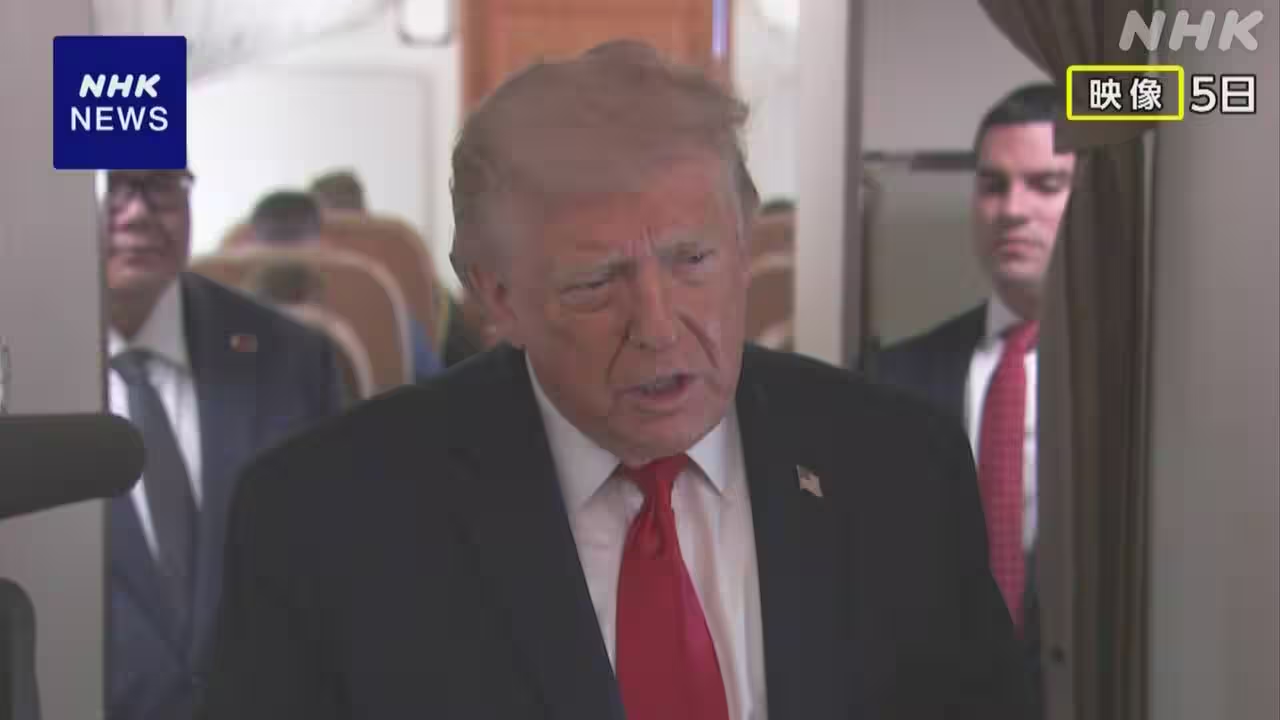
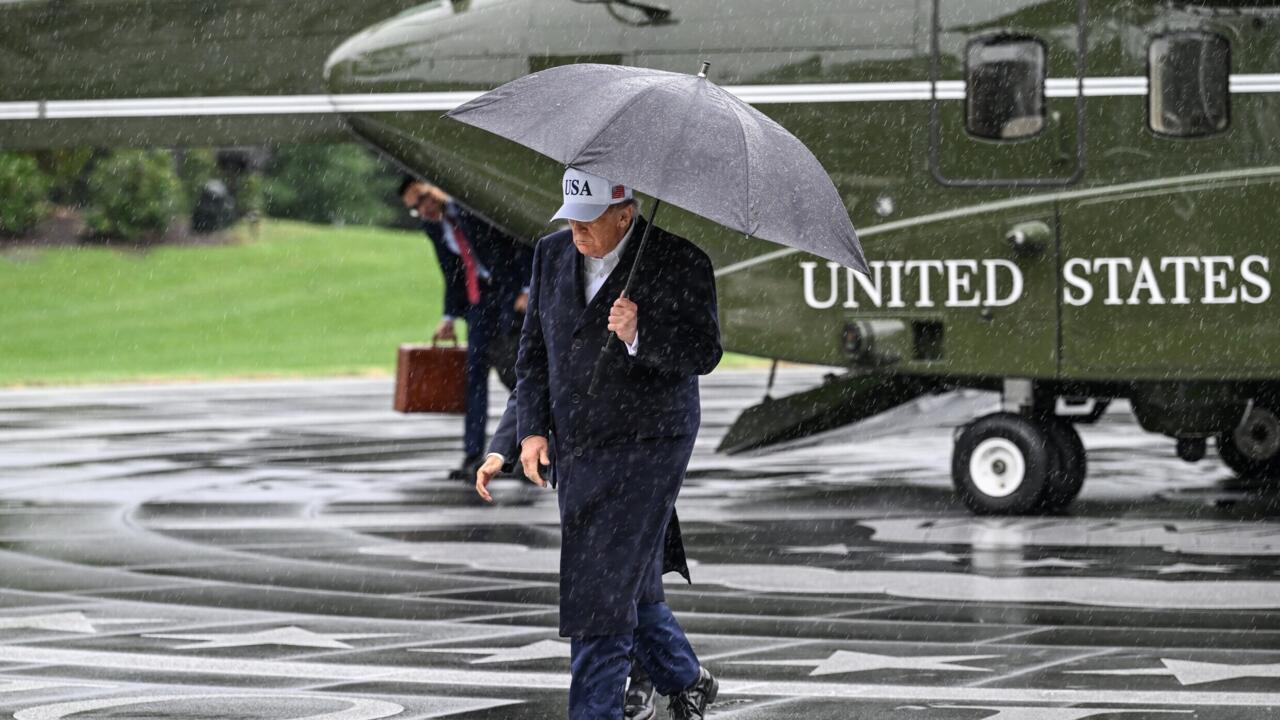
US President Donald Trump has stated that he does not guarantee the avoidance of war regarding potential military operations against Iran, marking a significant shift from his previous campaign rhetoric. In a media interview on 8 June 2026, the President addressed scrutiny over his presidential election pledges to avoid initiating new conflicts, explicitly clarifying that he had not provided an absolute assurance that war would not occur.
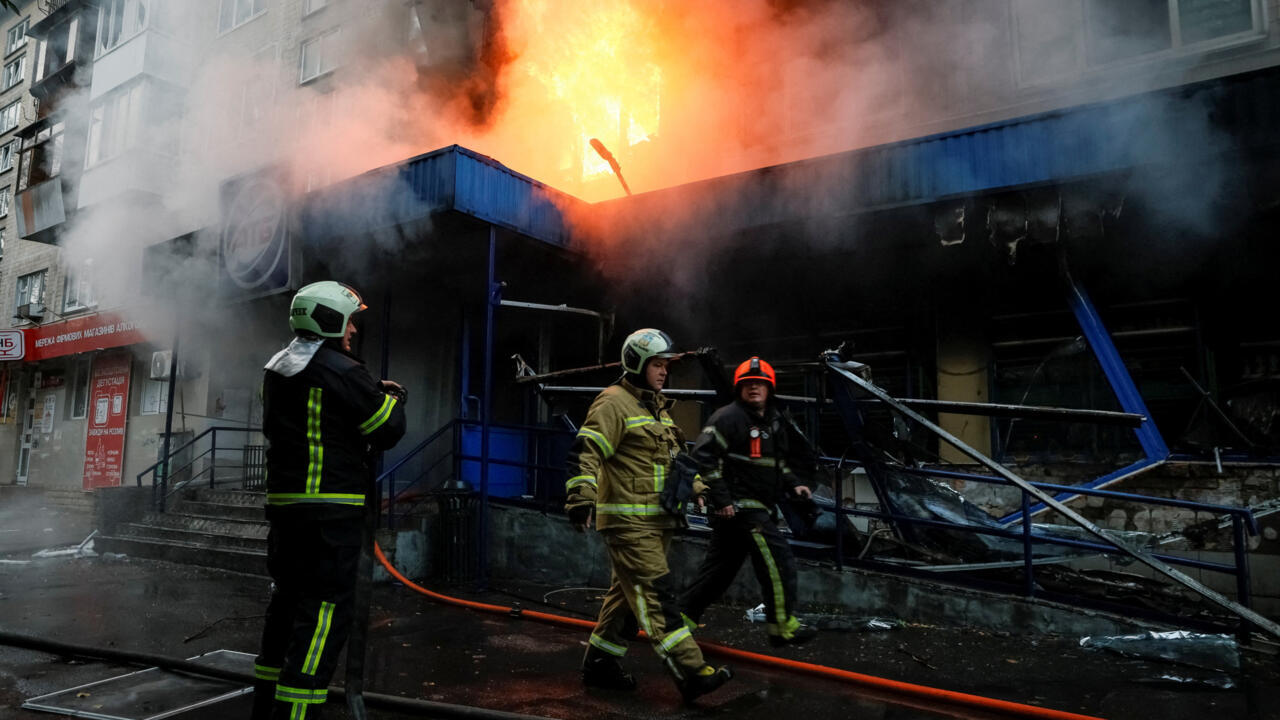
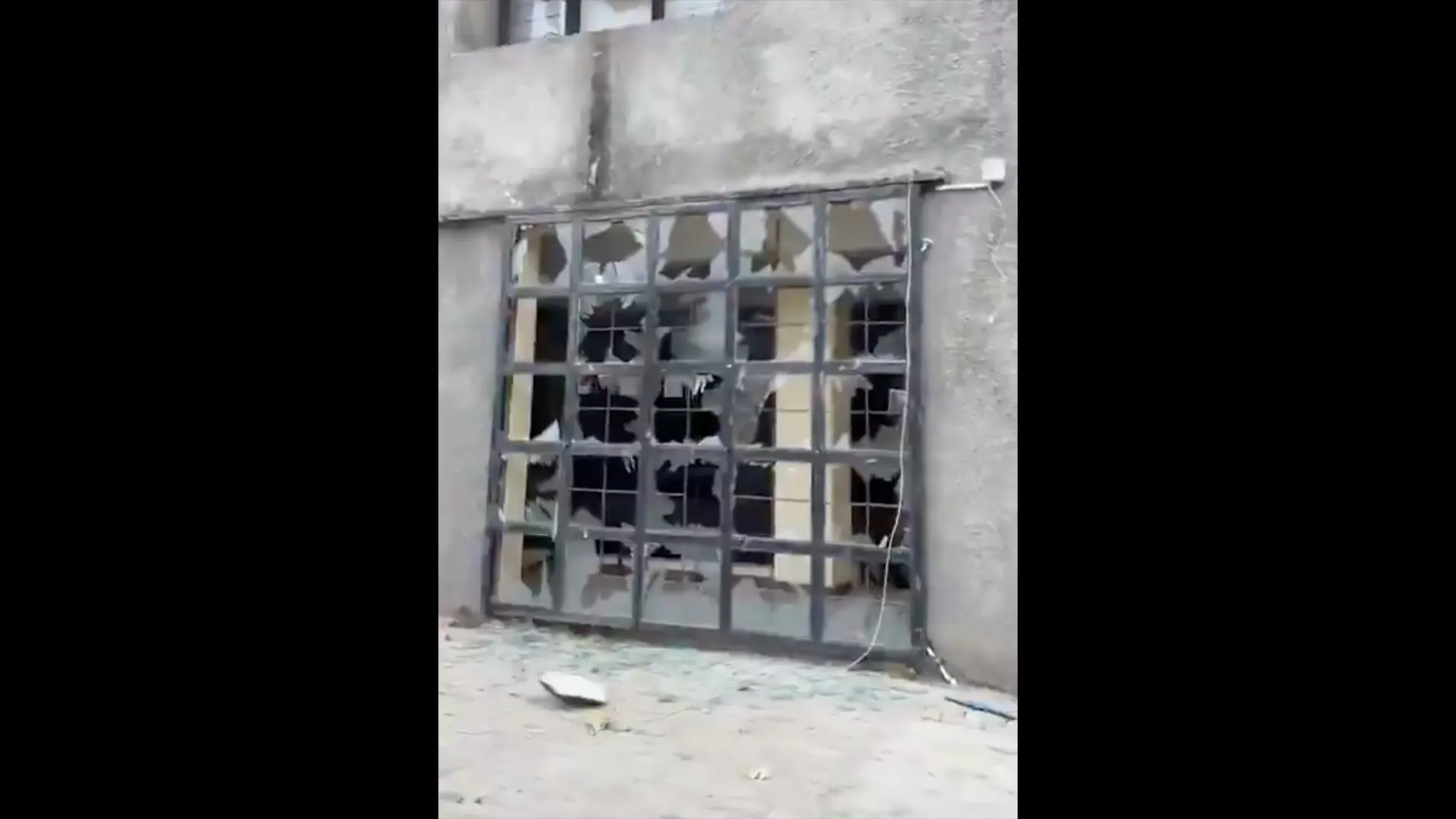
The statement comes against a backdrop of intensifying geopolitical instability in the Middle East. Concurrent reports indicate that tensions have escalated with Iranian missile launches and corresponding responses from the Israeli military. While the full extent of the military operations discussed by Trump remains undefined in the source material, the President’s comments suggest a departure from the "endless wars" narrative that characterised his election platform.
Global energy markets are already adjusting to the heightened risk of disruption. OPEC+ nations, comprising seven countries, have decided to increase production in July. This strategic move is designed to prepare for the potential reopening of the Strait of Hormuz, a critical chokepoint for global oil supplies that remains vulnerable to the ongoing regional hostilities.
The diplomatic landscape on 8 June 2026 reflects broader international engagement with regional crises. Ukrainian President Volodymyr Zelenskyy held meetings with leaders from the United Kingdom, France, and Germany to seek diplomatic openings, while Chinese President Xi Jinping began a visit to North Korea. These parallel developments underscore the complex web of alliances and tensions shaping global policy at this juncture.
Domestic political processes continue elsewhere, with the runoff vote commencing in the Peruvian presidential election, described as a tight contest. Meanwhile, the US government faces internal scrutiny regarding immigration enforcement, with events in Minneapolis highlighting community responses to policy shifts. The convergence of these events highlights the multifaceted nature of governance challenges facing the Trump administration and its counterparts worldwide.