Trump asserts US claim over Strait of Hormuz amid stalled negotiations
The US President’s characterisation of the strategic waterway as “American territory” highlights the institutional ambiguity of current diplomatic efforts.
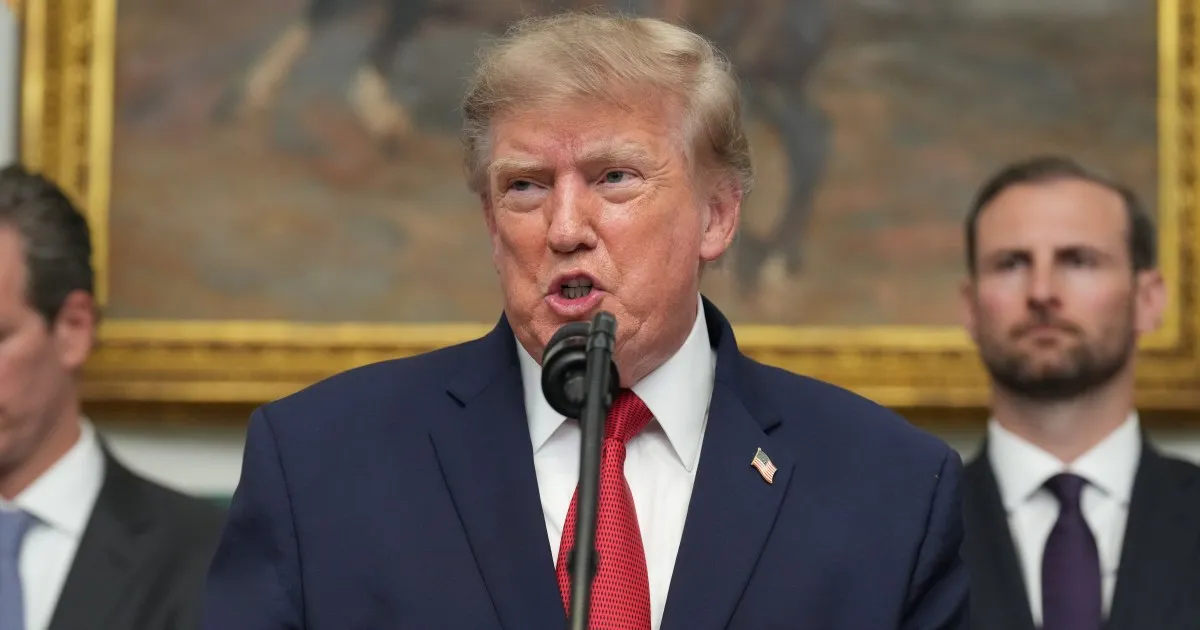
US President Donald Trump has described the Strait of Hormuz as “American territory,” a statement that underscores the shifting dynamics of the ongoing conflict with Iran. The assertion, made during a broader assessment of diplomatic prospects, suggests a move towards a more assertive geopolitical stance by the White House.
In his remarks, Trump indicated that Tehran was not yet prepared to conclude a favourable agreement. He stated that Iran “would love to make a deal, but they’re not ready to make the right deal in my opinion.” The use of subjective language signals that the definition of a successful outcome remains fluid and heavily influenced by US political priorities.
This development follows recent announcements of intensified economic sanctions targeting Iran and allied nations. Key figures associated with these measures include President Trump and Scott Bessent. The sanctions were designed to exert pressure on Tehran, yet the immediate economic impact has been complex.
Reporting from Al Jazeera and BBC World indicates that US markets have emerged as an early victim of these economic measures, rather than Iran itself. This suggests that the institutional cost of the strategy may be higher than initially projected, complicating the narrative of a straightforward victory through economic leverage.
The specific legal or strategic basis for the claim that the Strait of Hormuz is American territory has not been detailed in current reporting. This lack of clarity may invite contestation from Iran and other international actors who view the waterway as a critical global shipping lane with established international status.
As the diplomatic window narrows, the focus remains on whether the “right deal” can be defined in terms that satisfy both domestic and international stakeholders. The current situation reflects a governance challenge where strategic assertions outpace the formalisation of policy frameworks.