Canada-US trade talks enter final hours as deadline looms
Negotiators in Washington are working towards a midnight deadline to finalise a tentative trade agreement, with leaked details suggesting significant tariff reductions in exchange for market access.
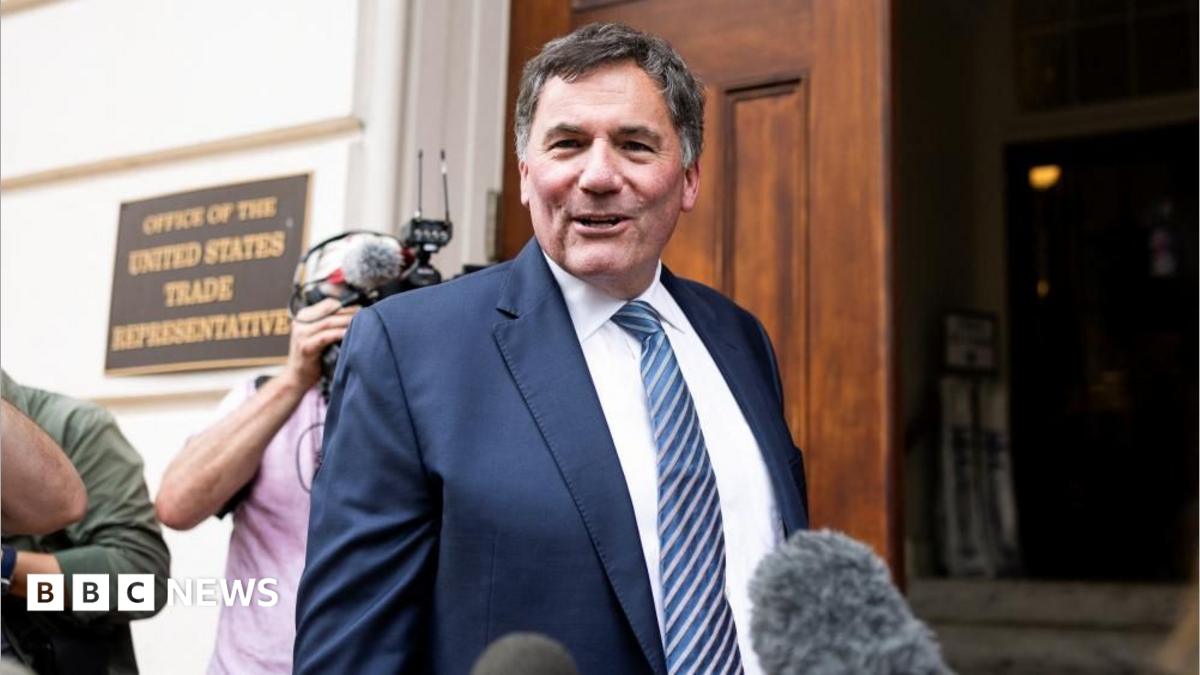
Canadian Trade Minister Dominic LeBlanc stated that negotiators "have more work to do" as talks to finalise a tentative trade deal with the United States approach a midnight deadline. LeBlanc, who has been in Washington for two weeks, spent approximately eight hours in meetings with US Trade Representative Jamieson Greer, described as one of the longest sessions of the negotiations. He told reporters on Friday evening that the team would continue working until the last minute, noting that "our job is not finished."
President Donald Trump indicated the deal was "moving along" but did not confirm a definitive agreement. He told reporters that the US should be able to have a deal with Canada and that negotiations with Mexico were also commencing. If a deal is not finalised by the deadline, Canada risks a fresh wave of additional US tariffs on a wide range of goods, including hockey equipment, wine, and cement.
Leaked details suggest the US may reduce tariffs on Canadian steel and aluminium from 50 per cent to 25 per cent, and on automobiles from 25 per cent to 15 per cent. In exchange, Canada is reportedly considering allowing greater US access to its dairy market and restoring the sale of American alcohol. The full framework of the deal has yet to be made public, leaving the exact terms of the institutional compromise under scrutiny.
Prime Minister Mark Carney faces mixed reactions from provincial leaders and opposition figures regarding the prospective terms. Conservative opposition leader Pierre Poilievre warned of "one-sided" tariffs and the potential "de-industrialisation" of the Canadian economy. Meanwhile, Manitoba Premier Wab Kinew publicly criticised the deal, urging Canada to "fight" rather than rush to make concessions, while Nova Scotia and Yukon premiers indicated they were prepared to restore US alcohol sales.
Quebec Premier Christine Fréchette stated she is analysing the impact on local farmers before deciding on restoring US alcohol sales, and Ontario Premier Doug Ford has yet to comment publicly. The mayor of an Ontario city home to the country's second-largest steel producer, Matthew Shoemaker, stated that a deal with 25 per cent tariffs on the sector "wouldn't be something to celebrate," expressing concern that the agreement may not benefit the community.
The mixed reaction highlights the governance challenge for Carney, who campaigned on a tough "elbows-up" approach. Estimates by Calgary-based economist Trevor Tombe suggest Canada could lose 90,000 jobs if new tariffs are implemented. Polls indicate that 56 per cent of Canadians want a hardline approach, a sentiment echoed by US Vice-President JD Vance, who reportedly told attendees at a private fundraiser that Carney "climbs down on a lot of issues."