Trump approves firing-squad execution for Fort Hood shooter Nidal Hasan
The President has authorised the first US military execution since 1961, following a recommendation by Defence Secretary Pete Hegseth.
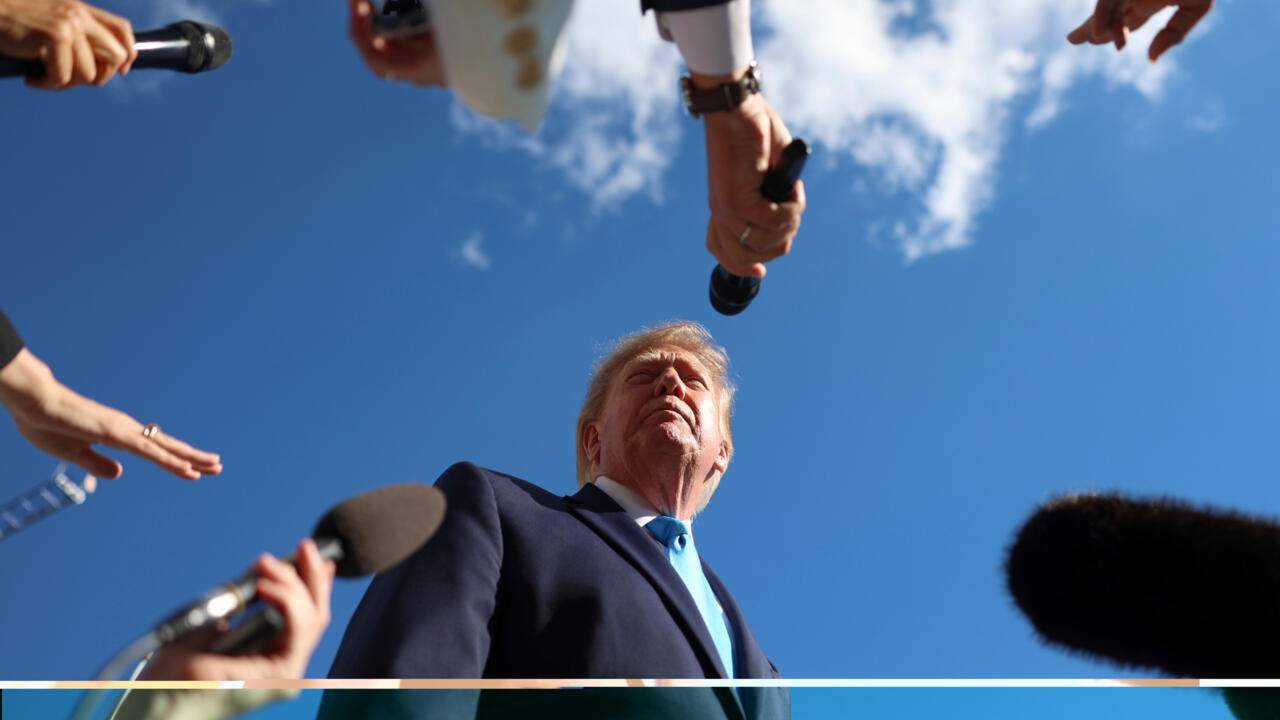
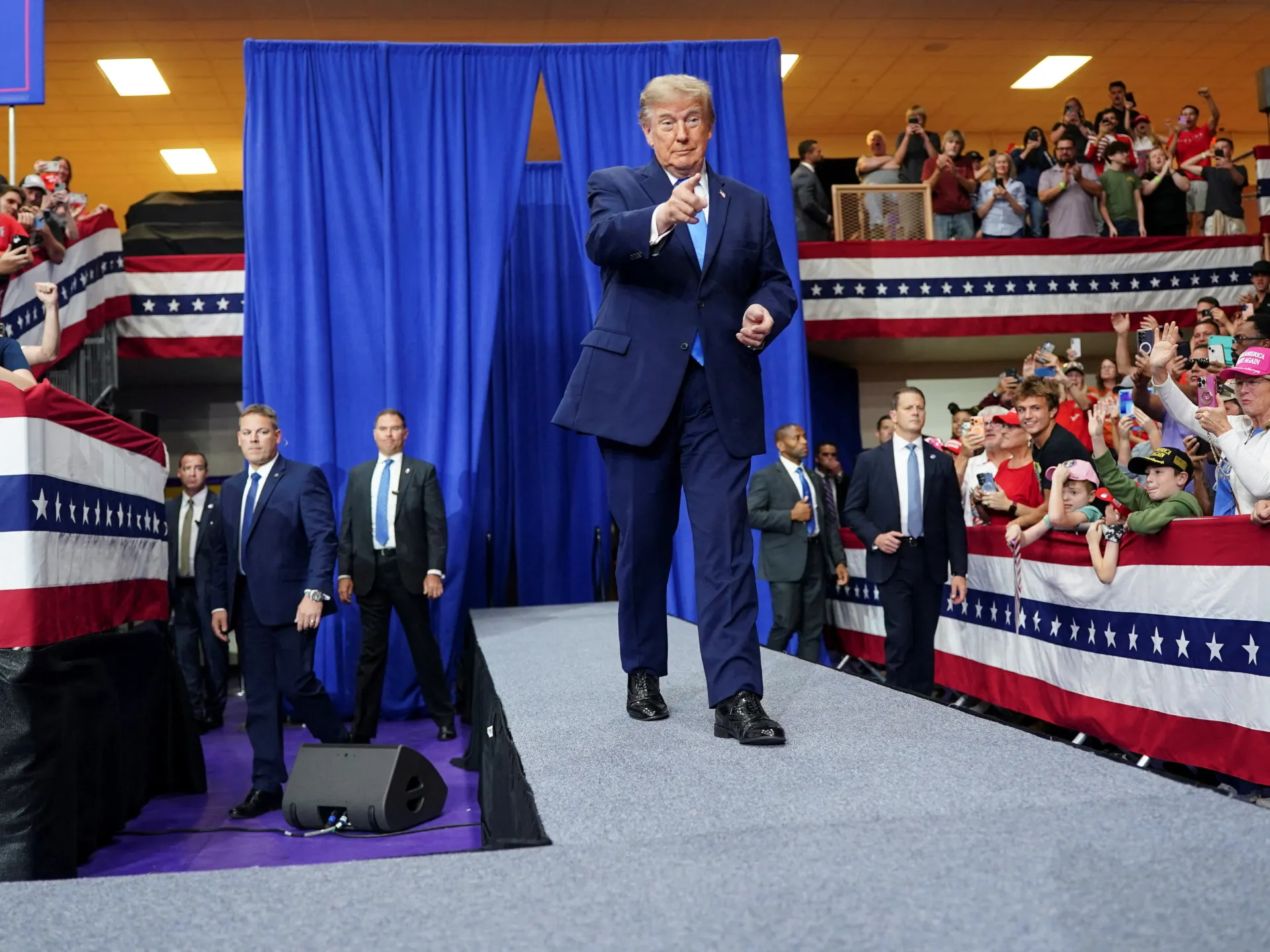
President Donald Trump has approved the execution of Nidal Hasan by US Army firing squad, a decision that marks the first such penalty carried out by the American military since 1961. The approval was announced by the Pentagon on Monday, following a recommendation from Defence Secretary Pete Hegseth.
Pentagon spokesman Sean Parnell stated that the Secretary of the Army is now tasked with determining the specific time and place for the execution. In a post on the social media platform X, Parnell declared that “Judgement day for Hasan has finally come.”
Hasan, a US Army psychiatrist of Palestinian descent, was convicted in 2013 of killing 13 people and wounding more than two dozen others at a medical facility at Fort Hood in Texas. The attack, which occurred on 5 November 2009, targeted soldiers staging for deployment to Iraq and Afghanistan. Twelve of the victims killed and 30 of those wounded were active-duty soldiers.
During his trial, Hasan conducted his own defence, calling no witnesses and offering no testimony. Court-appointed defence attorneys later expressed concern that the accused was actively seeking execution. The military jury sentenced him to death for what was described as an Al-Qaeda-inspired mass shooting.
The incident occurred at a base serving as a staging point for troops heading to combat zones. Hasan was shot and partially paralysed by a civilian police officer who responded to the scene. The court was informed that Hasan had spoken online with Anwar al-Awlaki, an alleged Al-Qaeda figure and American citizen who was later killed in a US drone strike in Yemen.
While mass shootings are a recurring issue in the United States, they remain rare at military installations. Recent incidents include a 2025 shooting at a base in Georgia and a 2019 attack at a facility in Hawaii, highlighting the continued security challenges within the US defence sector.