Trump shifts funding for presidential TV ads to personal accounts
The US President has announced that federal taxpayers will no longer fund television advertisements featuring him, a move made following widespread criticism from ethics experts and lawmakers across the political spectrum.
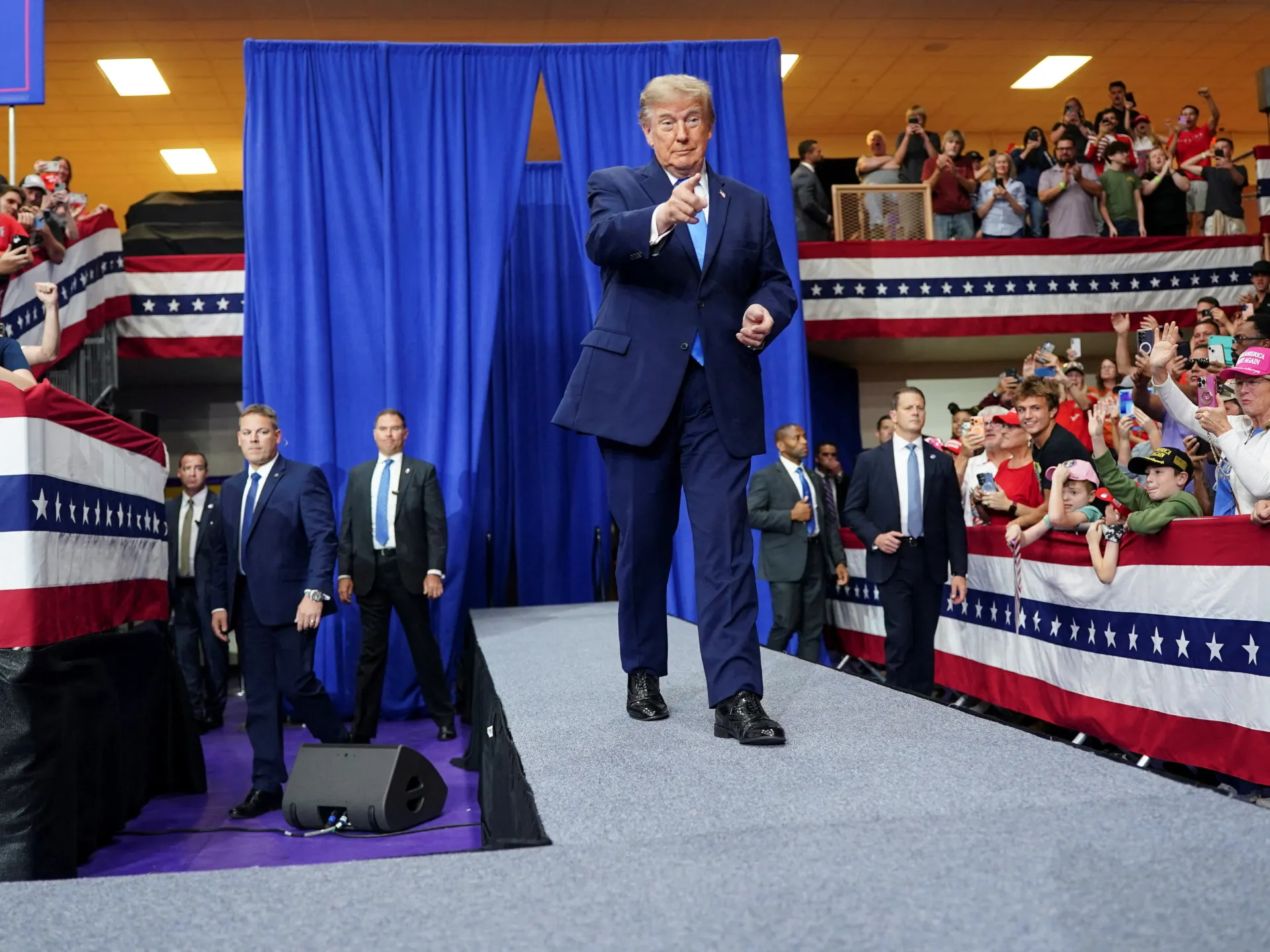
US President Donald Trump has announced that federal taxpayers will no longer fund television advertisements featuring him, following widespread criticism of the campaign-style spots. In a post on his social media site on Monday, Trump defended the advertisements, which cost at least $1.5m in federal funds and were aired ahead of the US November midterm elections.
Trump stated that he considered the advertisements to be “a positive promotion for our Great U.S.A.”, but that they would no longer be funded by taxpayers. Instead, the cost will be borne by either the President personally or his political action committee, MAGA Inc. The political war chest had amassed more than $400m by the end of July.
The announcement comes as ethics experts and lawmakers from both parties have criticised the three nationally broadcast advertisements and called for independent investigations. The advertisements have run during football games as recently as Sunday and during other programming. One features Trump declaring that “America will never be a communist country”, while a chorus repeats the words “love me”. Another combines images of Mount Rushmore with footage of Trump praising a “golden age of America”.
The advertisements end with a disclaimer saying they were paid for the US government. Democratic lawmakers said last month that the White House transferred $20m in Homeland Security Department funds to air the advertisements, including one that closely resembles a 2024 Trump campaign ad, and sought independent probes.
California Attorney General Rob Bonta on Monday called for an independent investigation, describing the use of funds as a “staggering misuse of public funding and breach of public trust”. This follows calls for a probe from various political figures who questioned the institutional use of federal resources for promotional content.
Federal Communications Commission Chair Brendan Carr, a Republican named to his position by Trump, last week said the advertisements were appropriate and rejected a request to investigate them. The differing views highlight the ongoing debate over the boundaries of executive promotion and public expenditure.