Trump announces phased tariffs to reshrine generic drug manufacturing
US President Donald Trump has unveiled a tariff structure designed to incentivise domestic pharmaceutical production, with rates set to rise to 100 per cent in August 2028 following a two-year grace period.
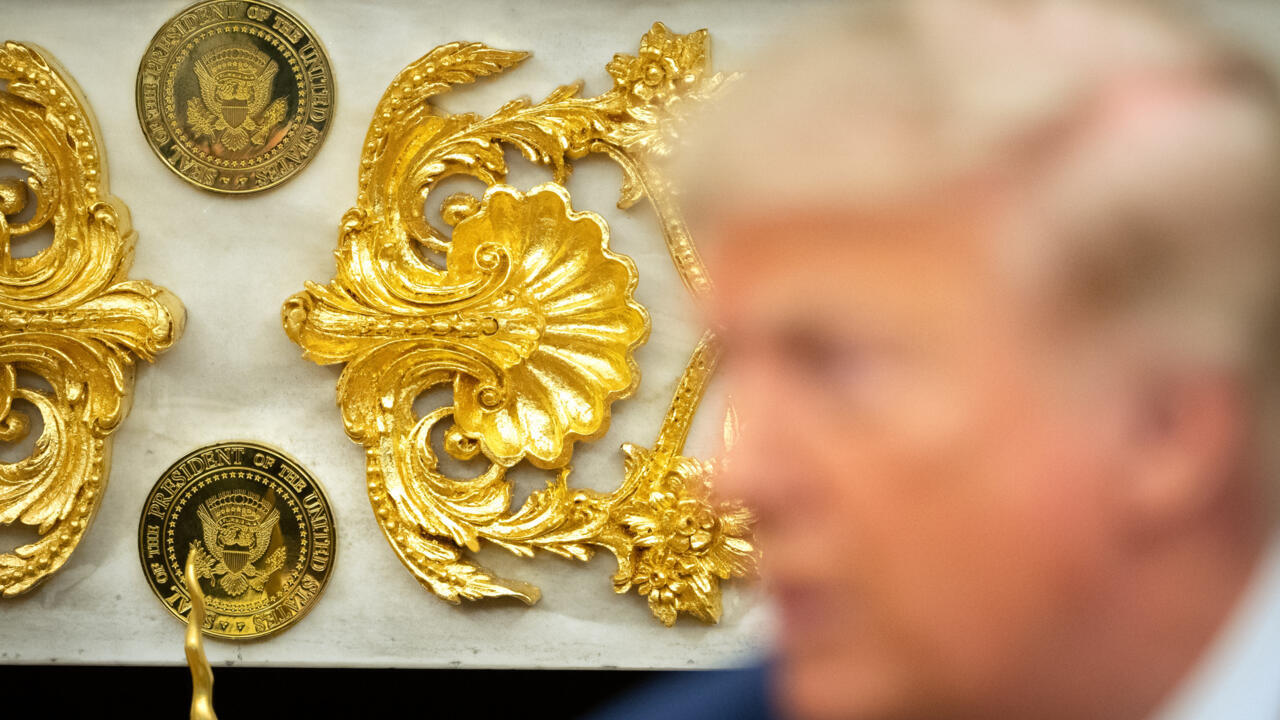
US President Donald Trump has announced a new trade policy targeting imported generic pharmaceutical drugs, aiming to bolster domestic manufacturing capacity. The measure, which seeks to reshrine production to the United States, is scheduled to take effect in August 2028, marking a significant escalation in the administration’s approach to pharmaceutical supply chains.
The tariff regime will be implemented in phases. According to the announcement, all generic drugs imported into the US will remain subject to a 0 per cent tariff for a two-year period commencing on August 1. Following this initial window, the duty rate will increase to 100 per cent for one year, before rising to 200 per cent thereafter.
Trump outlined the policy’s enforcement mechanism on Truth Social, stating that the measure includes penalties for companies that fail to establish domestic manufacturing facilities within the specified timeframe. "This is done in order to RESHORE Generic Pharmaceutical Production into America, with a penalty to those Companies that decide not to build Plant and Equipment within the stated period of time given to them," he wrote.
The policy specifically targets generic drugs, leaving the regulatory and tariff status of patented, branded, or innovative drugs unchanged. This distinction is significant given that more than 90 per cent of medicines sold in the US are generics, according to the US Food and Drug Administration. The move follows a broader strategy by the administration to pressure drugmakers through its most-favoured-nation drug pricing policy, aiming to lower costs to levels seen in other high-income countries.
This announcement builds on previous executive actions taken in April, when Trump signed an order imposing 100 per cent tariffs on branded pharmaceuticals unless manufacturers agreed to government pricing deals or committed to domestic production. The new generic drug tariffs also come in the context of agreements signed last year, where the world’s largest drugmakers secured exemptions for billions of dollars worth of drugs from existing tariffs.