Trump and Iraqi PM pledge deeper economic ties at White House
Leaders meet in Washington to discuss strengthening commercial relations, though specific agreements remain undefined.
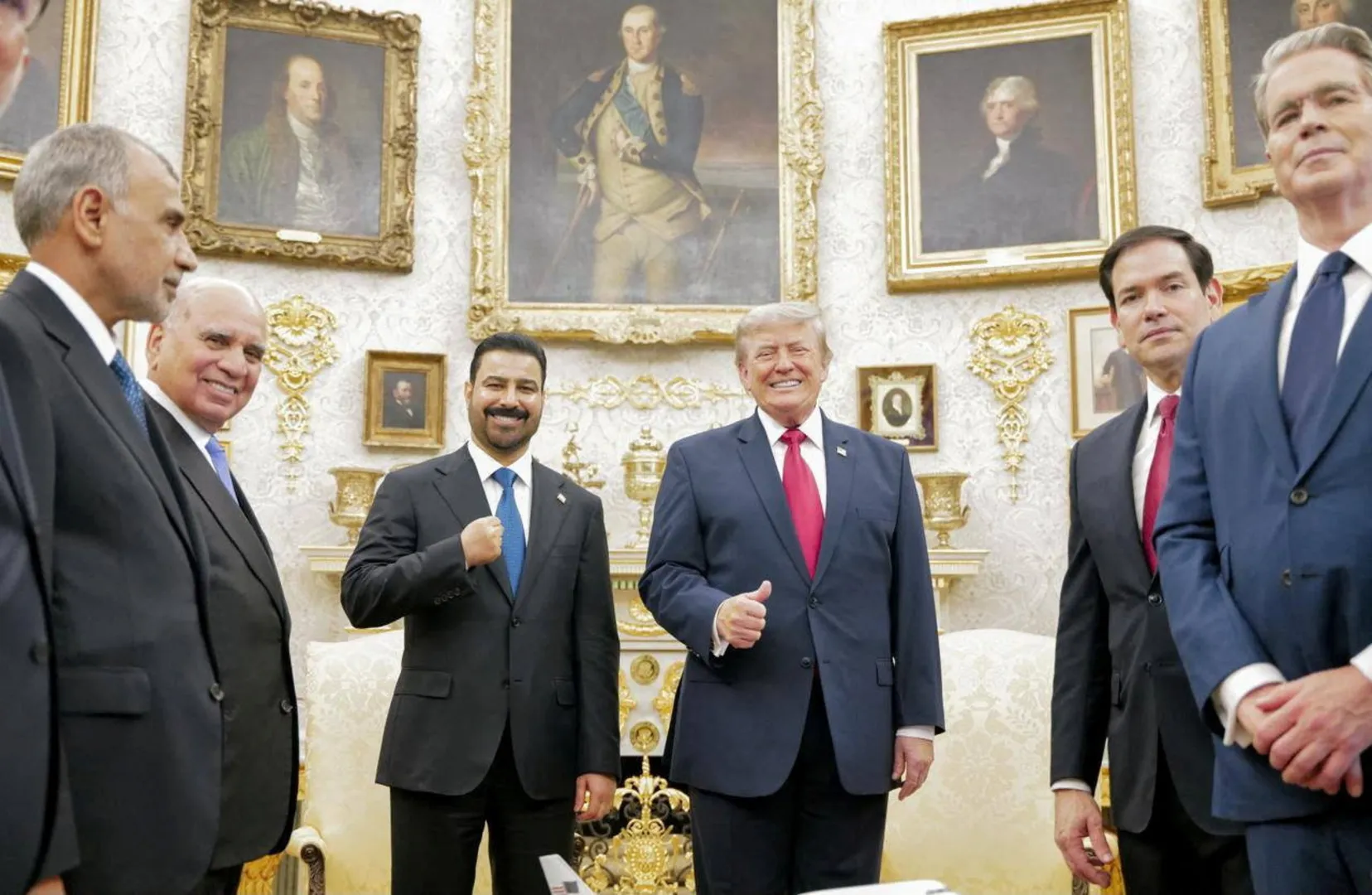
US President Donald Trump and Iraqi Prime Minister Ali al-Zaidi convened at the White House on 15 July 2026, marking a significant diplomatic engagement focused on expanding bilateral economic relations. The meeting underscored a mutual commitment to deepen commercial ties between the United States and Iraq, with both leaders signalling a shift towards more robust economic cooperation.
During the discussions, President Trump expressed strong optimism regarding the future of the relationship, stating that he vowed “a lot of deals” would follow the engagement. This assertion was made directly during the White House meeting, highlighting the administration’s expectation of substantial commercial outcomes from the strengthened diplomatic channel.
The primary focus of the visit was the enhancement of economic ties, a sector that has seen varying levels of engagement between the two nations. While the leaders pledged to move forward with deeper integration, the source material from Al Jazeera Global News does not detail the specific nature, scope, or value of the prospective deals mentioned by the President.
No specific agreements were confirmed as being signed during the visit. The reports indicate that the discussions were centred on pledges and the framework for future cooperation rather than the execution of immediate contracts. This suggests that the “deals” referenced by President Trump are prospective in nature, pending further negotiation and implementation.
The meeting takes place against a backdrop of ongoing international events, including recent natural disasters in Venezuela and health-related travel protocols for the Democratic Republic of Congo. However, the Washington engagement remains distinct in its focus on long-term economic strategy between the US and Iraq, with observers noting that the depth of these ties is currently based on political pledges rather than implemented outcomes.