US and Iran escalate hostilities as Strait of Hormuz blockade deepens
Washington launches air strikes on Iranian cities while Tehran targets US facilities in Jordan and Kuwait, threatening further closure of regional energy routes.
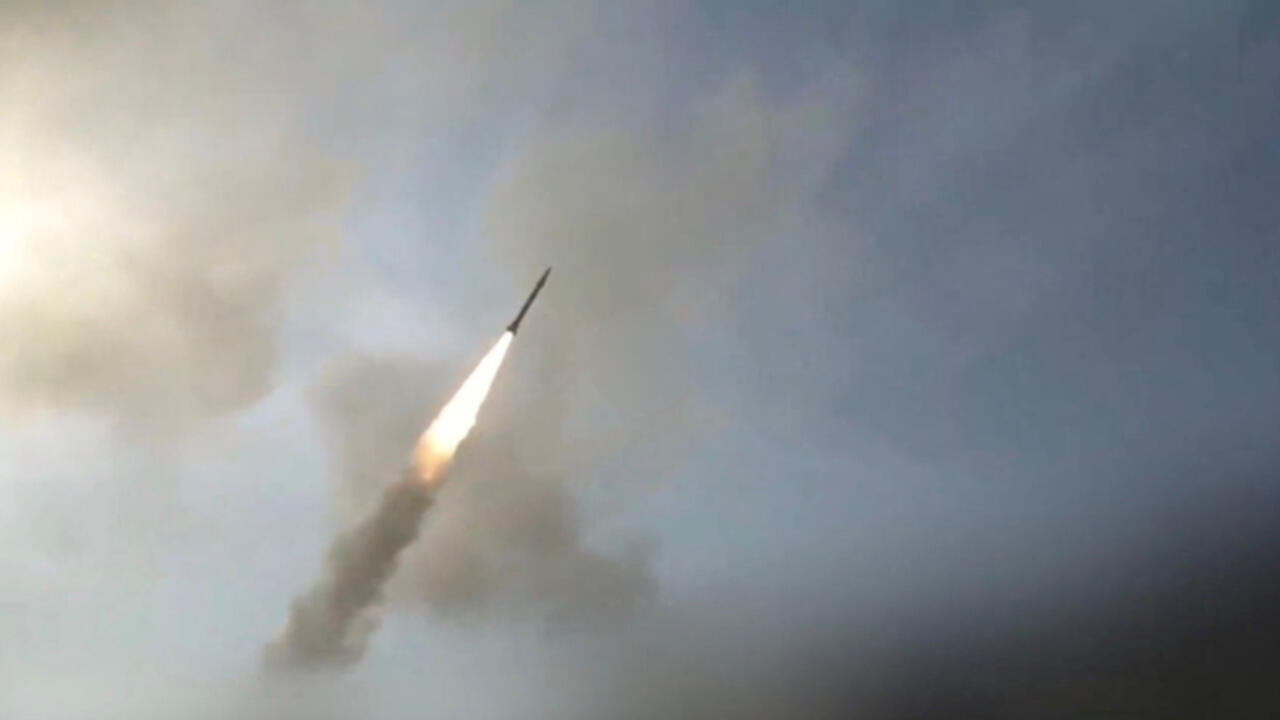
The United States and Iran exchanged military strikes on Wednesday, escalating a conflict that has already disrupted global energy supplies and prompted the reimposition of a naval blockade on Iranian ports. The US military conducted air strikes against targets in Bandar Abbas, Qeshm island, and Ahvaz, marking the fourth consecutive day of operations aimed at degrading Iranian capabilities used to attack commercial shipping.
In response, Iran’s Islamic Revolutionary Guard Corps (IRGC) launched drone and missile attacks on US military facilities in Jordan and Kuwait. Iranian state television reported that the army targeted the Al-Azraq base in Jordan with drones, while the Guards fired cruise missiles at a US logistics centre at Mina Abdullah in Kuwait. Kuwait’s military confirmed it was actively intercepting hostile drones, while Bahrain’s Interior Ministry sounded air raid sirens and urged residents to seek shelter following the renewed hostilities.
The IRGC declared that the Strait of Hormuz would remain closed until the United States ceased its "acts of aggression". The Guards warned that other regional energy export routes serving US and allied interests could also be shut down, asserting that regional oil and gas exports would be "for everyone or for no one". This threat underscores the strategic leverage Tehran retains over maritime chokepoints, despite US military pressure.
Oil prices rose sharply amid the escalating conflict, with Brent crude reaching $86.19 a barrel and West Texas Intermediate (WTI) reaching $80.40 a barrel. The surge follows a one-month high close on Tuesday, as attacks continue to deepen supply disruptions in the Strait of Hormuz, which previously handled approximately one-fifth of the world’s oil and liquefied natural gas transits.
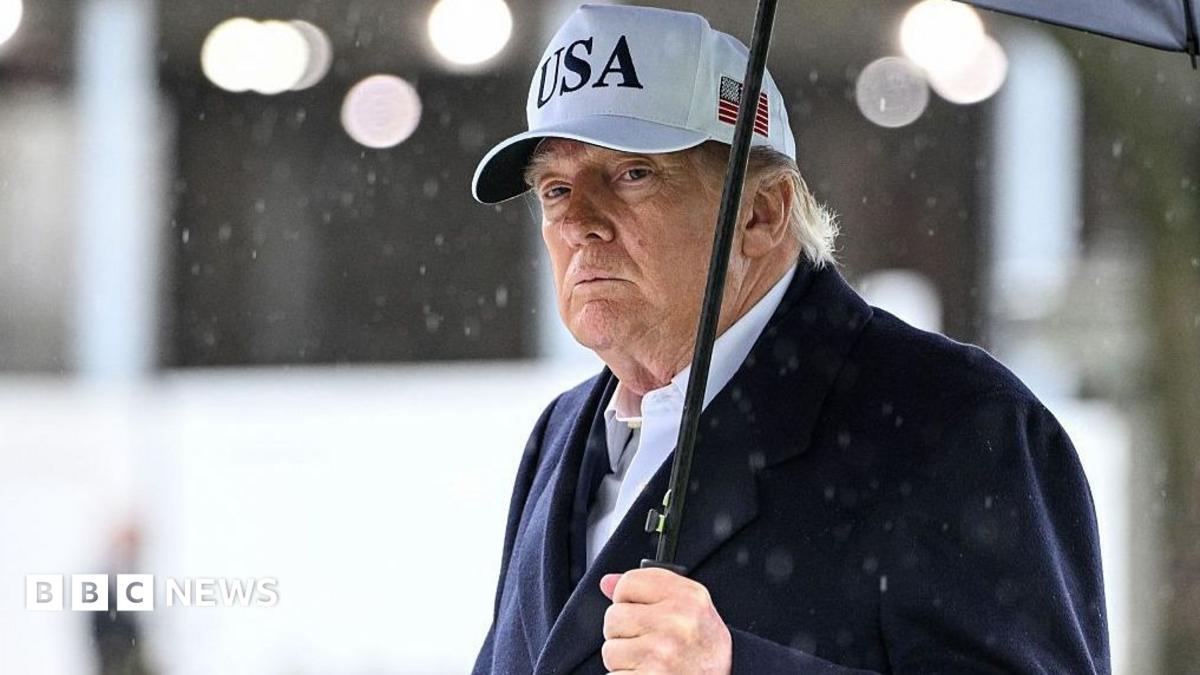
Amid the military escalation, US President Donald Trump announced a reversal of a previously planned 20% toll on cargo passing through the Strait of Hormuz, stating he would instead seek investment deals with Gulf states. This policy shift follows diplomatic pressure and contrasts with the ongoing military operations, highlighting the complex interplay between economic strategy and security objectives in the region.