Ugandan initiative pivots shea waste to clean energy amid deforestation crisis
Moyao Africa Initiative seeks machinery funding to scale operations and support 1,200 women in Alebtong District
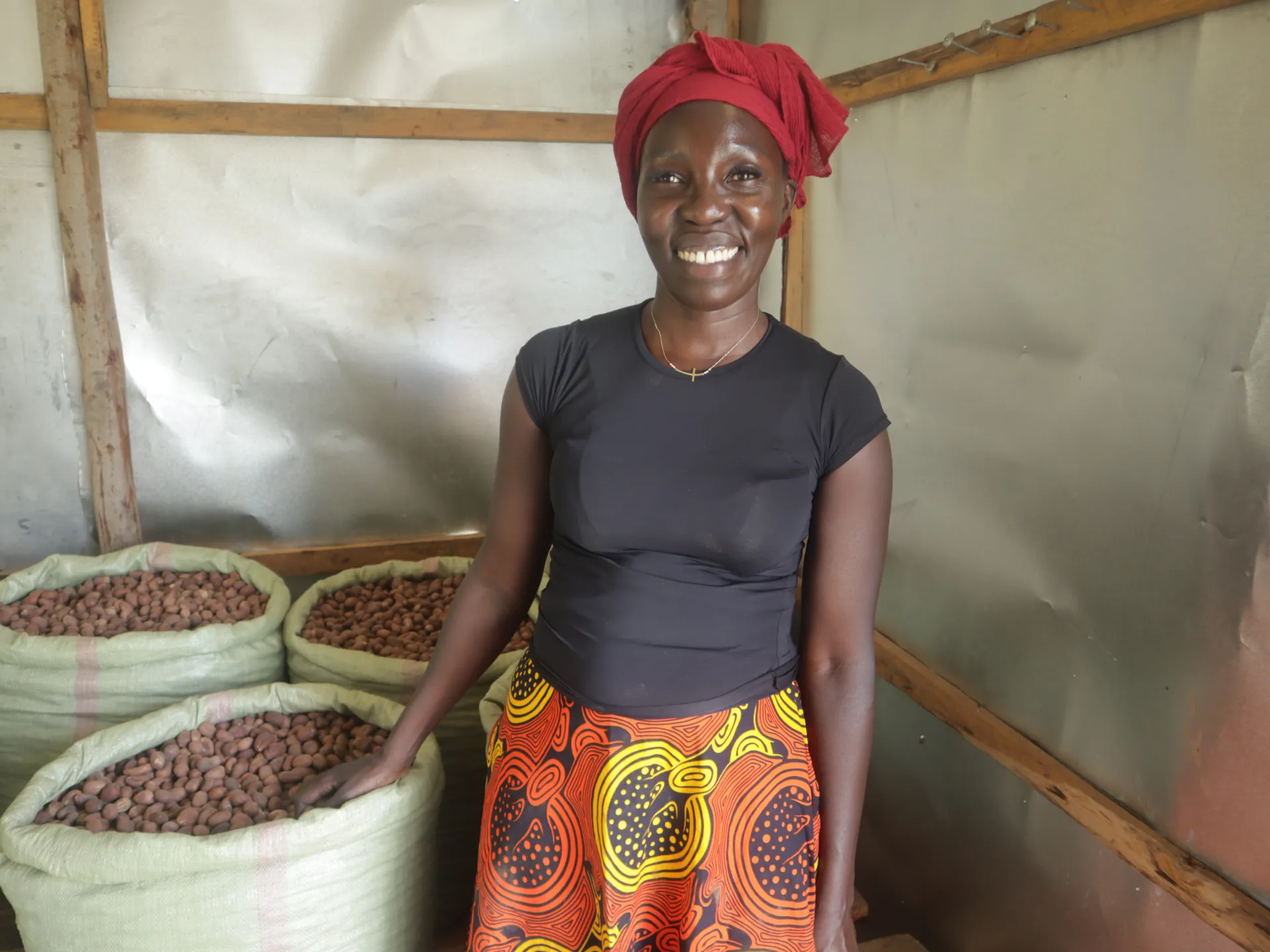
Lucy Everlyn Atim has established the Moyao Africa Initiative in Alebtong, Uganda, to address the rapid decline of indigenous shea trees by converting discarded husks into fuel briquettes. The social enterprise aims to provide an affordable, cleaner-burning alternative to charcoal, thereby reducing the cutting of indigenous shea trees (locally known as moyao) which are threatened by deforestation for fuel. The initiative employs six staff members and collaborates with over 1,200 women organised in savings groups to collect shea waste, produce briquettes, and process shea butter.
Production is currently constrained by the seasonal nature of the shea harvest, limiting the initiative's ability to meet growing demand for cooking fuel. Atim is seeking funding for machinery, including a carboniser, crusher, and briquette-making machine (estimated cost $530), to enable year-round production and increase shea butter output from 600 to 6,000 litres. This expansion is intended to generate more raw material for briquette production even when fresh harvests are unavailable.
The project also includes environmental education through clubs in 10 schools and partnerships with the National Agricultural Research Organisation (NARO) to distribute tree seedlings. The initiative operates in a region where Uganda loses an estimated 122,000 hectares of forest annually, largely due to charcoal production and logging. With approximately 90 percent of households relying on charcoal for cooking, indigenous species such as shea and Afzelia africana continue to disappear.
Research by Makerere University found that mature shea tree populations on fallow land fell from about 20 trees in 2008 to between 10 and 15 by 2017. Dr Patrick Byakagaba, an environmental researcher who led the study, noted that tracking the decline is difficult because charcoal producers often uproot entire trees, leaving no stumps behind to count. More data is needed to determine sapling survival and regeneration rates in northern Uganda.
Renewable energy expert Bosco Odyek stated that using a carboniser would produce cleaner-burning, smokeless briquettes that burn more efficiently than current methods. However, humanitarian and development expert Paul Mwirichia emphasised the need for government support for indigenous organisations like Atim’s, noting that they understand local problems and enjoy community trust, which is critical for successful implementation.