Trump administration seeks $67 billion boost for Iran conflict as costs near $110 billion
The cumulative price tag for military operations in Iran has reached nearly $110 billion, with the White House submitting a new funding request amid broader geopolitical shifts.
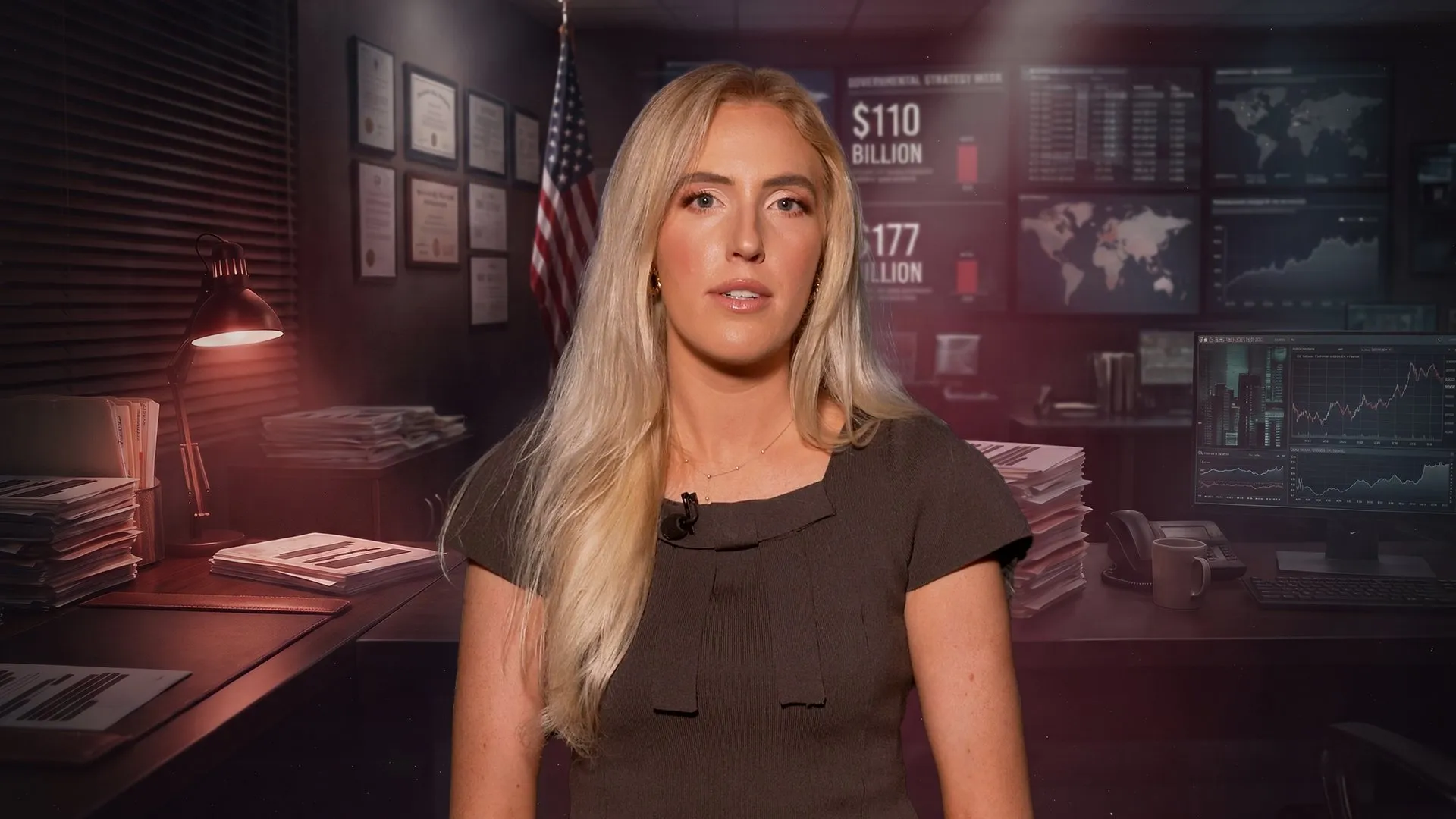
The Trump administration has formally requested an additional $67 billion in funding for military operations in Iran, a move that pushes the cumulative cost of the conflict to nearly $110 billion. The request, detailed by Al Jazeera Global News, underscores the escalating financial burden of the ongoing engagement as the White House seeks to sustain its strategic posture in the region.
This latest budgetary proposal arrives against a backdrop of significant diplomatic activity in Asia. US President Donald Trump is currently engaged in a two-day summit with Chinese President Xi Jinping in Beijing, marking the first visit by a US president to China since 2017. The agenda for the meeting is broad, encompassing trade relations, cooperation on artificial intelligence, and rising tensions in the Strait of Hormuz, a critical waterway adjacent to the conflict zone.
The financial request for Iran comes shortly after the Trump administration reimposed sweeping tariffs on 60 trade partners as previous global duties expired. This simultaneous pursuit of aggressive trade policy and increased military spending highlights the administration’s dual focus on economic leverage and security expenditures. The source material does not specify whether the $67 billion request has yet been approved by Congress or remains a proposal awaiting legislative scrutiny.
While the total expenditure of nearly $110 billion is attributed to the war on Iran, the source does not provide a precise breakdown of how these funds have been allocated. It remains unclear whether the costs are distributed between operational expenditures and equipment procurement, nor is the timeline for the initial $43 billion in spending detailed. The figure represents an approximation, and precise accounting may vary depending on how costs are categorised by the administration.
The timing of the budget request, coinciding with the Beijing summit, suggests a complex geopolitical landscape where military commitments and diplomatic negotiations are unfolding in parallel. The administration’s focus on the Strait of Hormuz tensions during the summit with President Xi indicates that the conflict in Iran is a central pillar of current US foreign policy discussions.