Trump administration moves to dismantle US Roadless Rule, opening 59 million acres to development
The proposed rollback of the 2001 regulation would remove prohibitions on road construction and logging across nearly 59 million acres of national forest, a move critics argue threatens water quality and wildlife habitats.
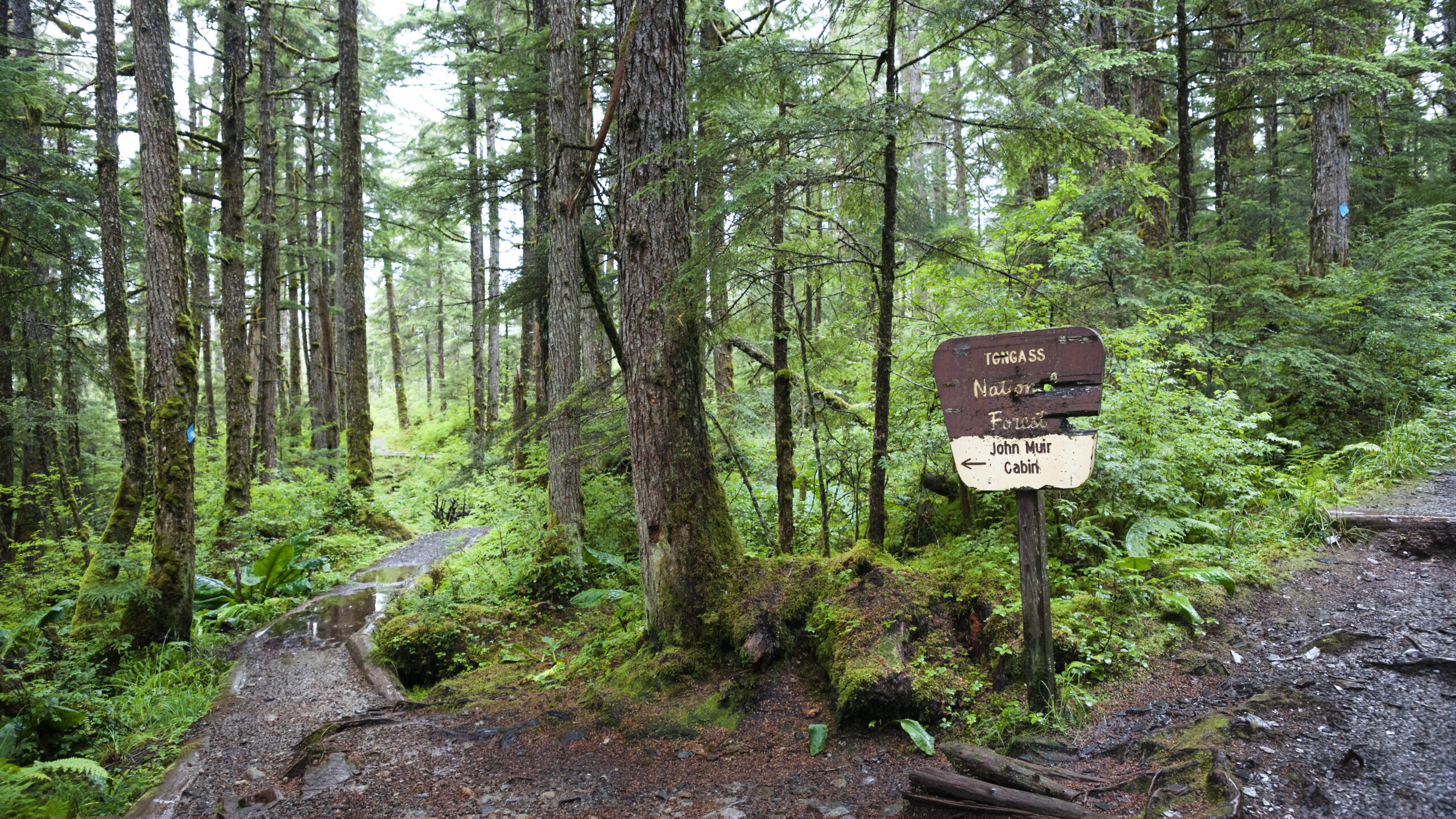
The Trump administration has proposed dismantling the 2001 Roadless Rule, a landmark regulation originally issued by President Bill Clinton that restricts road construction and commercial logging in inventoried roadless areas. The proposal, which is expected to be formalised in 2026, would remove prohibitions on development across nearly 59 million acres of national forest. The administration argues that the existing rule has slowed economic development, while opponents warn that the move threatens critical wildlife habitats and water quality in regions such as the Tongass National Forest in southeast Alaska.
The Roadless Rule currently applies to over 58 million acres across 38 states and Puerto Rico, excluding Idaho and Colorado, which maintain their own state-specific regulations. These inventoried roadless areas are among the most ecologically intact places in the United States, often serving as buffers for national parks and wilderness areas. The rule prohibits new road construction and commercial timber harvest, though it does not restrict compatible uses such as hiking, mountain biking, grazing, or working existing mining claims.
A 30-day public comment period will commence once the formal proposal is published in the Federal Register, with specific instructions for submitting feedback included in the document. Simultaneously, a separate congressional effort is underway to amend the Wildfire Prevention Act. If approved, this amendment would permanently remove the Roadless Rule and prevent the US Forest Service from reinstituting it in the future, effectively codifying the rollback into law.
Ecologists and conservationists note that roads can cause significant ecological harm by spreading invasive species, eroding sediments into streams, and fragmenting habitats. Road noise has been shown to displace wildlife and increase stress levels, while vehicle collisions directly kill and injure animals. Additionally, roads crossing streams often require culverts that are rarely designed to allow fish passage, leading to declines in aquatic populations and potential local extinctions.
The financial and environmental implications extend to water resources, as roadless areas protect watersheds that supply drinking water to 47 million Americans. The US Forest Service’s Watershed Condition Framework identifies road density as a key indicator of conditions that can disrupt water quantity and quality. Without these protections, the long-term health and hydrological sustainability of these watersheds could be compromised, potentially leading to higher costs for water purification.
The original 2001 rule received more public comments than any other in history, reflecting strong public support. A review by the Center for Western Priorities found that public comments submitted on the recent rescission notice overwhelmingly opposed rolling back the rules. The proposal now moves toward formalisation, with the outcome of the congressional amendment and the public comment period set to determine the final status of these protected lands.