Trump administration advances controversial nuclear pact with Saudi Arabia
The deal, which excludes requirements for the IAEA Additional Protocol and Israeli normalisation, faces immediate legislative scrutiny in Washington amid concerns over regional security and nuclear weapons proliferation.
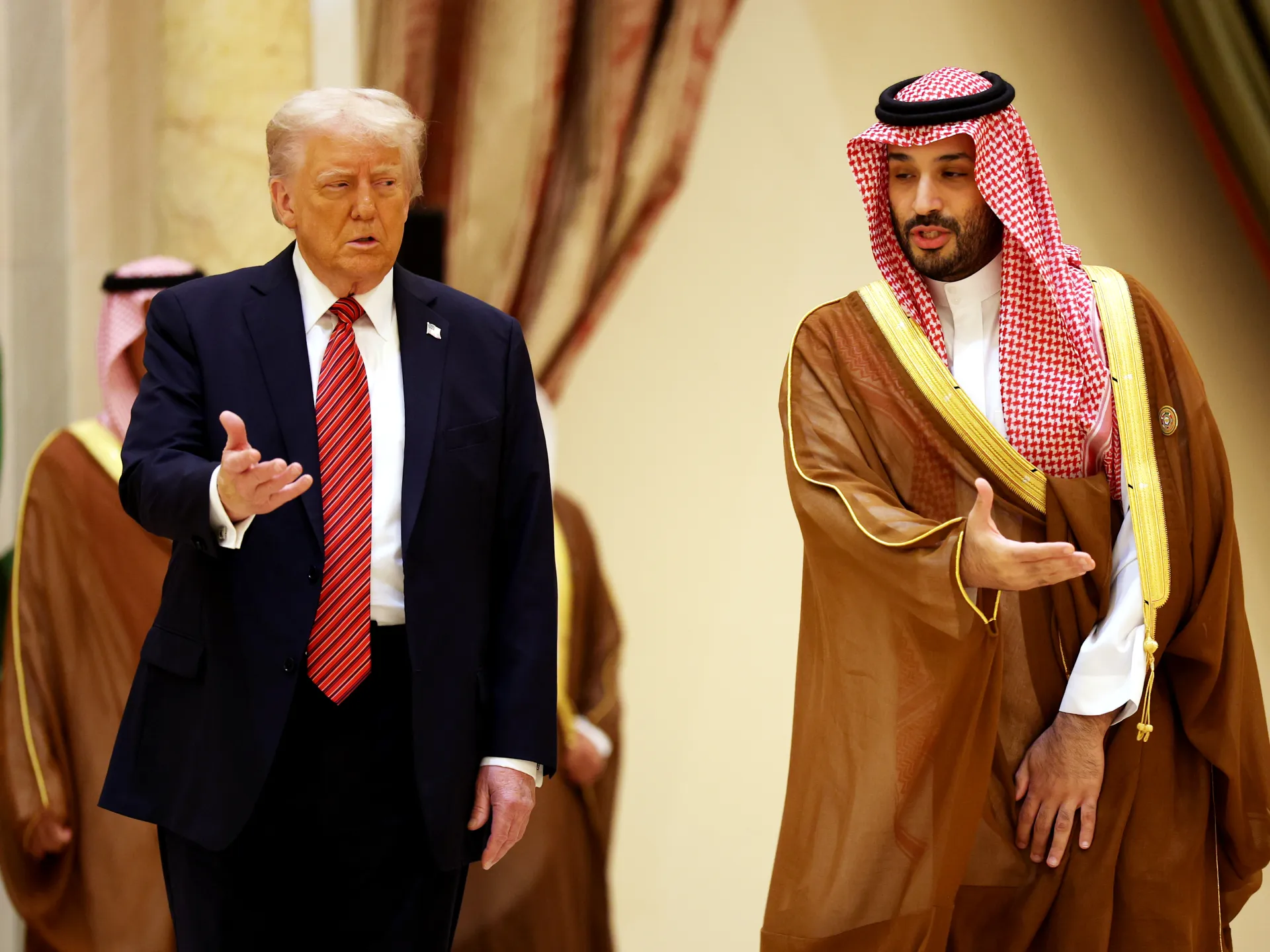
The Trump administration has approved a framework agreement with Saudi Arabia that permits the kingdom to develop a civilian nuclear programme, including the right to enrich uranium domestically. The proposed 30-year pact would allow US firms, such as Westinghouse, to assist in building Saudi Arabia’s nuclear infrastructure. The agreement marks a significant departure from previous US non-proliferation standards, as it reportedly does not require the International Atomic Energy Agency’s Additional Protocol and falls short of the "gold standard" set by the 2009 agreement with the United Arab Emirates.
The agreement must be submitted to the US Congress for approval, where it faces significant scrutiny from lawmakers and critics who argue it could weaken non-proliferation efforts. Media reports from the Wall Street Journal and The New York Times indicate that President Trump is expected to ask Congress to approve the pact, which removes the requirement for Saudi Arabia to normalise diplomatic ties with Israel—a condition previously sought by the Biden administration. Critics argue that allowing Saudi Arabia to enrich uranium could weaken the message of US military campaigns against Iran, particularly given Riyadh’s previous statements that it would seek nuclear weapons if Iran were to acquire them.
Michael Horowitz of the Foundation for Defense of Democracies described the agreement as "very consequential," noting that it falls below the standards accepted by other US partners. He highlighted that the deal does not include the Additional Protocol, which grants inspectors broader verification powers, and lacks the explicit prohibitions on enrichment and reprocessing found in the 2009 UAE agreement. Horowitz argued that the goal appears to be securing US support for a deal that does not fully exclude a pathway to a nuclear programme, with safeguards that are purely bilateral and dependent on the state of US-Saudi relations.
Supporters, including the Trump administration, argue that the deal strengthens US influence in the Gulf and prevents strategic competitors from gaining influence in the kingdom. In a report submitted to Congress earlier this year, the administration argued that expanding civilian nuclear cooperation would help maintain US leadership in the global nuclear industry while addressing Saudi Arabia’s growing electricity demand. The administration contends that nuclear energy is an increasingly important part of the kingdom’s long-term energy strategy, despite its vast oil resources.
Any US nuclear cooperation agreement must be submitted to Congress, which has the power to block such "123 agreements" with a two-thirds majority vote, overriding any presidential veto. Andrea Stricker, deputy director of the Foundation for Defense of Democracies’ Nonproliferation Program, urged Congress to block the proposed agreement, warning that it could set negative precedents for other states and fail to contain the spread of enrichment. The proposal is expected to face intense scrutiny from lawmakers in both parties over the safeguards governing Saudi uranium enrichment.